
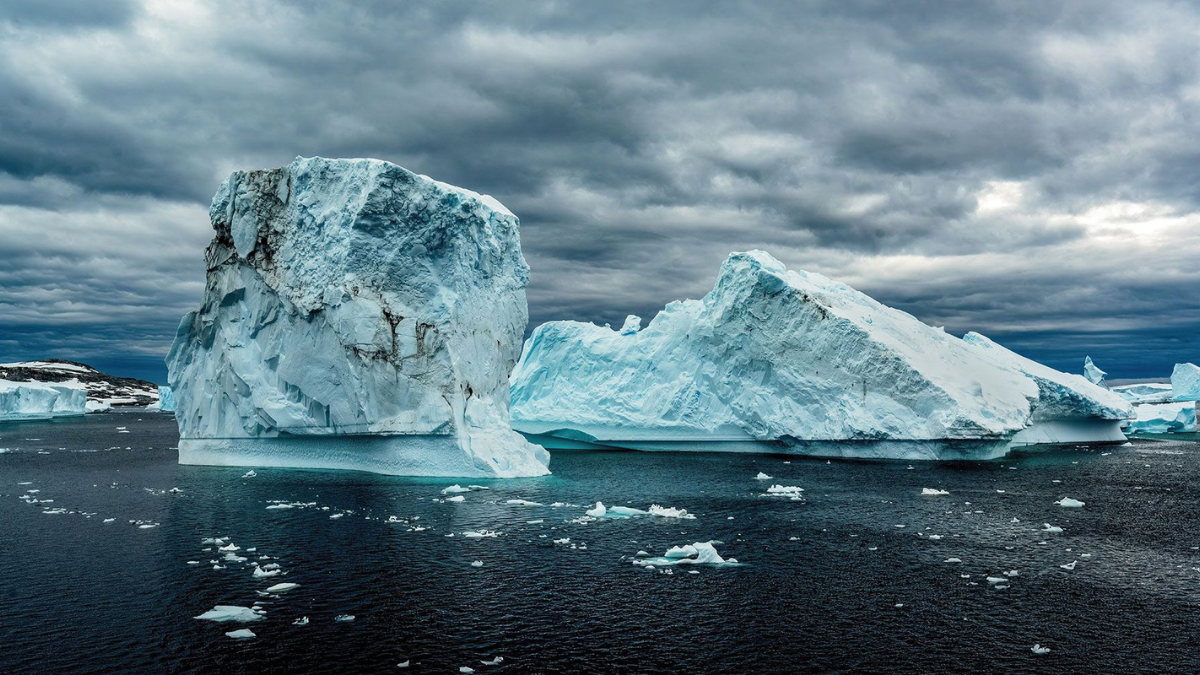
Most Antarctic voyages work the western side of the Peninsula, where the channels are sheltered, the landings are reliable, and the ice behaves itself. The Weddell Sea is the other direction, and it’s a different proposition entirely.
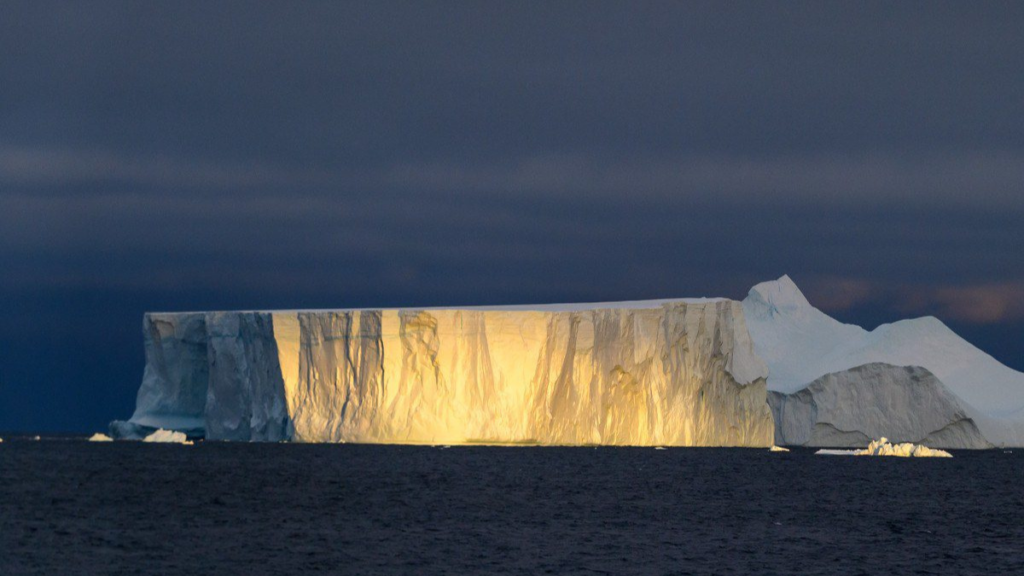
This is where Shackleton lost the Endurance. Where tabular icebergs the size of towns calve off the ice shelf and sit in the water like floating cliffs. Where the emperor penguin colony at Snow Hill Island sits on sea ice that may or may not let you anywhere near it, depending entirely on a season’s worth of weather you had no say in.
This Weddell Sea expedition guide covers what’s out there, why reaching it is so difficult, and what you’re realistically signing up for.
Understanding the Weddell Sea
The Weddell Sea sits on the eastern side of the Antarctic Peninsula, a vast embayment extending south toward the Filchner-Ronne Ice Shelf — one of the largest floating ice shelves on the planet.
What makes it so distinct is the ice. A clockwise current known as the Weddell Gyre circulates sea ice around the basin and holds it there, so instead of ice that breaks up and clears through the summer, you get ice that accumulates, compacts and persists. Some of it is multi-year ice, having survived several summers rather than forming fresh each winter.
This is why the Weddell has a reputation that sits apart from the rest of Antarctica. It’s not simply further south or colder. It’s structurally harder to get into, and it stays that way.
The ice shelf at its southern end also produces the tabular icebergs the region is known for — not the sculptural, irregular bergs you see around the Peninsula, but flat-topped slabs with vertical sides, calved straight off the shelf edge. Some are miles across. Sailing beside one is genuinely disorienting, because there’s nothing to compare it to.
Shackleton and the Endurance
You can’t write about the Weddell Sea without the Endurance, because the two are permanently linked.
In 1915, Ernest Shackleton’s Imperial Trans-Antarctic Expedition entered the Weddell Sea intending to land and cross the continent on foot. The ship never reached shore. The pack ice closed around her and held, and over ten months the Weddell Gyre carried the trapped Endurance slowly north while the ice crushed her hull. She sank in November 1915.
What followed is one of the great survival stories: months camped on drifting floes, an open-boat journey to Elephant Island, then Shackleton and five companions crossing 800 miles of the Southern Ocean in a lifeboat to South Georgia, followed by an unmapped overland crossing of the island’s interior to reach the whaling station at Stromness. Every member of the expedition survived.
The wreck of the Endurance was located on the Weddell seabed in 2022, almost exactly where the expedition’s navigator had recorded her going down, preserved in near-perfect condition by the cold.
Standing on a modern ship in the same water, with heating, hot food and a satellite forecast, gives that story a weight it doesn’t have in a book.
Why Access Is Never Guaranteed
This is the part that matters most if you’re considering a Weddell voyage, and it needs saying plainly: no operator can promise you’ll get in.
The ice decides. Conditions vary enormously between seasons and even within a single week, and a route that was open on one voyage can be impassable on the next. Ships with high ice classifications can work further into it than most vessels, but ice class determines what a ship can handle, not what it can get through. Thick, compacted multi-year ice stops anything short of a dedicated icebreaker, and sometimes even those.
Expedition teams make these calls daily, reading satellite ice charts, forecasts and what’s actually in front of them. A good captain will turn back from a route that looks marginal, and that’s exactly the judgment you want them exercising.
What this means practically: if you book a Weddell itinerary, book it understanding that the itinerary is an intention rather than a guarantee. Operators build in alternatives, and you’ll still have an excellent Antarctic voyage. But if you’re going specifically for one thing and would be genuinely crushed not to see it, go in with that expectation managed.
Emperor Penguins at Snow Hill Island
For most travelers, this is the reason to come east.
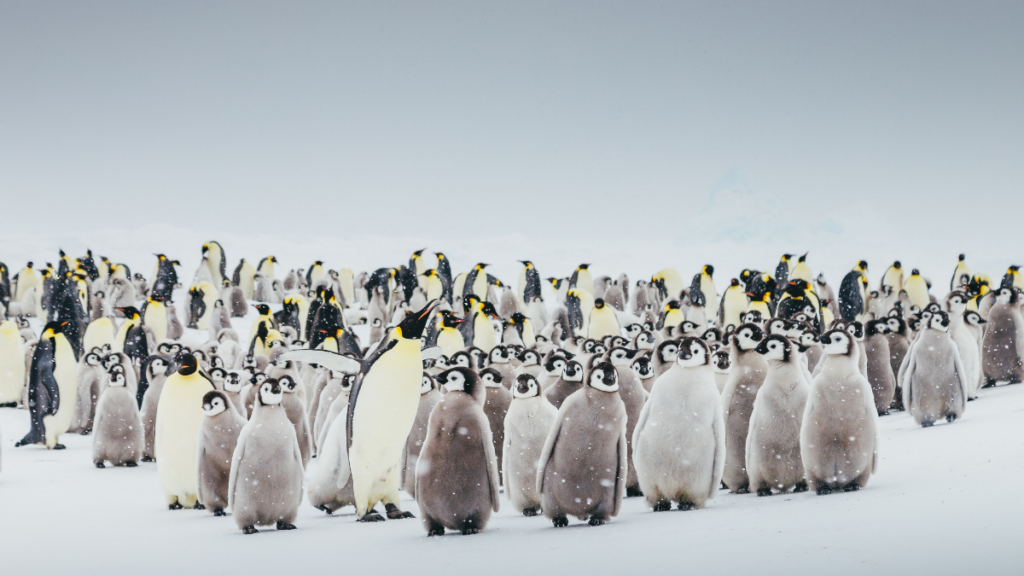
Snow Hill Island holds a colony of roughly 4,000 breeding emperor pairs, and it’s the most reliably accessible emperor colony anywhere — which tells you something about how accessible the others are. It’s also the most northerly emperor breeding site on the continent, which is precisely why it’s reachable at all.
The logistics are unusual. The colony sits on sea ice off the island’s south coast, and ships can only push so far before the ice stops them. From there it’s helicopters — flying guests from the vessel to wherever the ice permits a landing, then walking up to a kilometre across sea ice to reach the colony, stopping at a distance that doesn’t disturb the birds.
This is why only a handful of operators run these voyages. You need helicopter capability aboard, the ice to cooperate, and the weather to allow flying that day. All three have to align, and they don’t always.
Our dedicated emperor penguin guide covers which operators run Snow Hill expeditions, what they cost, and how far ahead to book.
Other Wildlife in the Weddell
Emperors are the headline, but they’re not the only reason to come.
Adélie penguins breed in enormous numbers on the Weddell’s western fringes, with Paulet Island hosting one of the region’s largest colonies.
Weddell seals — named for this sea — are the species hardy enough to stay through the Antarctic winter, maintaining breathing holes in the sea ice through months of darkness. You’re more likely to see them here than on standard Peninsula routes.
Orcas work the pack-ice edges, including ecotypes that specialise in hunting seals off floes. Watching that unfold is sobering and extraordinary in equal measure.
Snow petrels are common here too, almost entirely white, and strikingly beautiful against dark water and ice.
Our wildlife calendar covers the full month-by-month picture across the season.
When to Go
Weddell Sea itineraries run earlier than standard Antarctic voyages — primarily November and December.
That timing is driven by the emperors. The chicks need to be old enough to be visible and active at the colony, while the sea ice still needs to be intact enough to hold a helicopter landing and solid enough to walk on. That window is narrow, and it sits well before the January and February peak that suits most other Antarctic wildlife.
It’s one of the clearest examples in Antarctic travel of the wildlife setting the schedule rather than the other way round.
Which Ships Make the Journey
Not many, and the limitation is capability rather than willingness.
A Weddell voyage wants a high ice classification, an experienced ice captain, and — for Snow Hill specifically — helicopters aboard. That combination exists on only a few vessels, and demand for those departures is high enough that slots typically go 12 to 18 months ahead.
Our guide to choosing the right ship covers how these extreme-expedition vessels differ from standard Peninsula ships, and what you gain and give up in choosing one.
Weddell Sea Expedition at a Glance
| Consideration | Detail |
| Location | Eastern side of the Antarctic Peninsula, toward the Filchner-Ronne Ice Shelf |
| Defining feature | Persistent, compacted pack ice held by the Weddell Gyre |
| Signature wildlife | Emperor penguins, Adélie penguins, Weddell seals, orcas |
| Primary emperor colony | Snow Hill Island (~4,000 breeding pairs) |
| Access method | High ice-class ship, then helicopter, then walk across sea ice |
| Best months | November–December |
| Historical significance | Site of the Endurance sinking, 1915 |
| Access guaranteed? | No — entirely dependent on ice and weather |
Ready to Consider a Weddell Sea Expedition?
The Weddell asks more of you than a standard Antarctic voyage. It costs more, books further ahead, runs at an awkward time of year, and may not let you in at all.
What it offers in return is the most remote stretch of an already remote continent, emperor penguins almost nobody sees, icebergs on a scale that resets your sense of proportion, and the water that nearly finished Shackleton.
If you’d like to talk through which voyages are running, what’s realistically achievable, and whether this is the right trip for you, get in touch — we’ll be straight with you about what the ice might or might not allow.