
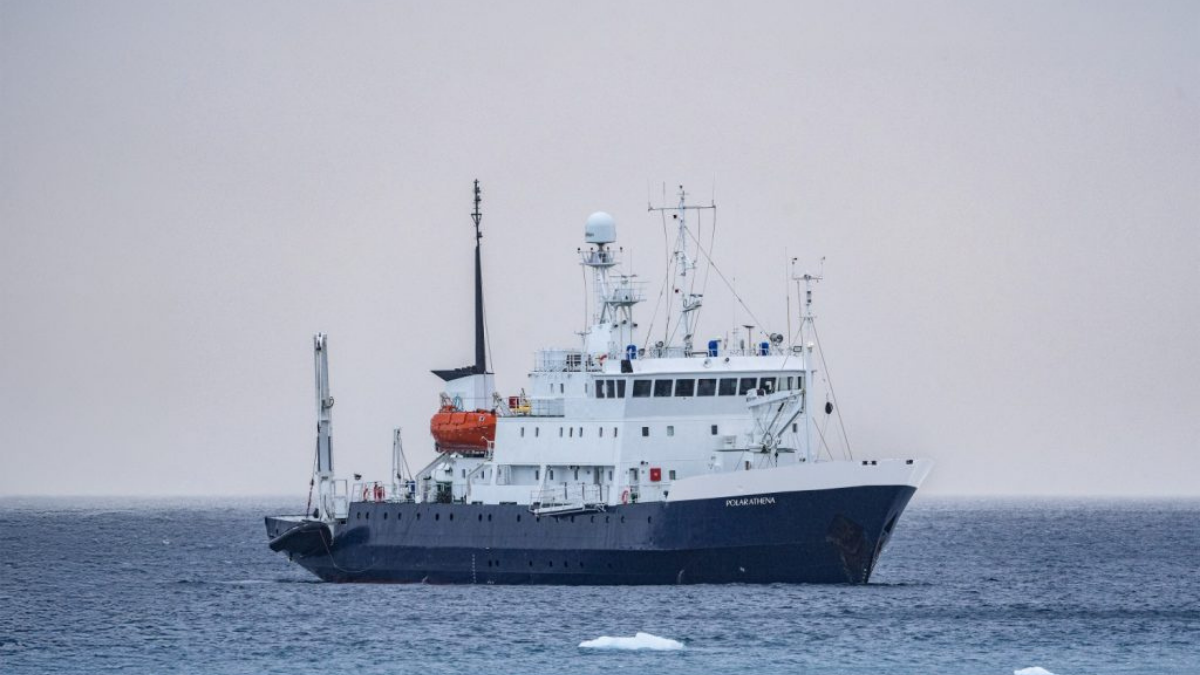
A micro-cruise Antarctica expedition carries 12-40 guests, which sounds like a small detail until you’re on one. Then it becomes the whole thing.
Here’s what it actually changes: when someone spots something, the ship goes and looks. No rotations, no waiting your turn, no schedule to defend. Everyone goes ashore at once because everyone fits. By day three you know every name aboard, including the crew’s.
It isn’t the right trip for everyone, and it costs more. But for a certain kind of traveler it’s the only version worth doing.
What Counts as a Micro-Cruise
The category covers vessels carrying roughly 12 to 40 guests — substantially smaller than even the compact expedition ships, which typically run under 130.
These are often converted yachts, purpose-built small expedition vessels, or ice-strengthened sailing ships. Several carry fewer than 20 passengers. Cabins are comfortable rather than lavish, public spaces are intimate by necessity, and the whole vessel is built around spending your time outside rather than in.
Our fleet pages cover the specific micro vessels we work with and what distinguishes each one.
What Intimacy at This Scale Actually Means
Three things change materially at this size, and they compound.
Landing time. Antarctic regulations cap shore parties at 100 people per site at any one time. A ship carrying 20 guests never comes close to that limit, so everyone lands together and stays as long as conditions allow. On a 200-passenger vessel, the same site means staggered groups and a shorter window each.
Spontaneity. A micro vessel can change its mind. Spot orcas working a pack ice edge and the ship diverts, because turning 20 people around takes minutes rather than a planning meeting. Larger ships run to a plan for sound logistical reasons. Small ones can follow the day where it goes.
The group itself. With 20 people aboard, you’re not a passenger; you’re part of a crew. You eat with the expedition team, the guides learn what you’re interested in, and dinner conversations continue for the rest of the voyage. Some travelers love this. Others find it slightly intense — worth knowing which you are.
The Price Premium
Micro-cruises cost more per person than larger expedition vessels, and the reason is arithmetic, not luxury.
Running a ship to Antarctica carries largely fixed costs: fuel, crew, insurance, port fees, expedition staff. Spread those across 200 passengers and the per-head figure looks very different than across 20. Add the high guide-to-guest ratios these vessels maintain and the premium is structural.
What you’re buying is access and flexibility rather than onboard opulence. Cabins on a micro vessel are often simpler than on a premium ship and cost less. If you want a balcony and a spa, this isn’t the category.
Our cost guide breaks down how the tiers compare across the whole market.
Who Micro-Cruising Suits
This is the strongest case. More Zodiac time, fewer people competing at the rail, and a ship that will hold position while you work a shot rather than moving on to stay on schedule. Access to restricted sites matters here too.
Small ships are considerably easier to travel alone on, because the group forms properly rather than fragmenting into couples. Single supplements still apply on most vessels, so check the policy before booking — our solo traveler page covers the options.
3. Flexibility seekers
Anyone who’d rather chase whatever the day offers than tick off a predetermined itinerary. If the phrase “we’re changing course” excites rather than unsettles you, this is your category.
4. Repeat polar travelers
Plenty of people do a standard Peninsula voyage first, then come back wanting the version with fewer people in it.
Who It Doesn’t Suit
Worth being straight about this.
If you want comfort, space, multiple dining options and the ability to disappear from the group when you’ve had enough of everyone, a premium or luxury vessel will serve you far better.
If you’re prone to seasickness, smaller vessels move more. Stabilizers help less at this scale, and the Drake is the Drake.
And if the budget is tight, a standard expedition ship delivers the same continent, the same penguins and the same whales for meaningfully less. You’ll just share it.
Micro-Cruise Antarctica at a Glance
| Consideration | Detail |
| Guest capacity | 12–40, often under 20 |
| Landing experience | Everyone ashore at once, no rotations |
| Itinerary flexibility | High — ships can divert for wildlife |
| Cabin style | Comfortable and functional, rarely luxurious |
| Price position | Premium, driven by low passenger numbers |
| Best suited to | Photographers, solo travelers, repeat polar travelers |
| Less suited to | Those wanting space, amenities or a steadier crossing |
Is a Micro-Cruise Right for You?
The honest test is what you’d want on the best day of the trip. If it’s a glass of something good on a balcony watching an iceberg go past, book a premium ship and enjoy it properly. If it’s standing in a Zodiac three meters from a leopard seal with four other people and no one in a hurry to leave, this is your category.
Our guide to choosing the right ship covers how micro vessels compare against every other option, and our fleet pages have the specific vessels.
Ready to Look at Micro-Cruise Options?
Micro-cruises aren’t the obvious choice, and they aren’t the cheapest, but the people who choose them rarely go back.
If you’d like to talk through which vessels are running, what they cost, and whether this is genuinely the right fit for your trip, get in touch — we’ll give you an honest answer either way.