
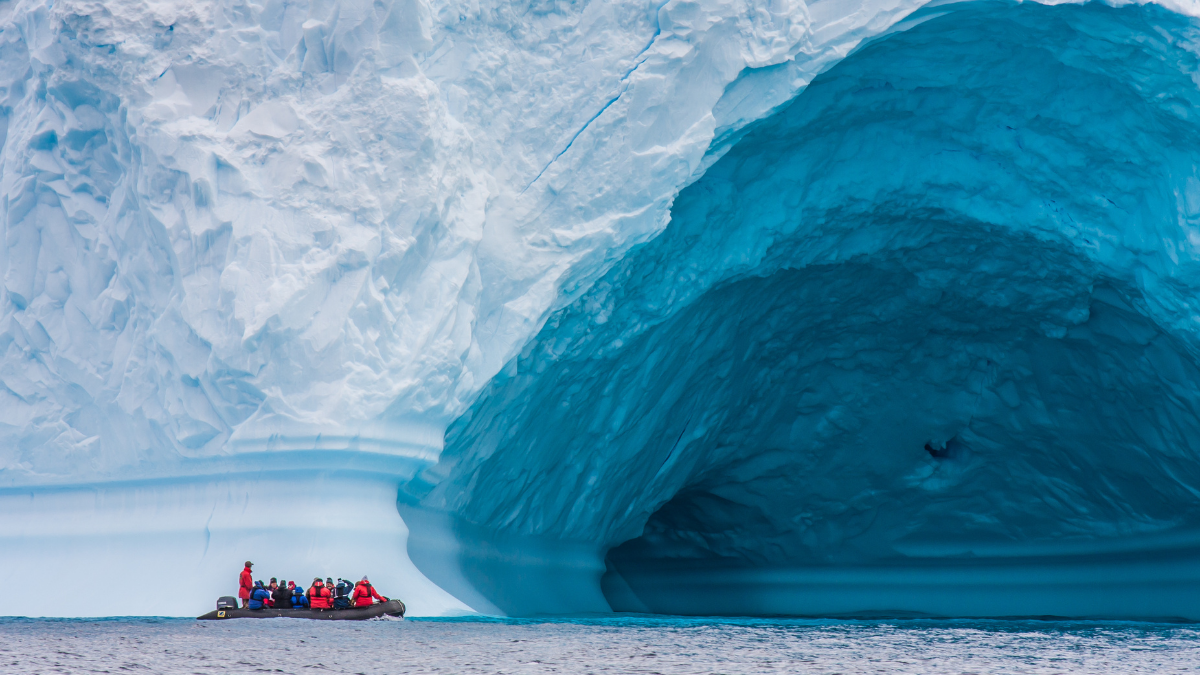
When people picture Antarctica — towering icebergs, penguin colonies spread across rocky shores, a whale surfacing beside a Zodiac — they’re almost always picturing the Peninsula. It’s the closest point of the continent to South America, reachable in as little as two days’ sailing from Ushuaia, and it packs an extraordinary concentration of wildlife, dramatic scenery, and historic sites into a relatively compact region.
It’s where most first-time voyagers go, and for good reason. This guide covers everything you need to know before visiting the Peninsula — its geography, the landing sites that define the experience, what wildlife to expect by season, and how to choose the right ship for your trip.
Understanding the Peninsula’s Geography
The Antarctic Peninsula is a long, mountainous arm of the continent that curves north toward South America, separated from it by the Drake Passage. This geography is what makes the Peninsula so accessible compared to the rest of Antarctica—most other regions require much longer sailing times or specialized ice-class vessels to reach at all.
The Peninsula is typically explored via the Gerlache Strait and surrounding channels on its western side, an area sheltered enough to allow calmer sailing and frequent Zodiac landings, while still delivering the towering glaciers and iceberg-choked waters that define the region. Most standard Antarctic voyages focus here, while itineraries that add the Weddell Sea or cross the Antarctic Circle push further into more remote, ice-dependent territory.
The Peninsula’s Essential Landing Sites
Lemaire Channel
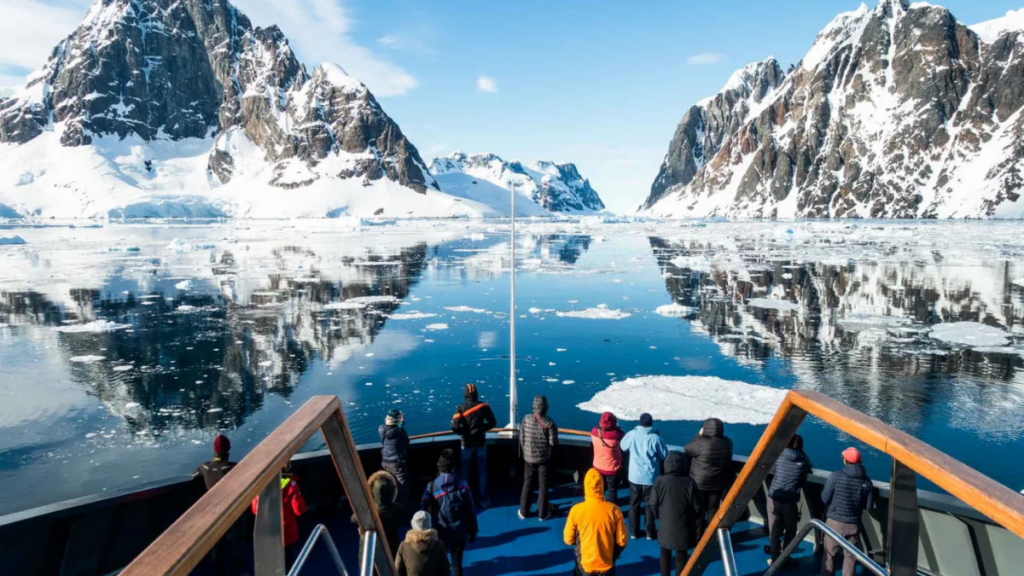
Narrow, steep-sided, and regularly called the most beautiful stretch of water in Antarctica. The channel runs between Booth Island and the mainland, and when the ice lets you through, the ship threads between sheer cliffs with barely any room to spare. People stop talking. Seals turn up on the floes, minke whales come through occasionally, and almost everyone ends up on deck regardless of the temperature.
Worth knowing: the ice doesn’t always let you through. It’s one of the sites most frequently closed by conditions, which only adds to the occasion when it works.
Paradise Bay
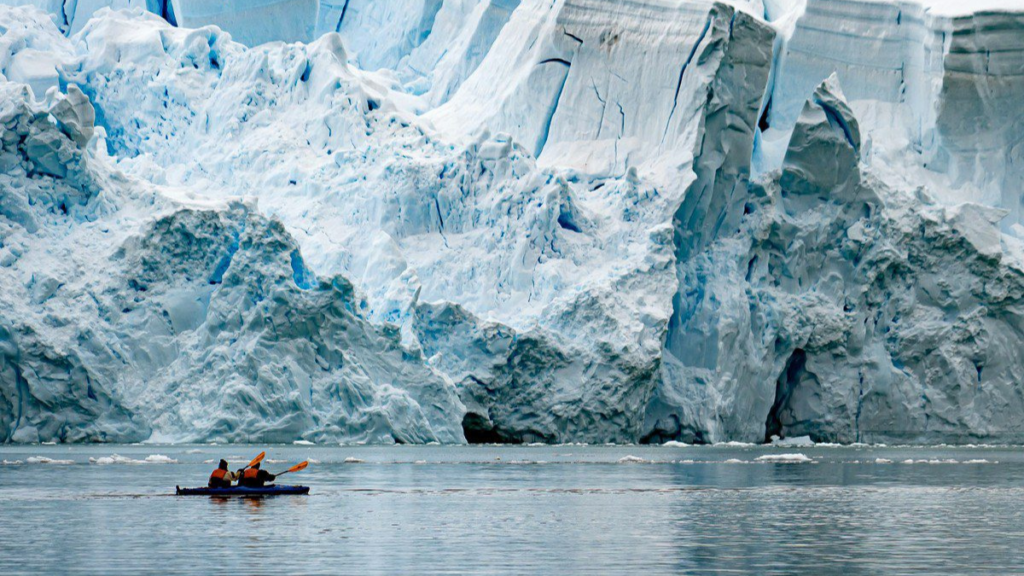
Paradise Bay earns the name. One of the Peninsula’s most sheltered anchorages, with water calm enough to mirror the mountains around it on a good day. The Argentine Almirante Brown station sits here, partly burned down in 1984 and still standing as a point of interest, with Danco Island nearby on the Danco Glacier.
The calm water makes this a favorite for Zodiac cruising and kayaking on itineraries that offer it.
Deception Island
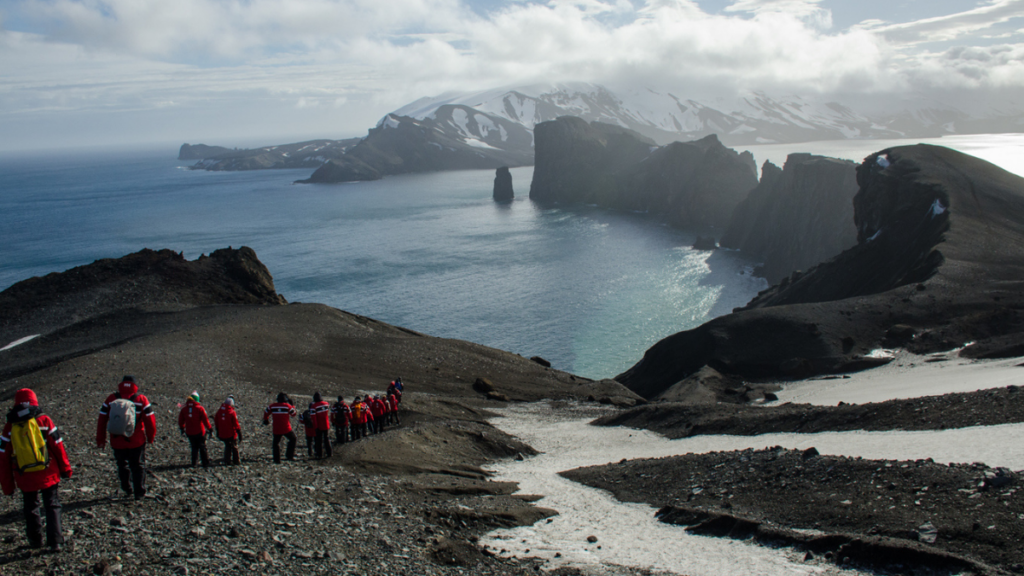
Geologically, nowhere else on the Peninsula comes close. Deception is an active volcano whose flooded caldera forms a natural harbor, and ships sail directly into it through a narrow gap called Neptune’s Bellows — which is exactly as dramatic as it sounds.
Inside: black volcanic sand beaches that steam in places, the ruins of an abandoned whaling station, and geothermally warmed water shallow enough in spots to wade into. It looks nothing like the rest of Antarctica, which is precisely why people remember it.
Cuverville Island
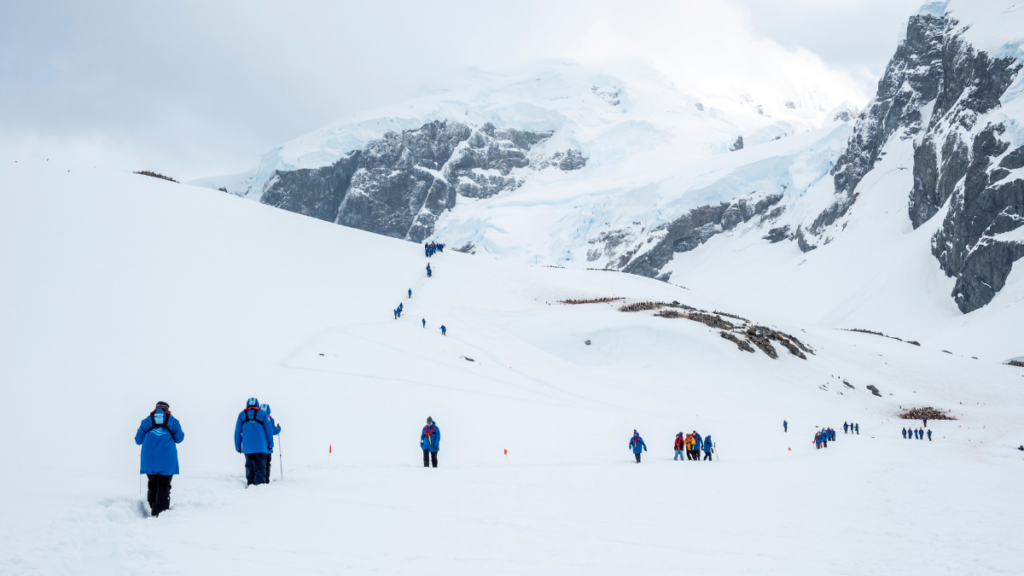
Cuverville Island supports a substantial gentoo penguin colony, along with breeding south polar and brown skuas and nesting Wilson’s storm-petrels. Its position near the Gerlache Strait makes it a common early stop on many standard itineraries, and it’s often one of the first true wildlife landings of a voyage.
Port Lockroy and Wiencke Island
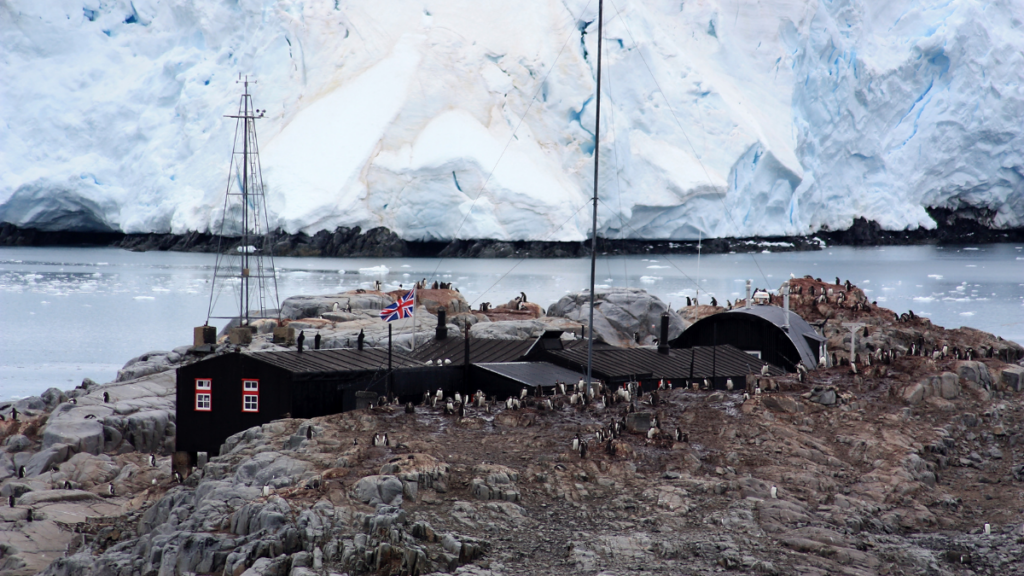
Approached through the Neumayer Channel, dramatic in its own right, Port Lockroy sits at the foot of Wiencke Island, with a large, busy gentoo rookery and a small population of nesting blue-eyed shags.
It’s also a former British research station, now preserved as a historic site and — genuinely — a working post office. You can send a postcard from Antarctica. It will take months. Everyone does it anyway.
Hope Bay and Paulet Island
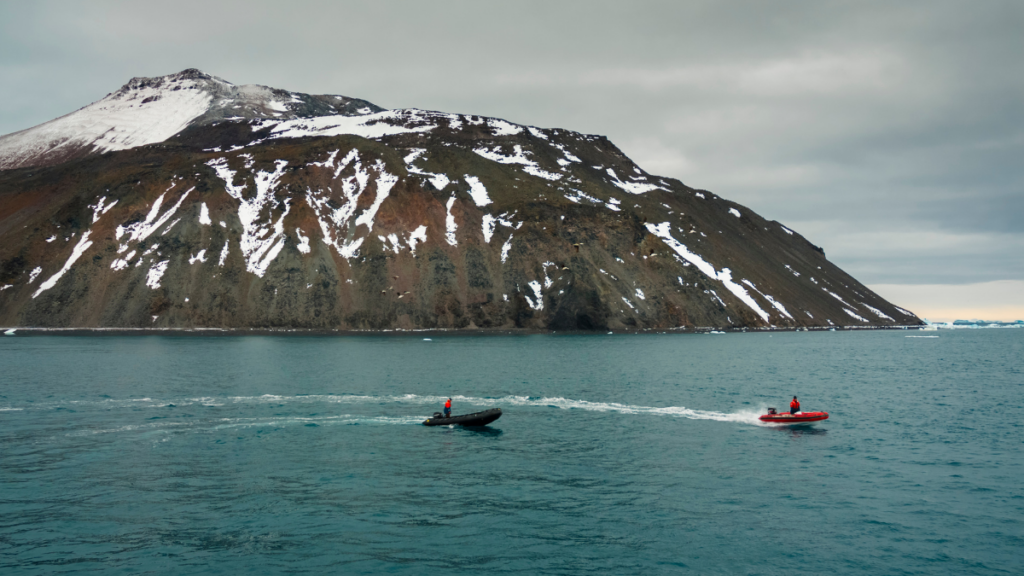
At the northeastern tip, Hope Bay is reached through the Antarctic Sound, which is known for tabular icebergs on a scale that resets your sense of proportion. Argentina’s Esperanza station is here, alongside a vast Adélie colony and the stone hut ruins where three men from Otto Nordenskjöld’s Swedish expedition survived the winter of 1903.
Paulet Island nearby holds enormous numbers of breeding Adélies and a large colony of blue-eyed shags, plus further remains connected to that same 1903 expedition. Standing beside them, having arrived on a ship with heating and hot food, is a fairly sobering experience.
Pleneau, Hovgaard, and Petermann Islands
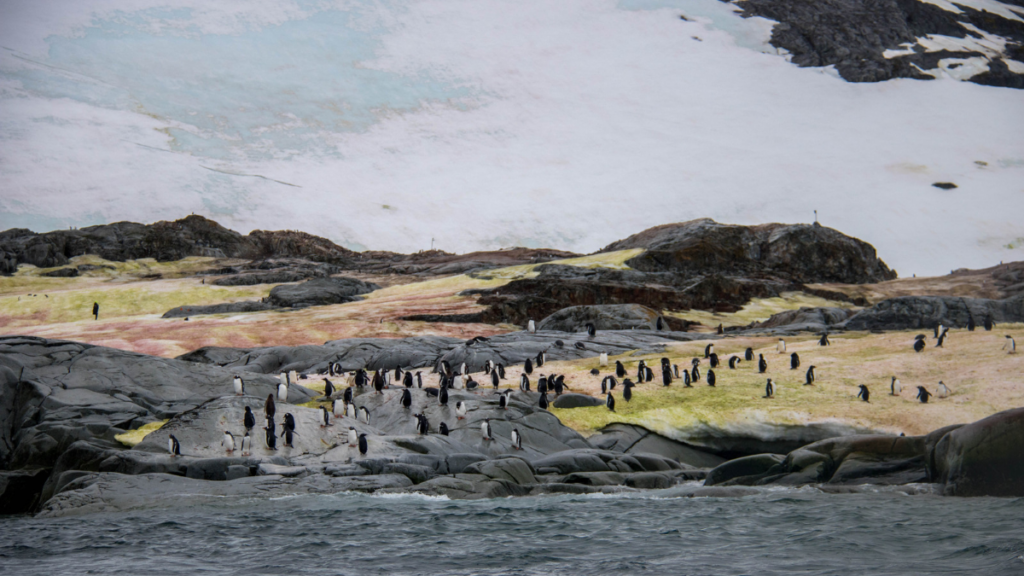
South of the Lemaire, this cluster is known for penguin colonies and elephant seals sprawled across flat rocks in summer, doing very little with great commitment. Petermann Island holds the southernmost breeding gentoo colony anywhere, which makes it a notable stop for anyone tracking species distribution.
Wildlife by Season on the Peninsula
Wildlife on the Peninsula follows the same tight seasonal rhythm as the rest of Antarctica, with each stretch of the November-to-March season offering something different.
November brings the first arrivals — penguins returning to build nests, seals hauling out to bask, and migratory seabirds returning to breeding grounds after winter.
December sees the season’s first hatchings, with gentoo, chinstrap, and Adélie penguin chicks appearing across Peninsula colonies, alongside growing numbers of humpback whales drawn south by the krill bloom.
January and February mark peak wildlife activity, with chicks growing rapidly, whale sightings at their most frequent, and leopard seals actively hunting around penguin colonies.
By March, chicks are fledging and testing their swimming skills for the first time, while whale sightings remain strong before the season winds down.
Best Time to Visit the Antarctic Peninsula
Because the Peninsula sees the highest concentration of both wildlife and visiting ships in Antarctica, timing your visit depends heavily on what you want to prioritize.
Early season (November) offers pristine, untouched landing sites and lower crowds; peak season (December through February) delivers maximum wildlife activity and the best whale watching; and late season (March) offers dramatic light and thinning crowds as the year winds down.
Choosing the Right Ship for a Peninsula Voyage
Because the Peninsula is the most accessible and heavily visited part of Antarctica, it’s also where you’ll find the widest range of ship categories and itinerary lengths — everything from compact expedition ships to full luxury vessels regularly sail this route.
Smaller expedition ships tend to offer more landing site access and flexibility, since many of the Peninsula’s most spectacular sites — including several covered above — are restricted to vessels carrying under 100 or 200 guests, depending on the site.
Larger, more comfort-focused ships still visit the Peninsula regularly, but may experience landings in staggered groups rather than everyone going ashore together.
If flexibility and maximum access to landing sites matter most, a smaller expedition ship is generally the better fit for a Peninsula-focused itinerary; if onboard comfort and amenities are the priority, a premium or luxury vessel can still deliver a genuinely excellent Peninsula experience. Our guide on choosing the right expedition ship can help you decide.
Antarctic Peninsula at a Glance
| Landing Site | Known For |
| Lemaire Channel | Dramatic scenery, seals, minke whales |
| Paradise Bay | Sheltered anchorage, historic station, kayaking |
| Deception Island | Active volcano, whaling ruins, geothermal beaches |
| Cuverville Island | Gentoo penguin colony |
| Port Lockroy | Historic station, gentoo rookery |
| Hope Bay / Paulet Island | Adélie penguins, 1903 expedition history |
| Pleneau / Hovgaard / Petermann | Elephant seals, southernmost gentoo colony |
Ready to Plan Your Antarctic Peninsula Expedition?
The Antarctic Peninsula packs more accessible wildlife, dramatic scenery, and history into one region than almost anywhere else on the continent, which is exactly why it’s the starting point for most first-time Antarctic travelers.
If you’d like help choosing the right itinerary, ship, or timing for your own Peninsula voyage, get in touch with us — we’ve sailed this coastline many times and are always happy to help you plan the trip that’s right for you.