
Choosing the right Antarctica cruise ship is one of the most important decisions you’ll make when planning your expedition — arguably more important than most travelers realize. The ship you choose shapes everything: your comfort level, how close you get to wildlife, how flexible your itinerary can be, and how deeply you engage with the landscape and spirit of exploration itself. Many travelers search for the best ship for Antarctica or wonder what ship is right for polar travel, but the honest answer depends entirely on the experience you actually want.
At Antarctica Travels, we work with a carefully curated portfolio of vessels — from intimate micro-expedition ships to ultra-luxury polar vessels — which makes it easier to navigate what can otherwise feel like an overwhelming number of choices.
Choosing well isn’t about finding the “best” ship. It’s about being honest with yourself about what you actually want from your expedition. This guide breaks down the main types of expedition ships, what each one offers, what’s typically included, and the practical details — like single supplement policies — that often get overlooked until it’s time to book.
Start With Ship Size
Ship size is usually the biggest factor in how your Antarctica expedition will feel, because it determines everything from how close you can get to wildlife to how many other passengers you’ll share landings with.
Smaller ships can access more official landing sites in Antarctica — many of the most spectacular locations are limited to vessels with under 200, or even under 100, guests by international agreement, since the region’s fragile ecosystems can only support small groups ashore at any one time.
Larger ships offer more stability, more onboard amenities, and often a smoother ride, but landings happen in rotation, with groups going ashore at staggered times rather than everyone stepping off together. Ships carrying more than 500 passengers are often referred to as “panoramic” or “scenic” cruises, as they are not permitted to land passengers or operate Zodiac excursions.
There’s no universally “right” size — it’s a genuine trade-off between intimacy and access on one side, and comfort and amenities on the other.
Expedition Cruising (Under 130 Guests)
Adventure first. Exploration always.
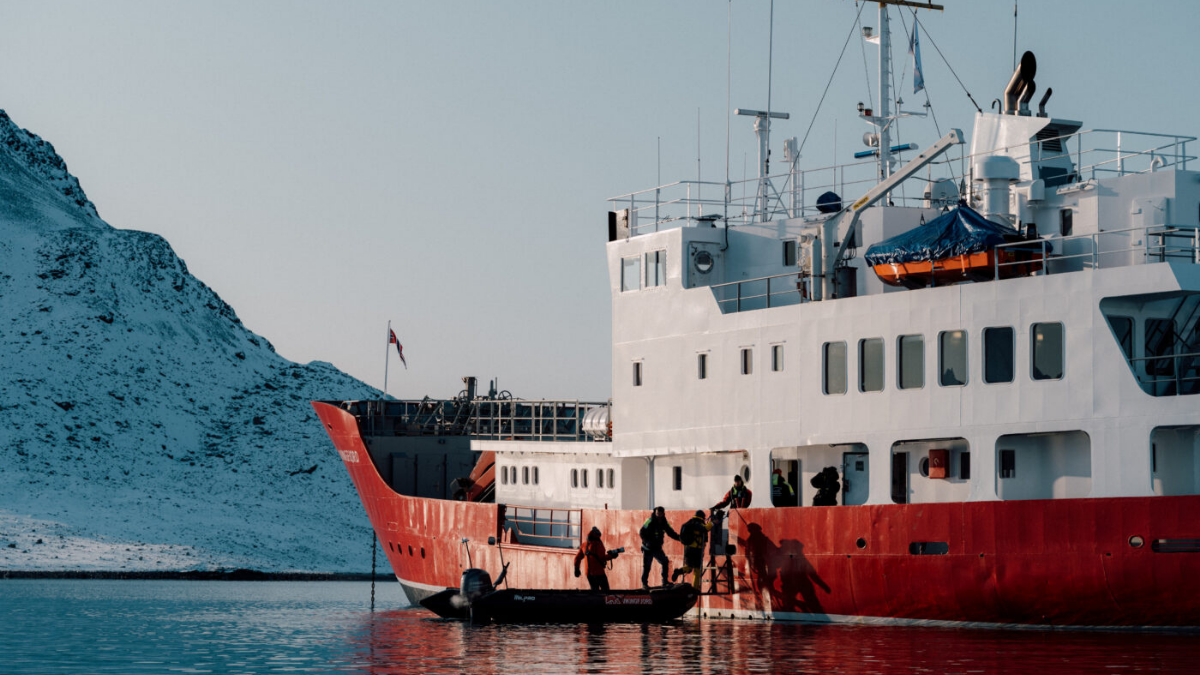
Expedition Cruising is designed for travelers who want to spend their days immersed in nature, far from crowds and distractions. These small, agile ships run a friendly, almost family-like atmosphere onboard — closer to a floating basecamp than a cruise — with extended daily Zodiac safaris, expert lectures, and highly experienced field guiding. Cabins are comfortable yet simple, keeping the focus on the raw landscapes and abundant wildlife that define the polar regions rather than onboard luxury.
Ships in this category include the Ushuaia, refurbished for a maximum of 90 passengers; the M/V Sea Spirit, carrying up to 114; the ice-strengthened M/V Plancius and M/V Ortelius; and the M/V Hondius, the first-registered Polar Class 6 vessel in the world.
Ideal for: Travelers who value raw adventure over amenities and want the most immersive, no-frills expedition experience available.
Premium Expedition Cruising (Under 200 Guests)
The perfect balance of comfort and exploration.
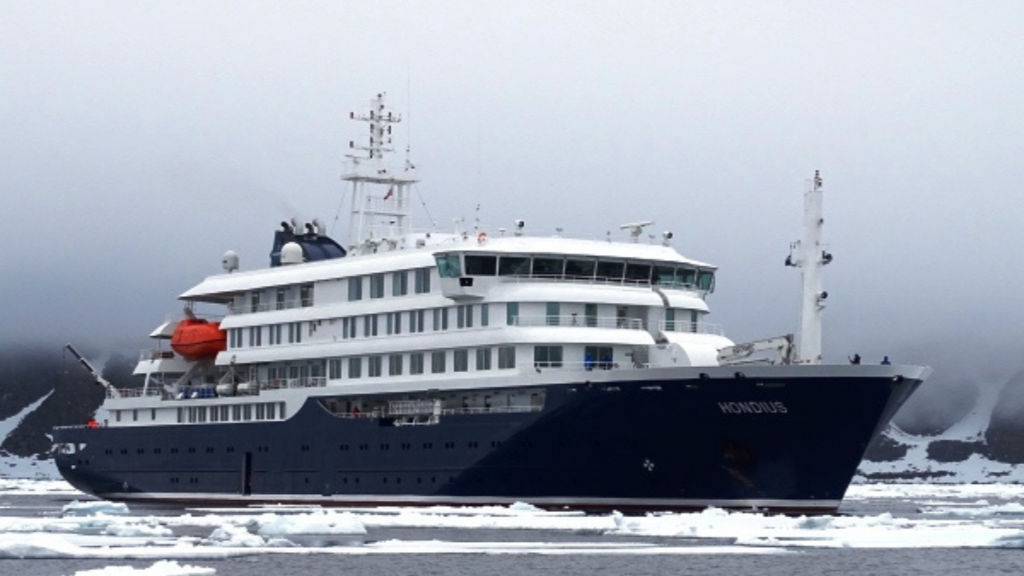
Premium Expedition ships blend authentic adventure with enhanced comfort. Expect larger cabins, most with private balconies, spacious public areas with modern decor, refined dining, and excellent onboard facilities — all without compromising the expedition spirit. These purpose-built vessels carry stabilizers for smoother sailing, and service levels are high, making this a popular choice for couples and multigenerational families traveling together.
Ships in this category include the Heritage Adventurer, which holds the highest passenger ship ice-class rating of 1A Super; the 138-passenger Ocean Explorer; the Sylvia Earle and Greg Mortimer, both built around the Ulstein X-Bow for faster, smoother sailing; the National Geographic Explorer; and the Magellan Explorer, custom-built in Chile for Antarctic air-cruises.
Ideal for: Those who want an elevated experience but still prioritize time in nature and a genuine expedition feel.
Upper Premium Expedition Cruising
Modern design, cutting-edge technology, and refined comfort.
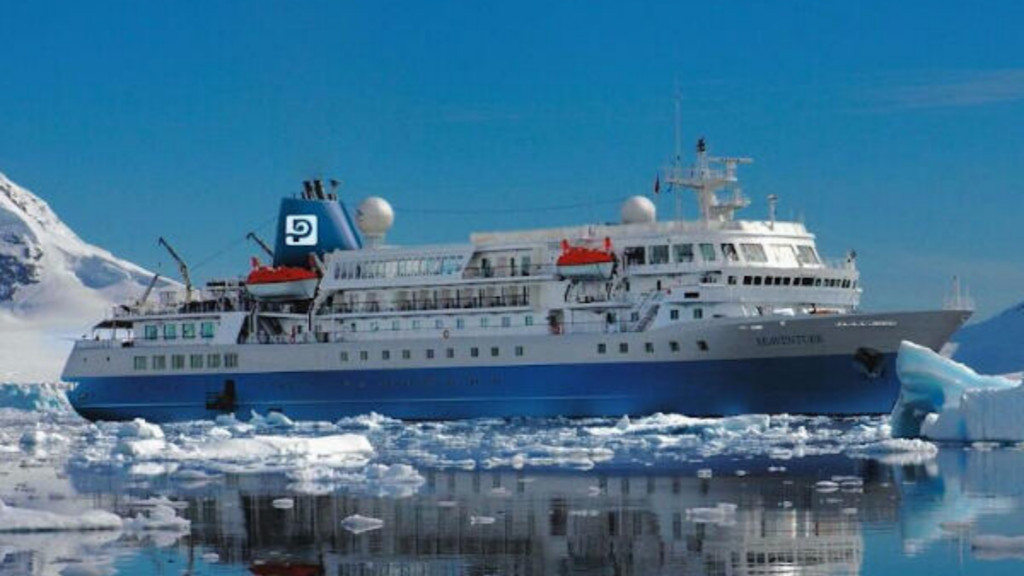
This category represents the next generation of expedition vessels — new-build ships featuring spacious suites, modern-inspired interiors, innovative sustainability features, all-inclusive amenities and fine dining. They strike a careful balance between exploration and indulgence, appealing to travelers who want comfort and contemporary design without tipping fully into luxury territory.
Ships in this category include the National Geographic Endurance and National Geographic Resolution, christened in Antarctica in 2021; the SH Diana, SH Vega and SH Minerva; the yacht-style World Voyager; and Ultramarine, designed to reach beyond the familiar in polar exploration.
Ideal for: Discerning explorers who enjoy exploration paired with thoughtful luxury and environmental innovation.
Luxury Expedition Cruising
The pinnacle of exploration. Six-star service in the world’s wildest places.
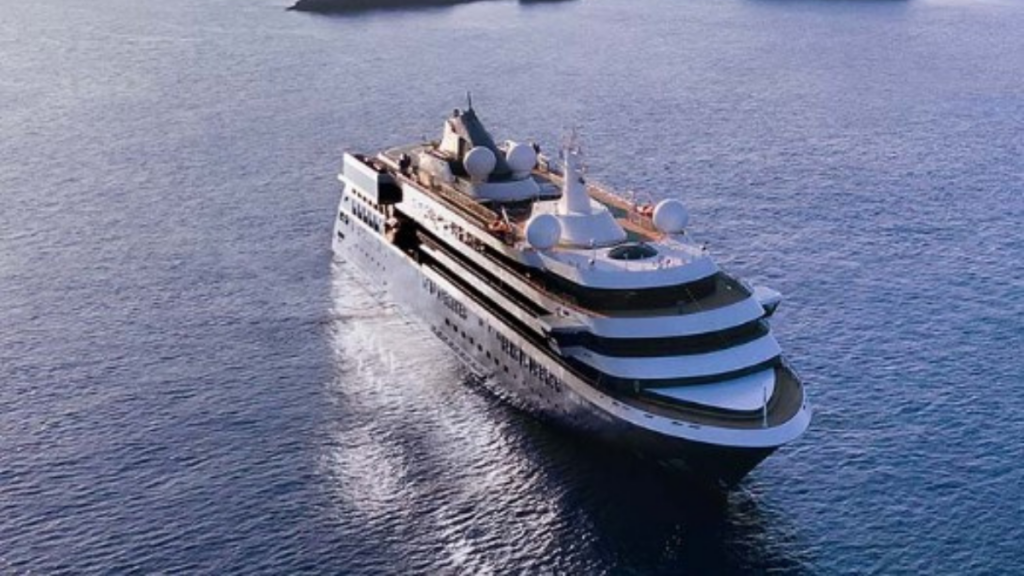
Luxury Expedition ships fuse state-of-the-art technology and design with elevated service and genuinely opulent touches. Guests enjoy six-star service throughout, all-inclusive amenities, and highly curated experiences while exploring the most extraordinary and remote destinations on Earth.
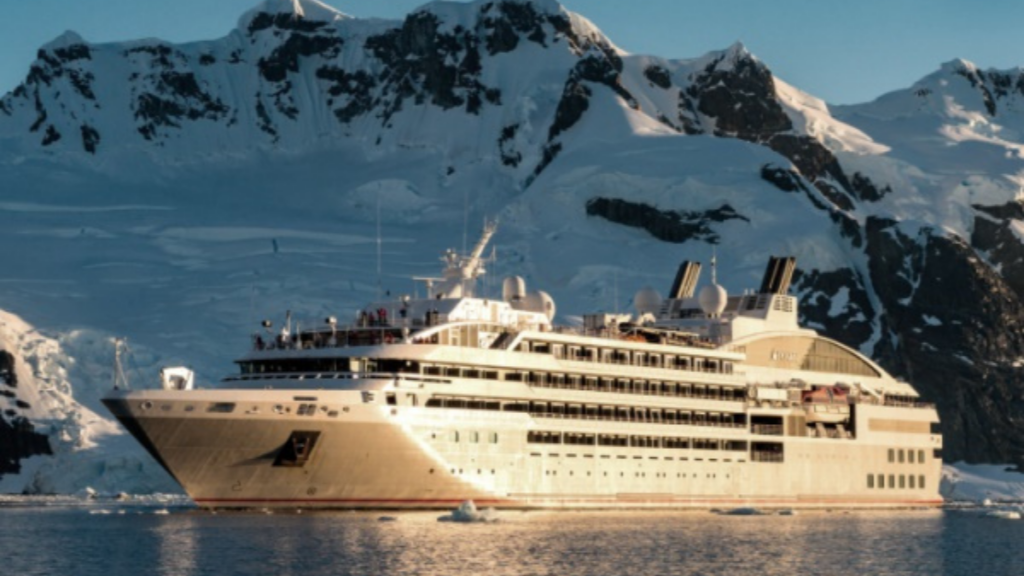
Ships in this category include Le Commandant Charcot, the world’s only luxury icebreaker powered by liquefied natural gas; Ponant’s Le Boréal, L’Austral, Le Soléal and Le Lyrial; the mega-yacht Le Bellot, with only 92 staterooms and suites, all with private balcony or terrace; and Hurtigruten’s MS Roald Amundsen and MS Fridtjof Nansen, both next-generation icebreakers.
Ideal for: Travelers seeking a once-in-a-lifetime journey defined by sophistication, elegance and absolute comfort.
Micro Expedition Cruising (12–40 Guests)
Intimate, flexible, and deeply personal.
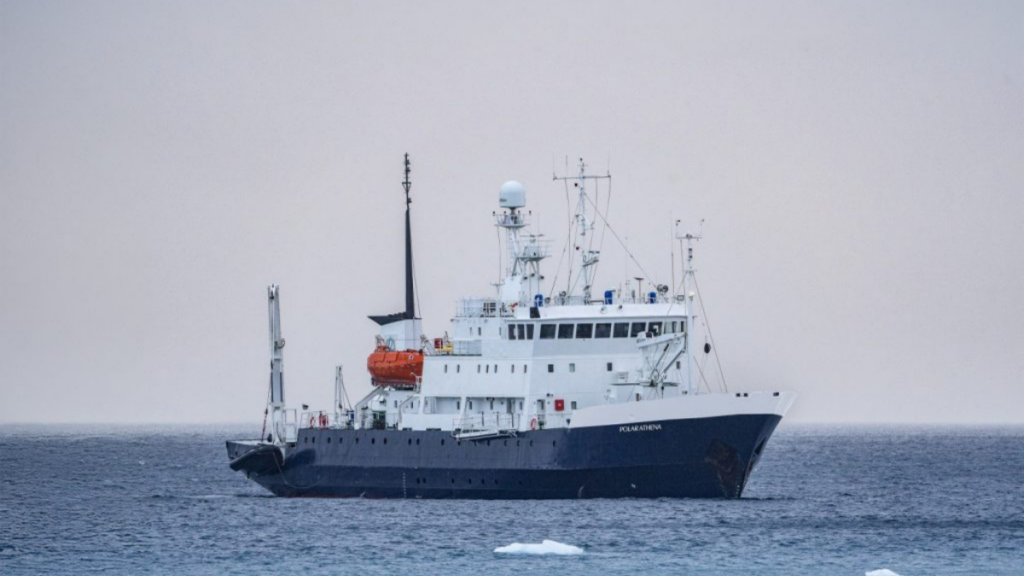
Micro-Expedition vessels prioritize flexibility and authenticity above everything else. With as few as 12 guests and high-caliber guides, these ships can respond spontaneously to wildlife sightings, weather and unexpected natural events in ways larger vessels simply cannot. Expect flexible, nature-driven itineraries, intimate landings, and a genuine sense of adventure at every stop.
Worth knowing: most of our micro fleet operates in the Arctic, Galápagos and Indonesia rather than Antarctica — vessels like the MV Polar Athena, with its 1A Super ice-class rating, and the Spirit of Sydney, built for the Southern Ocean, are the exceptions. If this is the style of travel you want, it’s worth asking us early which micro vessels are sailing south in your window.
Ideal for: Wildlife lovers, photographers, and travelers who crave authenticity and close interaction with nature, far from the crowds.
Expedition Camps
Immersive polar lodging in the heart of the wilderness.
Expedition Camps redefine the polar experience entirely, offering remote, low-impact, boutique-style lodging in the middle of the Antarctic wilderness rather than aboard a ship. These camps allow for unparalleled proximity to wildlife, ice formations and pristine landscapes, guided by top polar experts throughout your stay, with minimal environmental impact.
Union Glacier Camp is the only facility of its kind in Antarctica, and the full-service hub for most South Pole and inland Antarctic expeditions.
Ideal for: Adventurous travelers seeking the most exclusive and immersive polar experience available, beyond what any ship can offer.
Understanding Operator Philosophies
Beyond ship size and category, it’s worth understanding that different operators approach the Antarctic experience with genuinely different philosophies, and this shapes your day-to-day experience as much as the ship itself does.
Some operators are built around education and science, with onboard lecture programs, citizen science initiatives, and expedition teams drawn heavily from academic or research backgrounds. Others lean into adventure and activity, prioritizing kayaking, camping, mountaineering, and other add-on excursions as the heart of the experience. Still others focus on comfort and hospitality, treating the expedition as a luxury journey first and an adventure second, without sacrificing wildlife access and landings.
None of these philosophies is better than another — it’s simply worth asking what an operator emphasizes before booking, since two ships of similar size and price point can deliver quite different trips depending on this underlying approach.
What’s Typically Included (and What Isn’t)
Inclusions vary significantly by operator and ship category, but most Antarctica expedition cruises include:
- All meals and most non-alcoholic beverages onboard
- Zodiac excursions and shore landings, led by expert naturalist guides
- Educational lectures and presentations throughout the voyage
- Basic expedition gear, such as waterproof boots for landings (though this varies — always confirm)
What’s often not included, and worth budgeting for separately:
- Optional adventure activities like kayaking, camping, or mountaineering, which typically carry an additional cost
- Alcoholic beverages, though some higher-end ships include this
- Travel insurance, flights to your embarkation port, and pre- or post-cruise hotel stays
- Gratuities for crew and expedition staff, depending on the operator’s policy
Always review the specific inclusions for your chosen voyage carefully, since this varies more between operators than many travelers expect.
Single Supplement Policy: What Solo Travelers Should Know
If you’re traveling alone, it’s worth understanding single supplement policies before you book, since this can meaningfully affect your total cost. Most cabins on expedition ships are priced for double occupancy, and solo travelers booking a cabin alone are typically charged a single supplement — an additional fee, often ranging from 50% to 100% of the per-person double-occupancy rate, to cover the “lost” second-guest revenue.
Some operators offer ways around this:
- Guaranteed share programs, where you’re paired with another solo traveler of the same gender in a shared cabin, avoiding the supplement entirely
- Reduced or waived single supplements during shoulder-season departures, when operators are more motivated to fill cabins
- Dedicated solo cabins on some newer ships, priced without a supplement at all, though these are limited in number and tend to book up quickly
If you’re traveling solo, it’s worth asking directly about these options when comparing voyages, since the difference in total cost can be substantial.
How to Actually Decide
With so many categories and considerations, it helps to boil the decision down to a few honest questions:
What matters more to you: access or comfort?
If it’s access to remote, restricted landing sites and an intimate group, lean toward expedition or micro-expedition cruising. If it’s spacious cabins and onboard amenities, lean toward premium or luxury categories.
What’s your realistic budget?
Category and ship size correlate closely with price, so it’s worth being upfront about budget early rather than falling in love with a category that doesn’t fit.
Are you traveling solo, as a couple, or with a group?
Solo travelers should factor in single supplement policies from the start; families and multigenerational groups often do best on premium ships with more stable, spacious cabins.
Do you want structured adventure activities, or a more relaxed pace?
If kayaking, camping, or mountaineering are a priority, check that your chosen ship offers them, since not every vessel does.
Antarctica Cruise Ship Categories at a Glance
Here’s how the six categories compare. For a full list of vessels, visit our fleet page, with full specifications and deck plans for each.
| Category | Guest Capacity | Best For |
| Expedition Cruising | Under 130 | Adventure-focused travelers prioritizing nature over amenities |
| Premium Expedition Cruising | Under 200 | Couples and families wanting comfort with a true expedition feel |
| Upper Premium Expedition Cruising | Varies | Travelers wanting modern design and sustainability alongside exploration |
| Luxury Expedition Cruising | Varies | Travelers wanting six-star comfort without sacrificing access |
| Micro Expedition Cruising | 12–40 | Wildlife lovers and photographers wanting maximum flexibility |
| Expedition Camps | N/A (land-based) | Travelers wanting the most immersive, ship-free experience available |
Ready to Choose Your Ship for Your Antarctica Expedition?
With so many excellent options, choosing the right Antarctica cruise ship comes down to being honest with yourself about what kind of experience you actually want. If you’re still unsure, get in touch with us or try our interactive ship-matching quiz — we’ve sailed on vessels across every category and can help match you to the ship, operator, and voyage that fits exactly what you’re looking for.