


CO2 Emissions
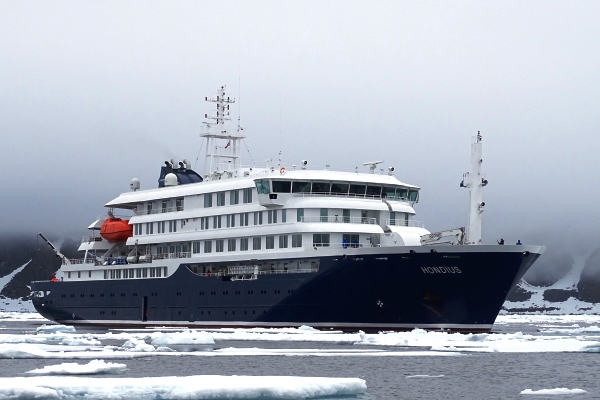
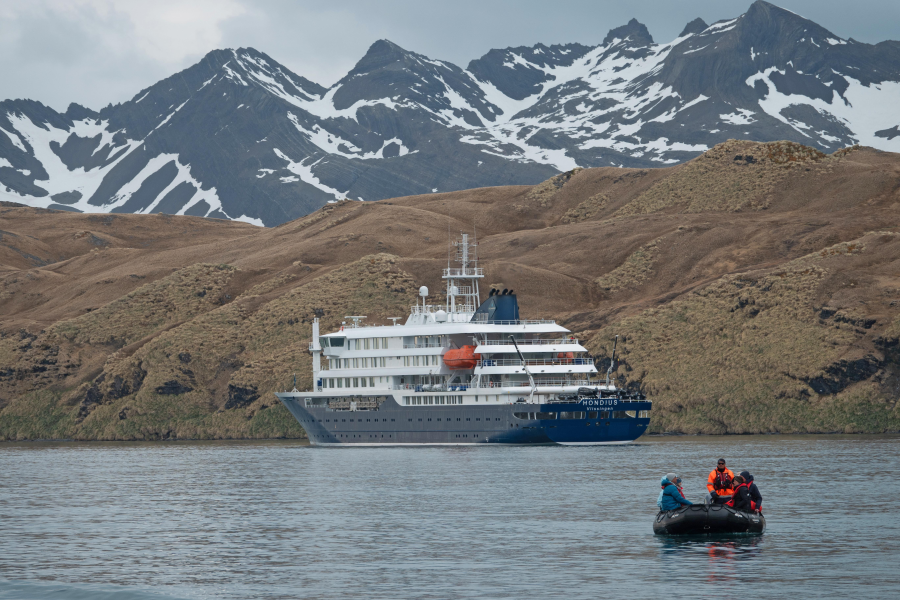
Hondius incorporates technologies that reduce fuel consumption and emissions. Tier III engines lower NOx emissions, while shaft generators, flexible power management, and waste-heat recovery improve efficiency. Oceanwide reports over 35% lower average fuel consumption per passenger than previous generations.
Waste Management
Oceanwide has eliminated single-use plastics across its vessels and uses reverse-osmosis desalination with reusable bottles to reduce bottled-water use. Bathrooms use biodegradable toiletries, while biodegradable lubricants and certified non-hazardous paints and coatings further support responsible waste management.
Citizen Science Programs
Science and education are central to Oceanwide Expeditions’ sustainability approach, with guests participating in citizen science projects supporting Arctic and Antarctic research. Oceanwide assists Wageningen University & Research with Arctic litter and micro-plastic research, while also supporting studies on invasive species, ice cores, weather fluctuations, and CO₂ concentrations. The company transports scientific equipment, including ARGO floats, which collect ocean data for climate research. These initiatives allow guests to contribute observations and data alongside researchers and scientist-guides.
Local First Initiative / Communities
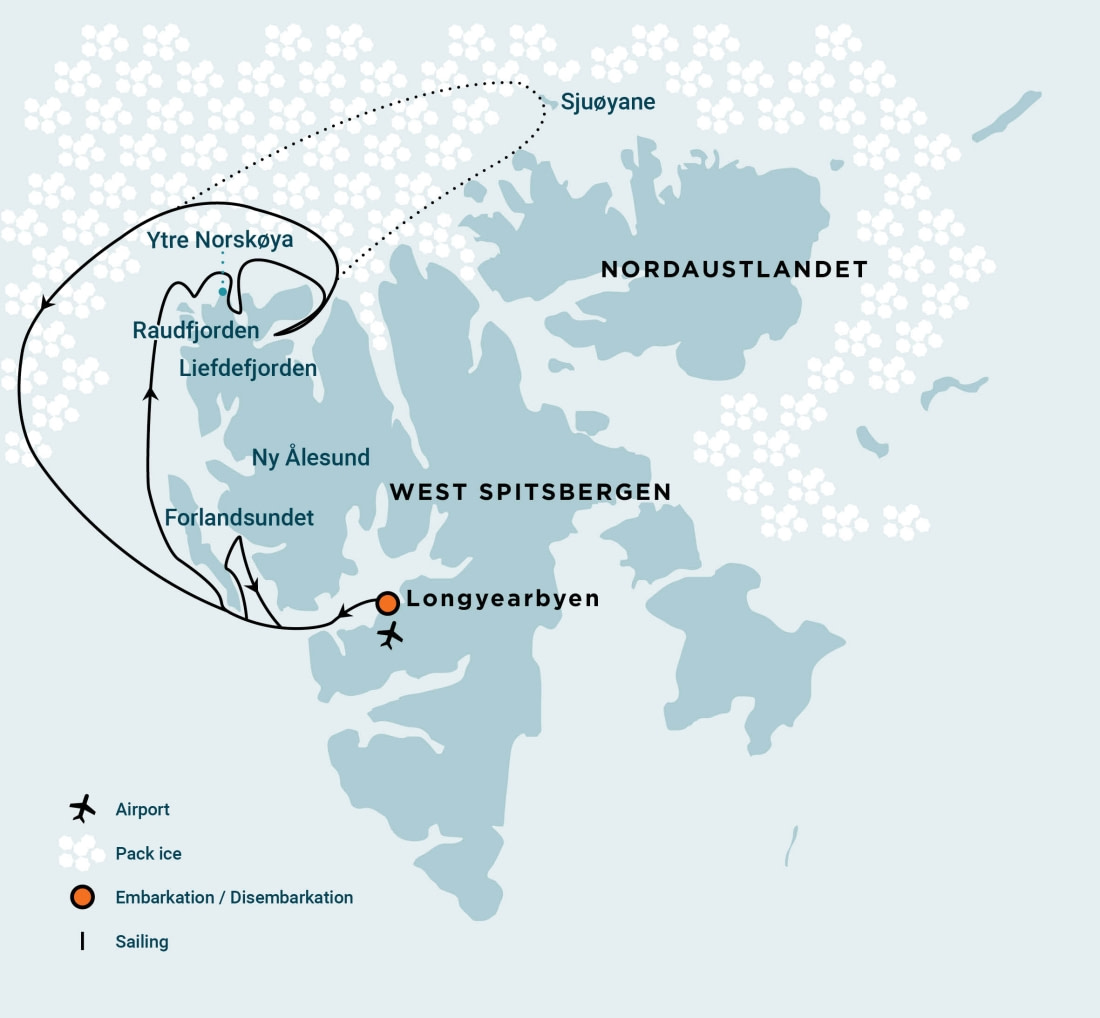
Oceanwide prioritizes local purchasing and long-standing relationships with sustainable local suppliers, supporting communities in remote polar destinations. It serves MSC-certified seafood when available and uses plant-based, biodegradable cleaning products and UTZ-certified organic Fairtrade coffee. In Svalbard, Oceanwide works with the Governor of Svalbard, AECO, IAATO, and local Longyearbyen volunteers through Clean Up Svalbard, supporting responsible tourism and coastal conservation.