
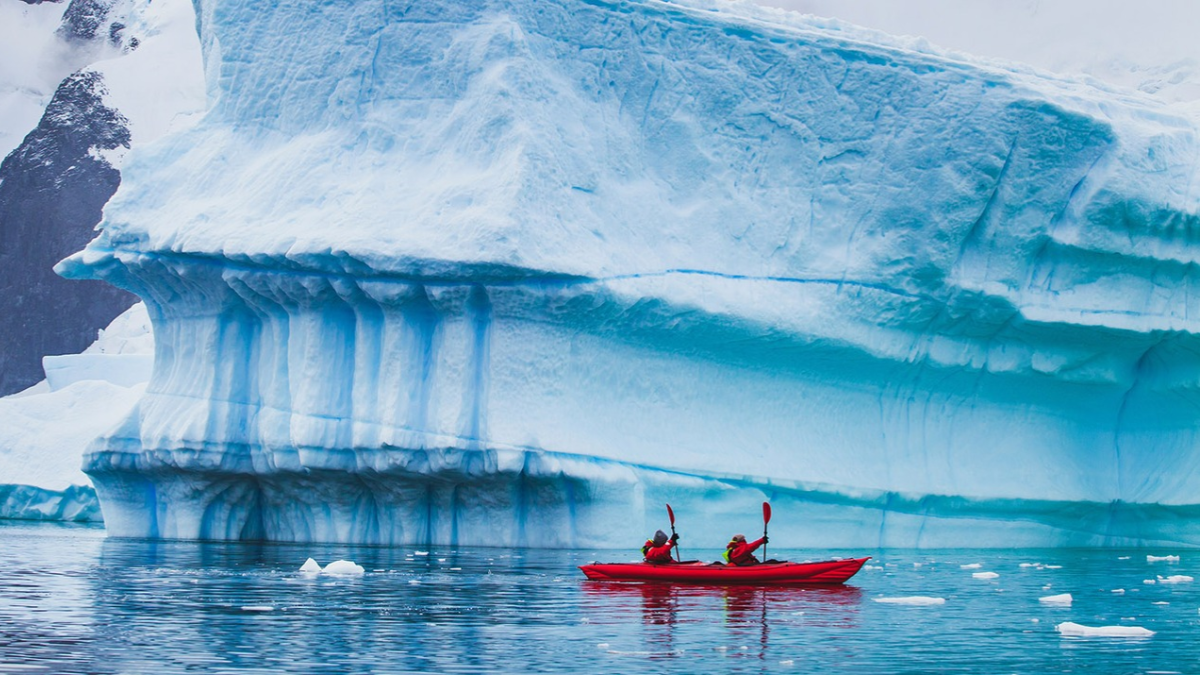
Let’s address the headline straight away, because it’s something everyone asks at some point between booking and boarding: there is no such thing as an Antarctica visa requirement. Nobody owns Antarctica. There’s no border post, no immigration desk, and no one stamping passports on the ice. Antarctica visa requirements don’t exist because no country there issues one.
What does exist is everything that happens before you get there — and that part catches people out far more often than it should.
Why There’s No Antarctica Visa Requirement
Antarctica is governed by the Antarctic Treaty, signed in 1959 and now backed by dozens of countries. The short version: no single nation owns the continent, several have parked territorial claims that everyone politely agrees not to argue about, and the whole place is set aside for peaceful and scientific use.
The practical upshot for you is that nobody has the authority to issue an entry visa, because entry isn’t controlled in the way it is anywhere else on Earth. You’ll step off a Zodiac onto a beach, and the only thing checking you are the penguins — who, frankly, will be more interested in your boots than your documents.
What You Actually Need: Gateway Country Entry
Here’s where the real paperwork lives. You can’t fly to Antarctica directly from home, so your trip runs through a gateway country — overwhelmingly Argentina or Chile, depending on whether you’re sailing from Ushuaia or flying across the Drake from Punta Arenas.
Those countries absolutely do have entry requirements, and they’re the ones that matter.
Argentina
Most voyages depart from Ushuaia, which means transiting Argentina. Requirements vary considerably by nationality — some passports get visa-free entry for tourism, others need to apply in advance. Check with the Argentine embassy or consulate for your country well before you travel, not a fortnight before departure.
Chile
If your itinerary involves flying the Drake, you’ll transit Punta Arenas instead, and Chile’s own entry rules apply. Again, these differ by nationality, and again, they’re worth confirming early.
A word of caution on both: entry requirements change. What applied to a friend who sailed two years ago may not apply to you now, and travel forums are not a reliable source. Go to the official embassy or consulate for your nationality, and do it as soon as you book your trip.
Passport Validity and Documentation
Most countries want your passport valid for a decent stretch beyond your travel dates, typically six months, though this varies. Check yours now rather than discovering a problem at check-in.
Beyond the passport itself, it’s worth carrying:
- Proof of travel insurance, including the medical evacuation coverage your operator requires. This isn’t optional for polar voyages, and some operators will ask to see it.
- Your voyage documentation and confirmation, which some gateway countries may want to see as evidence of onward travel.
- Copies of everything, stored separately from the originals. Digital copies in cloud storage work well, since you’ll have limited connectivity once you sail.
IAATO, Landing Limits and Environmental Rules
This is the part people assume involves paperwork on their end, and mostly it doesn’t — but it’s worth understanding, because it shapes your trip.
What IAATO Is
The International Association of Antarctica Tour Operators is the industry body that sets the standards for how tourism operates on the continent. Essentially, every reputable operator is a member, and membership comes with binding rules about how ships behave and how passengers conduct themselves ashore.
The Landing Limits
Two rules in particular affect what your voyage looks like:
No more than 100 passengers ashore at any one site at any one time. This is why small ships get more landing time and why larger vessels run landings in rotation — the limit is the limit, regardless of how many people are aboard.
Ships carrying more than 500 passengers cannot land passengers at all. Those vessels can cruise Antarctic waters, but everyone stays aboard. If actually setting foot on the continent matters to you, check your ship’s capacity before booking, because this catches people out.
Environmental Permits
Antarctic activity requires environmental authorization under the Antarctic Treaty’s Protocol on Environmental Protection, which is issued by the operator’s home country. The good news is this sits entirely with your operator — they hold the permit, they handle the application, you don’t need to do anything. It’s worth knowing it exists, though, because it’s one marker of a properly regulated operation.
Biosecurity
You will be asked to vacuum your outer clothing and bags before your first landing, and to scrub your boots in disinfectant going ashore and coming back. Velcro, pockets and boot treads are checked for seeds, soil and anything else that shouldn’t travel south. It feels fussy the first time. By the third landing, you’ll be doing it without being asked, because you’ll understand what’s at stake.
What to Sort, and When
| Task | When to Do It |
| Check passport validity | As soon as you book |
| Confirm Argentina/Chile entry requirements | As soon as you book |
| Apply for gateway country visa (if required) | 3–6 months before departure |
| Arrange travel insurance with evacuation cover | At deposit stage |
| Copy and store all documents | 1 month before departure |
| Confirm operator’s documentation requirements | 1 month before departure |
A Note on Getting This Wrong
Every season, a small number of people arrive in Ushuaia or Punta Arenas with a problem that could have been solved months earlier — a passport short on validity, a visa nobody mentioned, an insurance policy without the required evacuation coverage. Ships don’t wait, and no later flight can catch them up.
It’s genuinely the least glamorous part of planning a polar expedition and the easiest one to postpone. Sort it early, and then forget about it. Our guide to reaching Ushuaia covers the flights and buffer days that make the rest of the journey run smoothly, and travelers departing from Britain will find route-specific detail on our Antarctica from the UK page.
Ready to Start Planning Your Antarctic Expedition Cruise?
Antarctica asks nothing of you at the border. Getting there asks rather more. If you’re unsure what your specific nationality and itinerary require, get in touch with us — after 25 years of sending travelers south, we’ve seen most of the paperwork questions there are to see, and we’re happy to walk you through yours.