
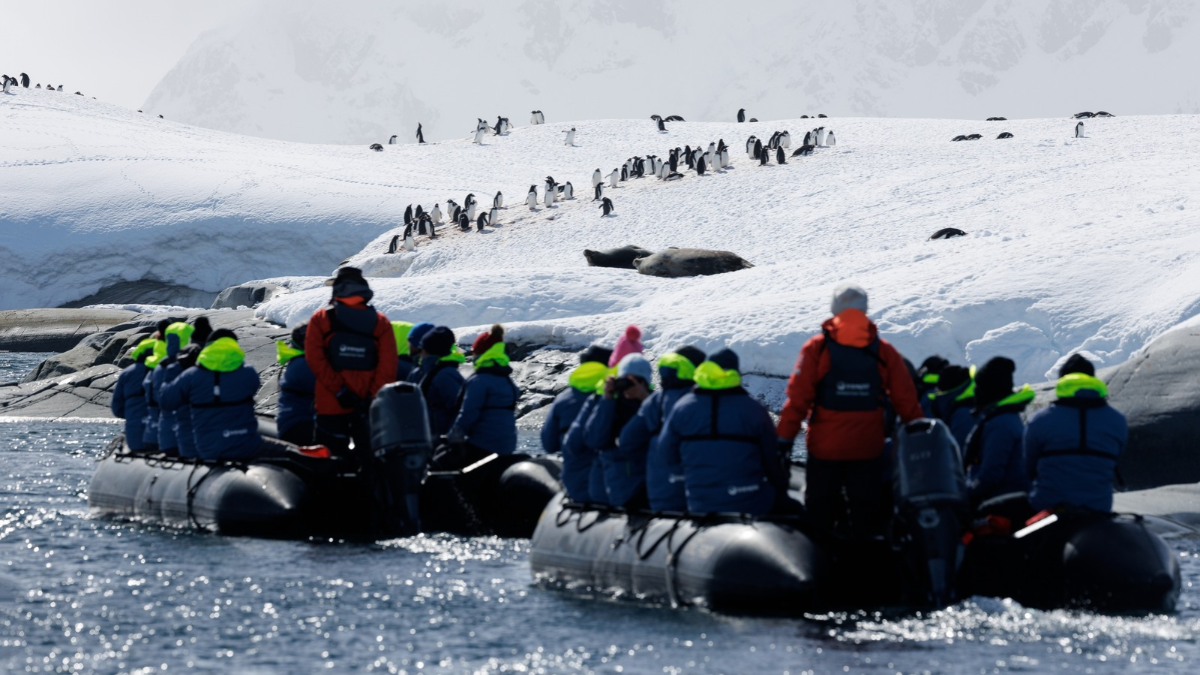
The best time to visit Antarctica is between November and March, because that’s the only window when expedition ships can access the continent. But that’s the easy half of the answer. Within those five months, timing still matters enormously — the wildlife you’ll see, the weather you’ll experience, the crowds you’ll share landing sites with, and even the price you’ll pay all shift significantly from one month to the next.
Here’s what each month actually feels like, so you can pick the one that matches what you’re hoping for.
Why Antarctica Only Opens for Five Months a Year
For most of the year, the sea around Antarctica simply freezes. Not thin ice — pack ice extending hundreds of miles out from the coastline, thick enough that no expedition vessel is getting through it. Add months of near-total darkness and temperatures that don’t bear discussing, and the question of whether to sail answers itself.
Then in November, it lets go. Temperatures lift, the ice breaks up, channels open along the Peninsula, and by midsummer the sun barely bothers setting. Every living thing down there knows the clock is running, which is exactly why the season feels so compressed and so busy — penguins, whales, seals and ships are all working to the same narrow deadline. So much goes on, it can be difficult to know when is the best time to visit Antarctica — here, we share all you need to know to help you decide.
November: Early Season
Wildlife: Everything is arriving. Penguins come ashore to build nests, which mostly means stealing pebbles from the neighbors while they’re facing the other way. Seals haul out to bask in the returning sun, and the migratory seabirds pile back in. This is courtship month — all the bowing and calling and elaborate negotiation, before any chicks turn up to complicate matters.
Weather: Cold, and the snow is untouched. You’ll land on beaches nobody has walked on since last season, which is a particular kind of thrill. Conditions are more variable than later on.
Crowds: The quietest month of the year, by a comfortable margin.
Price: Typically the lowest of the season as operators fill early departures.
Best for: Anyone who wants pristine, uncrowded landings and doesn’t mind the cold.
December: Peak Summer Begins
Wildlife: The chicks arrive. Grey, fluffy, mostly invisible except for a head poking out from under a parent’s belly. Seal pups make their first wobbly appearances on the ice, and the whales start showing up in numbers as the krill really gets going.
Weather: Proper summer. The sun barely sets, which means you can be photographing at 11pm in reasonable light and have no idea what time it is.
Crowds: Building steadily — this is a popular window for holiday travel.
Price: Rising toward peak levels, especially around the holidays.
Best for: Chicks and daylight. If you want both, this is your month.
January: Peak Season
Wildlife: The colonies are absolute chaos, in the best way. Chicks are growing fast and have worked out that the loudest, most relentless begging gets fed first, so the noise is constant. Whale sightings pick up sharply, and this is prime bubble-net feeding — humpbacks working together to ring krill in a wall of bubbles, then surfacing through the middle with their mouths open. If you see it, you won’t forget it.
Weather: The warmest month of the season, which by Antarctic standards means genuinely pleasant.
Crowds: The busiest of the year, shared with February.
Price: Peak.
Best for: Anyone who wants maximum wildlife activity and doesn’t mind other ships in the bay.
February: Whale Season
Wildlife: The best whale month, and it isn’t close. Humpbacks, minkes and orcas are all active, and by this stage in the season the whales have fed well and have time to be curious — which is when they start approaching Zodiacs of their own accord. Meanwhile, the penguin chicks have hit their awkward teenage phase: too big, half-moulted, scruffy, and extremely funny to watch.
Weather: Still warm, much like January.
Crowds: High, similar to January.
Price: Peak or close to it.
Best for: Whales, with excellent penguin activity thrown in.
March: Late Season
Wildlife: The whales are still here, feeding hard before heading north. The chicks are fledging, which involves a great deal of standing at the water’s edge, working up the courage, backing away, and trying again. Eventually one goes in, usually badly.
Weather: Cooling as the season winds down, and the light becomes extraordinary — long, low, and colorful as the days finally start to shorten.
Crowds: Thinning noticeably as fewer ships operate.
Price: Often discounted as operators fill late departures.
Best for: Photographers, whale watchers, and anyone who wants the place a bit quieter.
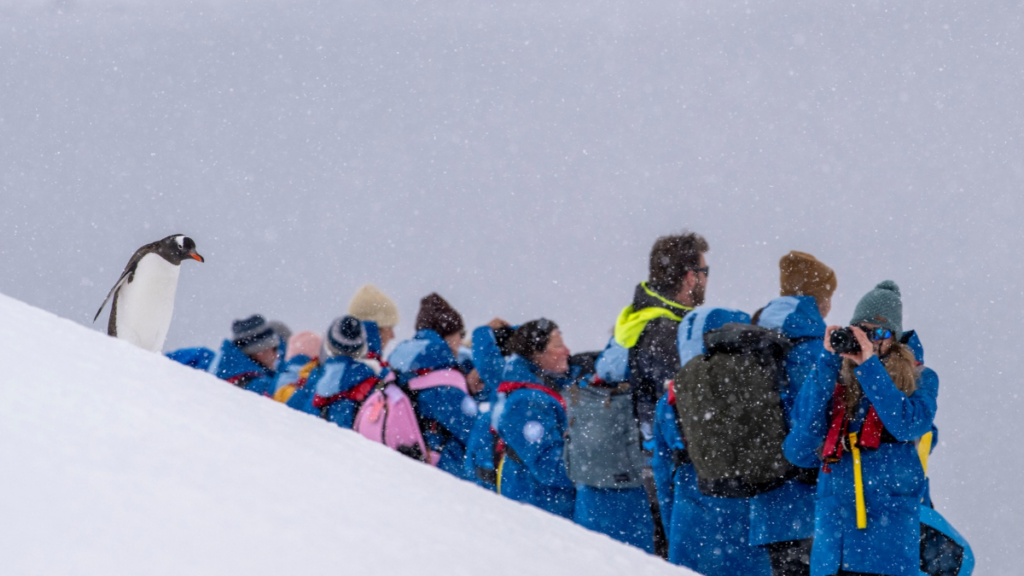
Antarctica Season at a Glance
| Month | Wildlife Highlight | Weather | Crowd Levels | Price |
| November | Nesting, courtship displays | Cold, pristine snow | Lowest | Lowest |
| December | Chicks hatching, whales arriving | Warming, near 24-hour daylight | Rising | Rising |
| January | Peak chick activity, bubble-net feeding | Warmest of the season | Highest | Peak |
| February | Best whale watching | Warm, similar to January | Highest | Peak/near-peak |
| March | Fledging chicks, dramatic light | Cooling | Thinning | Often discounted |
So, When is the Best Time to Visit Antarctica?
There’s no single best month. There’s only the best month for what you actually want to see.
Want the quietest, cleanest landscapes and don’t mind the cold? November.
Chasing chicks and endless daylight? December.
Want everything happening at once? January and February, and you’ll share it with more people.
Want dramatic light, whales, and the place to yourself? March is genuinely underrated.
Whichever you pick, you’re going during the only window Antarctica opens at all — which is a decent part of why it feels the way it does.
Ready to Plan Your Antarctica Expedition Cruise?
If you’re still weighing which month fits your priorities best, get in touch with us — we’ve sailed every month of the season ourselves and can help match your trip to exactly what you’re hoping to see.