CO2 Emissions
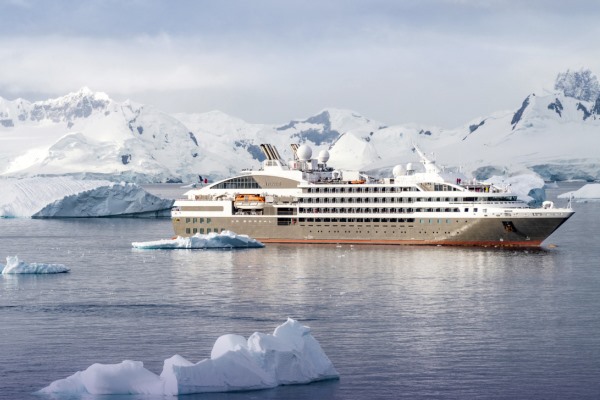
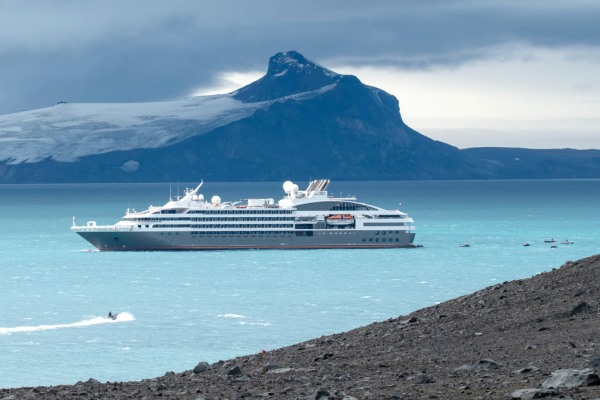
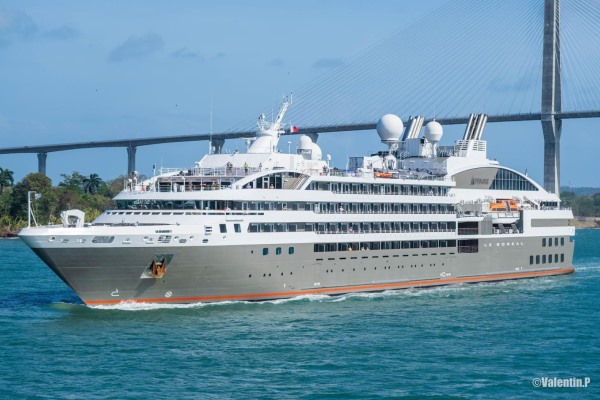
Diesel-electric propulsion, efficient hull design and dynamic positioning systems help reduce fuel consumption, emissions, vibration and noise compared with conventional cruise vessels. Energy-efficiency measures include LED lighting, onboard energy monitoring, voyage-optimization software and efforts to reduce hotel energy consumption.
Waste Management
Advanced wastewater treatment plants operate in accordance with MARPOL and polar-operation standards, with controlled discharge. Onboard waste is sorted, recycled where possible and disposed of through controlled shoreside processes, including dedicated hazardous-waste management. Single-use plastics are reduced through sustainable sourcing and refillable amenities.
Citizen Science Programs
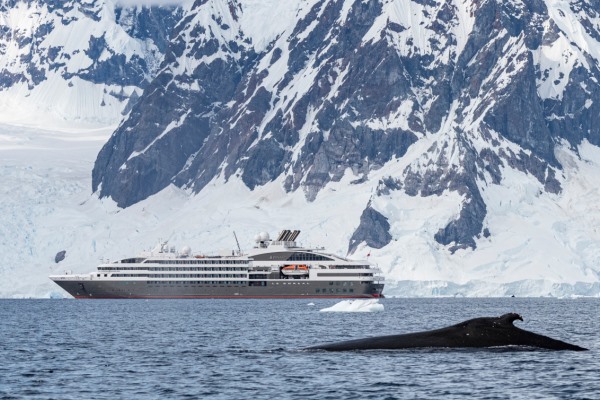
Scientific research is supported through a dedicated science programme that brings researchers aboard expedition voyages to study remote marine and polar ecosystems. Projects cover biodiversity, climate change, ocean health, seabird monitoring, microbial communities and plastic pollution. Collaborations have included the Alfred Wegener Institute (AWI), CNRS, Duke University, University of Oulu, Northumbria University, the Italian Institute of Polar Sciences (CNR-ISP), University of Montpellier, IFREMER, IRD and the École Pratique des Hautes Études (EPHE). Researchers collect data during expeditions and share their work with guests through lectures and educational activities, creating opportunities for passengers to engage with ongoing polar and marine research.
Local First Initiative / Communities
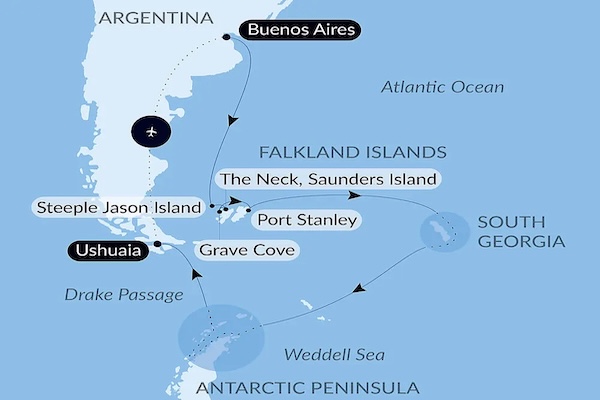
Local community engagement focuses on conservation, education, healthcare and cultural initiatives in destinations visited by the fleet. In Argentina, recyclable waste from Antarctic voyages is collected in Ushuaia and supports the Garrahan Foundation, helping fund healthcare equipment, professional training and accommodation for families. The Tierra del Fuego Alliance Française is also supported through initiatives combining cultural activities with environmental responsibility. Other partnerships include the ESCama Foundation in the Bijagós Islands, supporting education, health and community development, as well as Conservation International and the Blue Nature Alliance on marine conservation and community-led ocean protection.