





CO2 Emissions
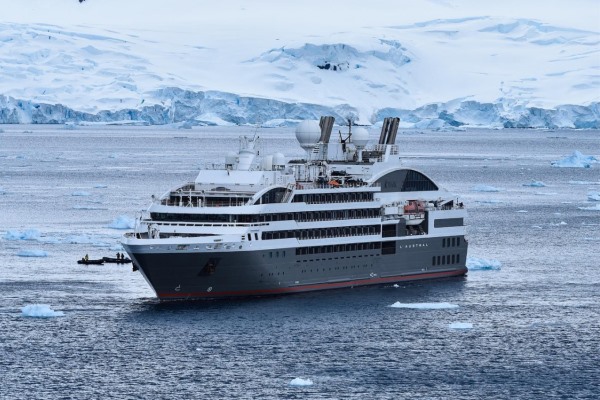
The vessels combine diesel-electric propulsion, efficient hull design, energy monitoring and voyage-optimization systems to reduce fuel consumption and associated CO₂ emissions. Ongoing efficiency improvements, including LED lighting and reduced hotel energy use, further support lower onboard energy demand. No vessel-specific public CO₂ emissions figures or quantified reduction targets were identified.
Waste Management
Waste management follows MARPOL requirements and standards applicable to polar operations, with onboard waste sorting, recycling and controlled shoreside disposal. Hazardous waste is handled separately, while advanced wastewater treatment systems process sewage and other wastewater before controlled discharge. Efforts also include reducing single-use plastics, using refillable amenities and incorporating more sustainable sourcing practices.
Citizen Science Programs
Scientific research is supported through partnerships with universities and research institutions worldwide. Projects have involved the University of Oulu, University of Montpellier / CNRS / IRD / Ifremer, Northumbria University, the Alfred Wegener Institute (AWI), the Institute of Polar Sciences (CNR-ISP) and École Pratique des Hautes Études (EPHE), covering Arctic and Antarctic biodiversity, climate change, marine ecosystems, seabirds, plastics and microbial communities. Guests can also participate in citizen science activities and attend onboard presentations led by researchers and members of The Explorers Club
Local First Initiative / Communities
Local engagement includes partnerships with Conservation International, Blue Nature Alliance, Macquarie Island Conservation Foundation, Oxford University and ESCAMA Foundation, supporting marine conservation, coral ecosystems and education. Operations also work with local communities in Baja California and Greenland, alongside cultural, educational and healthcare initiatives in destinations such as Ushuaia, the Marquesas and Polynesia.