

CO2 Emissions
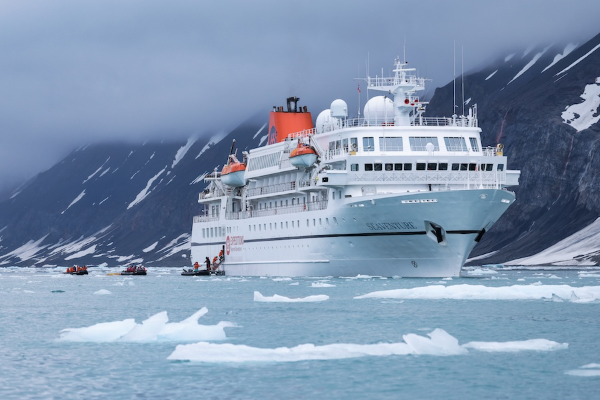
When introduced, the vessel achieved a 20% reduction in per-passenger emissions compared with the previous vessels it replaced. Its compact size and passenger capacity also contribute to a lower per-passenger environmental footprint.
Waste Management
Plastic use was reduced by 50% over three years, with a target of zero unrecycled plastic. Expedition jackets were planned with 100% recycled materials. A dedicated sustainability approach focuses on minimizing waste and reducing the environmental impact of onboard operations.
Citizen Science Programs
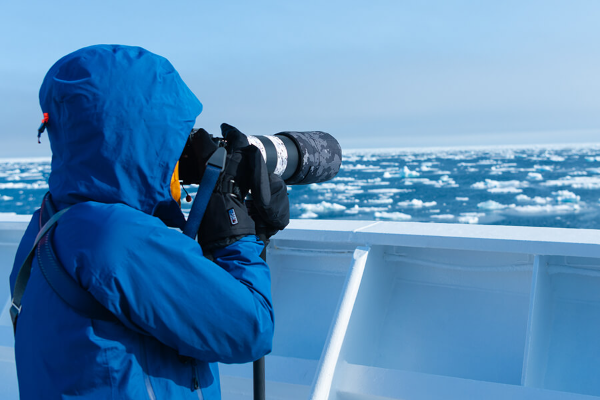
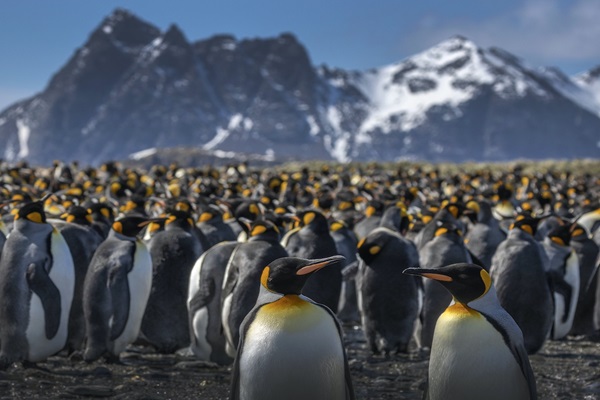
The vessel’s Citizen Science program includes whale identification and monitoring through HappyWhale, penguin population monitoring with Oceanites, and phytoplankton sampling through FjordPhyto. Other projects have included NASA GLOBE Observer cloud observations, eBird seabird surveys with the Cornell Lab of Ornithology, and oceanographic sampling supporting the Scripps Institution of Oceanography.
Local First Initiative / Communities
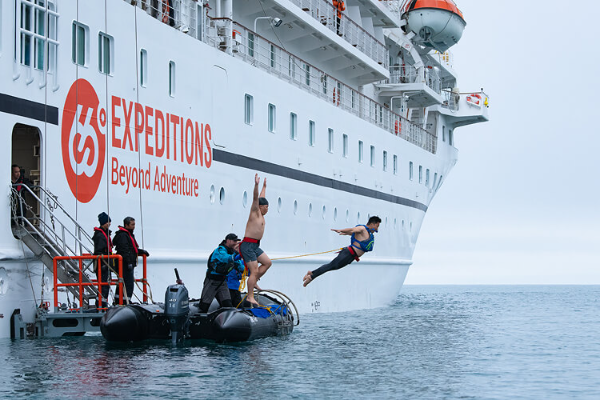
The vessel operates with international expedition teams and local partners across Arctic and Antarctic destinations, supporting local guides, service providers and community-based experiences. Operations prioritize responsible engagement with local communities and minimizing the environmental impact of tourism. In Ushuaia, initiatives have included support for local education, scholarships and student internships, as well as fundraising for community organizations. Scientific and conservation partnerships such as Oceanites, Woods Hole Oceanographic Institution and the Polar Citizen Science Collective also connect expedition activities with broader regional research and conservation efforts.
International expedition teams engage with local destinations and communities across the Arctic and Antarctic, with an emphasis on responsible interactions and minimizing the impact of expedition operations.