
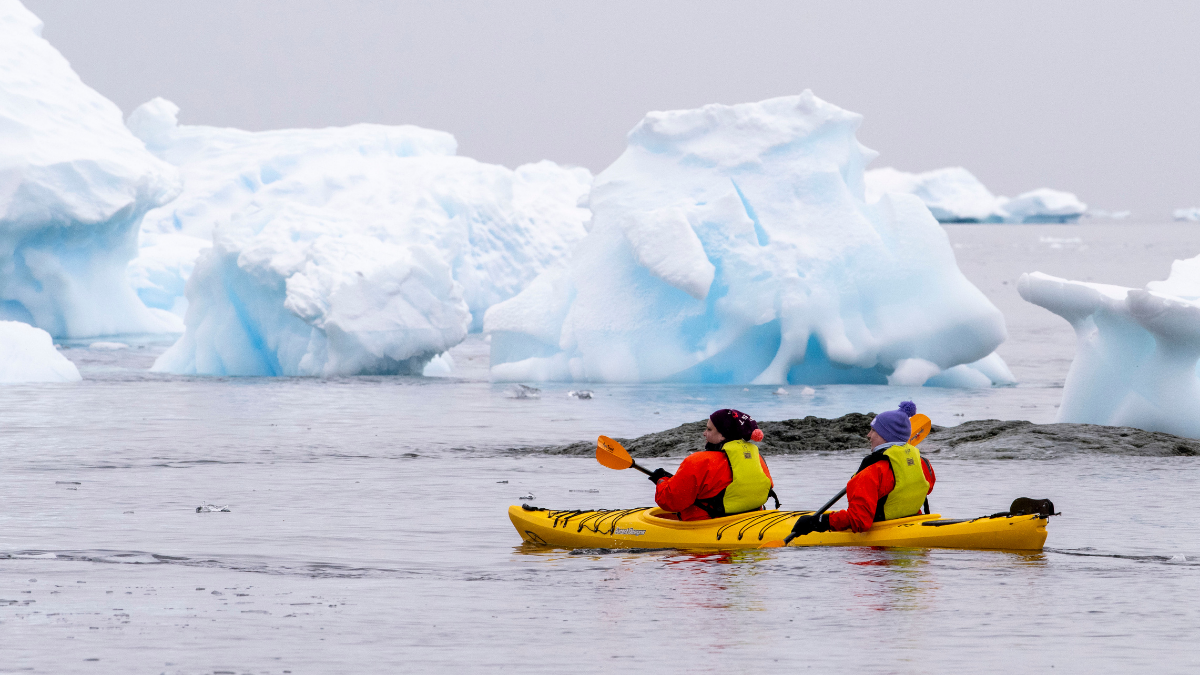
Tourist activities in Antarctica don’t look like tourist activities anywhere else. There’s no resort, no concierge desk with a laminated excursion menu. Everything happens off the ship, led by people who’ve done it hundreds of times, and shaped entirely by weather, ice, and whatever the wildlife decides to do that morning.
The day’s plan gets announced at breakfast and changed by lunch. That’s not disorganization — that’s how it works here.
Every activity is guided, weather-dependent, and run in small groups rather than herding the whole ship off at once. What’s on offer varies by vessel and itinerary, so if one particular activity is the reason you’re going, check before you book rather than after.
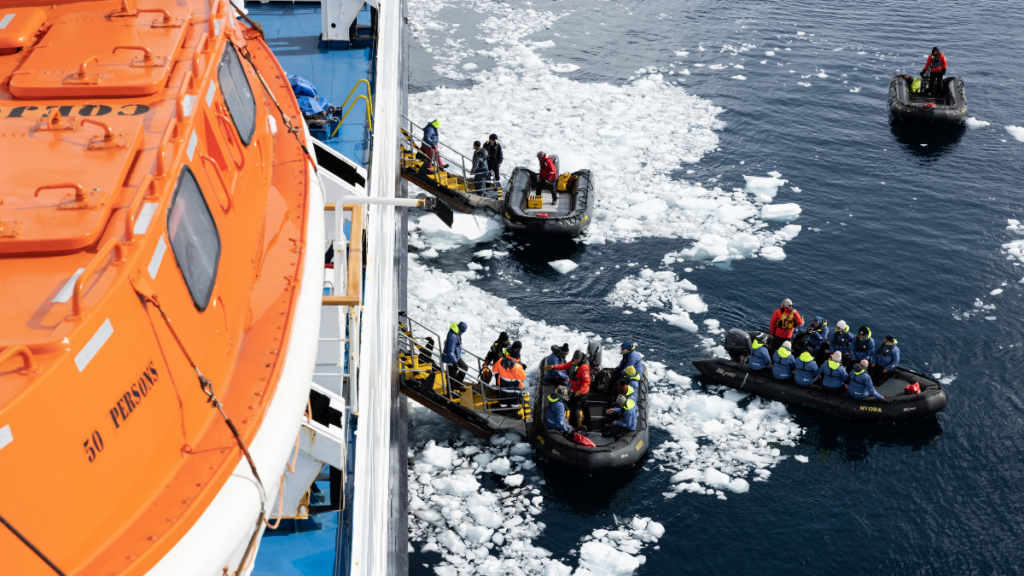
1. Zodiac Cruising
This is the heart of it. Almost every landing and every close wildlife encounter happens from one of these inflatable boats, and once you’ve spent an hour drifting through a channel choked with brash ice — engine off, nobody talking, the ice popping and fizzing around the hull as it melts — you’ll understand why people book second voyages.
You don’t need any boating experience. Someone else drives. Your job is to sit still, keep your hands inside the tubes, and try to look in every direction at once. It’s included on every standard itinerary.
2. Kayaking
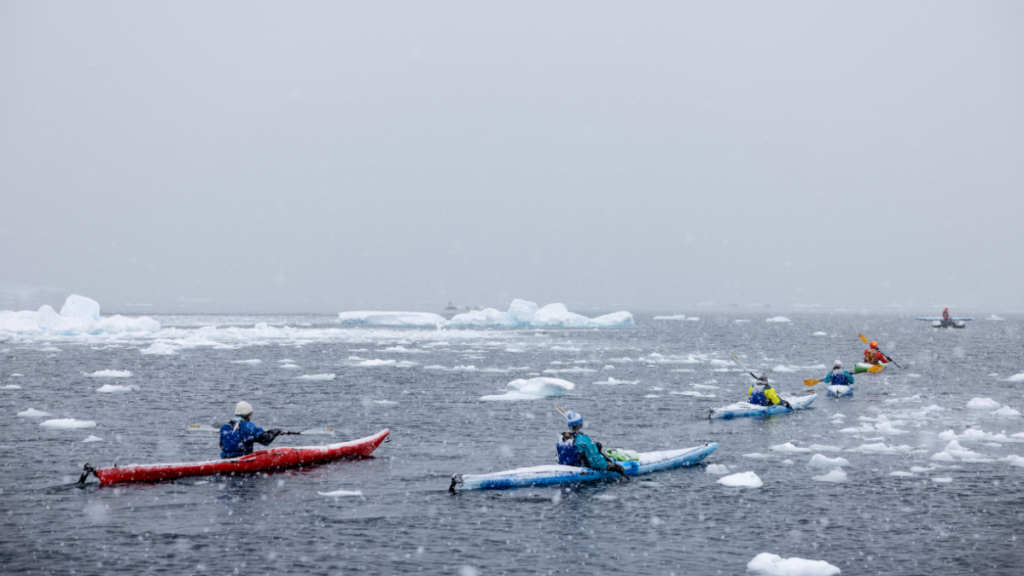
Kayaking drops you to water level, which changes everything. An iceberg looks entirely different from a kayak than it does from a ship’s deck — bigger, obviously, but also quieter. You hear it. Ice creaks, cracks, and drips, and from a kayak you’re close enough to catch it all.
It’s usually an add-on rather than included, offered on select voyages with small groups. Some programs require prior paddling experience; some don’t, so it’s worth checking what your ship offers.
3. Hiking and Ice Walks
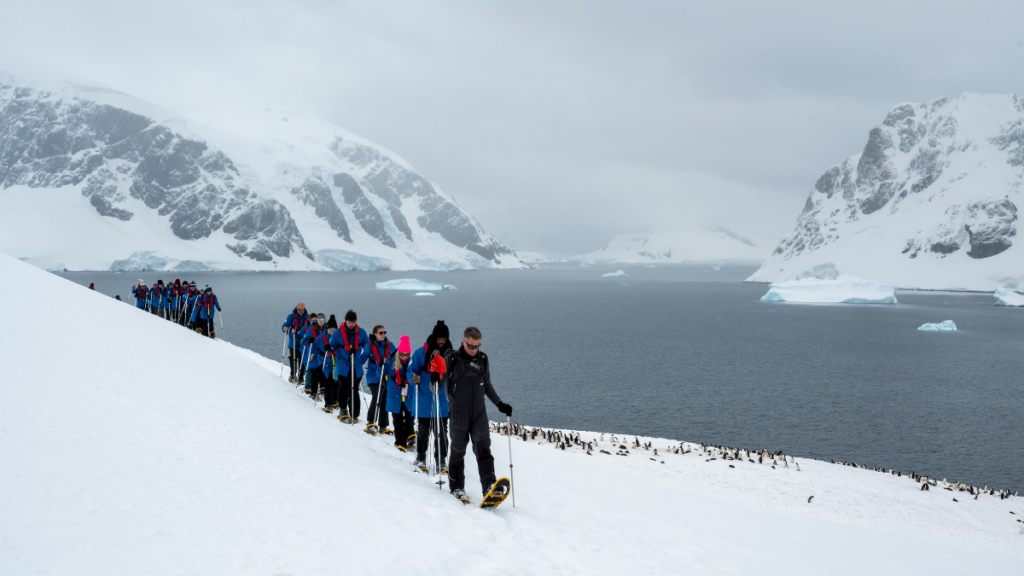
On plenty of landings, there’s the option to get away from the shoreline and go up. Sometimes that’s a twenty-minute walk to a ridge with a glacier spread out below you. Sometimes it’s a proper trek across snow with expedition staff breaking trail.
Either way, this is where the scale finally lands. Down at sea level, everything looks big. From a ridge, with the ship reduced to a white speck in the bay below, it stops being big and starts being something else entirely. Walks are graded by fitness level, so there’s usually something for everyone.
4. Overnight Camping
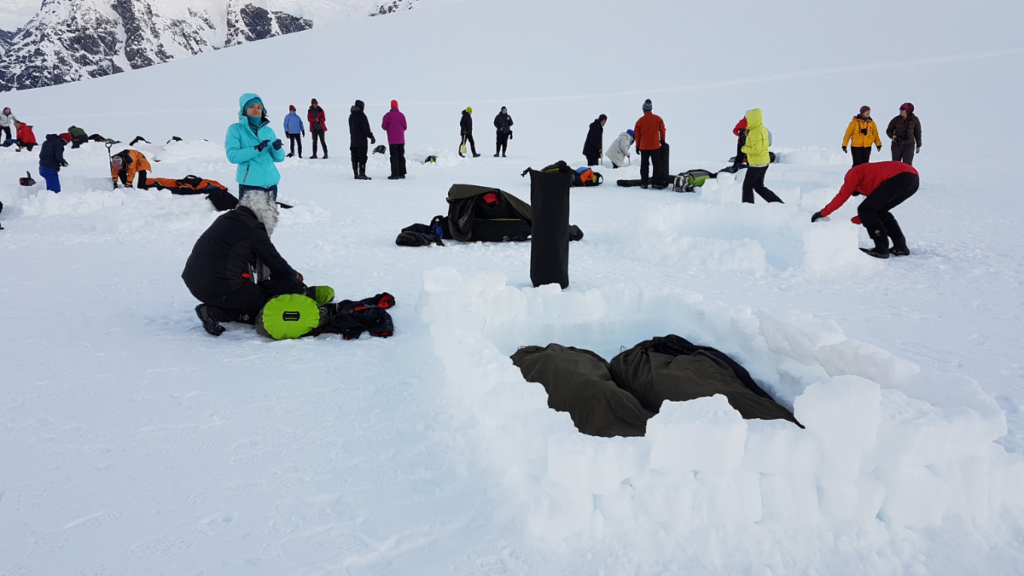
Select voyages offer sleeping out on the ice, and the people who do it never stop talking about it. You’re in a bivy bag directly on the continent, usually under 24-hour daylight, and the thing nobody warns you about is the noise. Not human noise — there isn’t any. Ice shifting. A seal somewhere. A whale breathing, sometimes surprisingly close.
Most people don’t sleep much. Nobody seems to mind. It’s weather-dependent and capacity-limited, so it’s generally a paid add-on booked well in advance.
5. Wildlife Observation
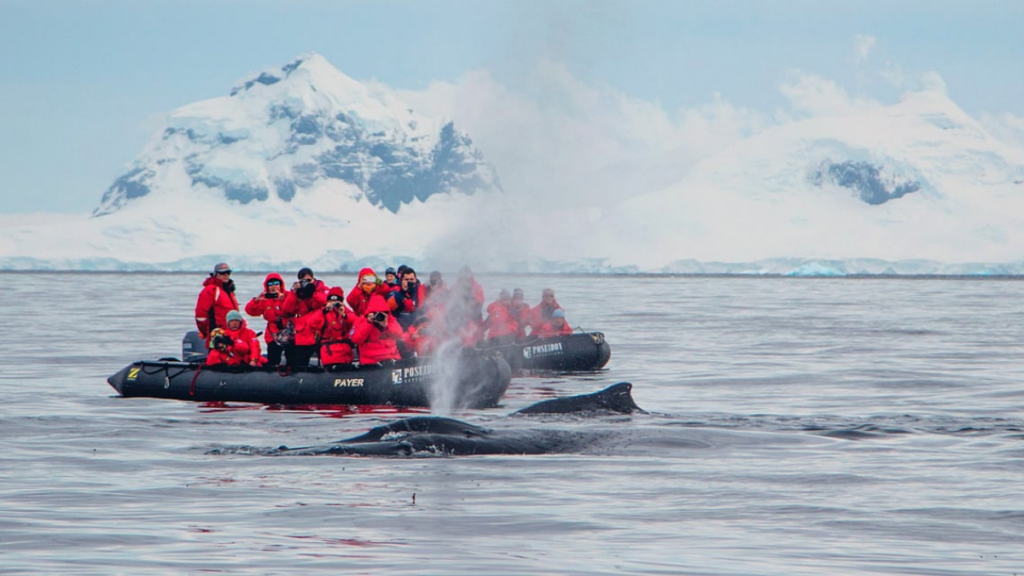
This one isn’t really an activity, because it never stops. It happens on deck at 6am in your dressing gown. It happens over dinner when somebody shouts, and everyone abandons their food.
Expect gentoo and chinstrap penguins, emperor penguins if you’re in the Weddell Sea, humpback and minke whales, leopard and crabeater seals hauled out on floes, and albatross gliding alongside the ship around South Georgia.
What you see depends heavily on route and season, but you’ll see something every single day.
6. The Polar Plunge
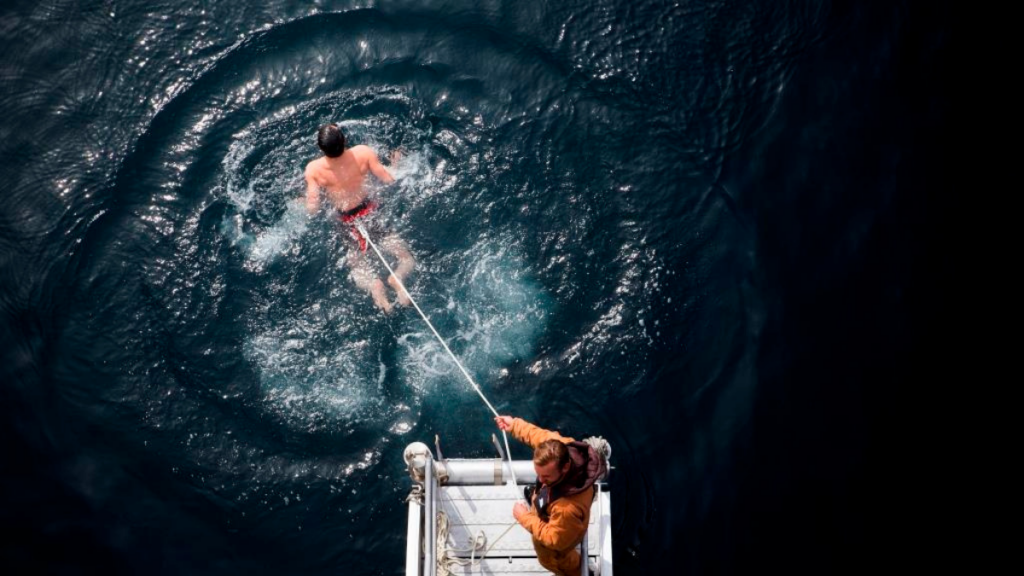
The rite of passage. You jump into the Southern Ocean, tethered at the waist, with the expedition crew watching closely and a hot shower waiting about thirty seconds away.
The cold doesn’t feel like cold. It feels like being hit. There’s a moment underwater where your brain simply refuses to process what’s happening, and then you’re out, on the deck, laughing in a way that isn’t entirely voluntary. Optional, very quick, and one of the most talked-about moments of any voyage. No wetsuit. Just nerve.
7. Snorkeling and Diving (Select Voyages)
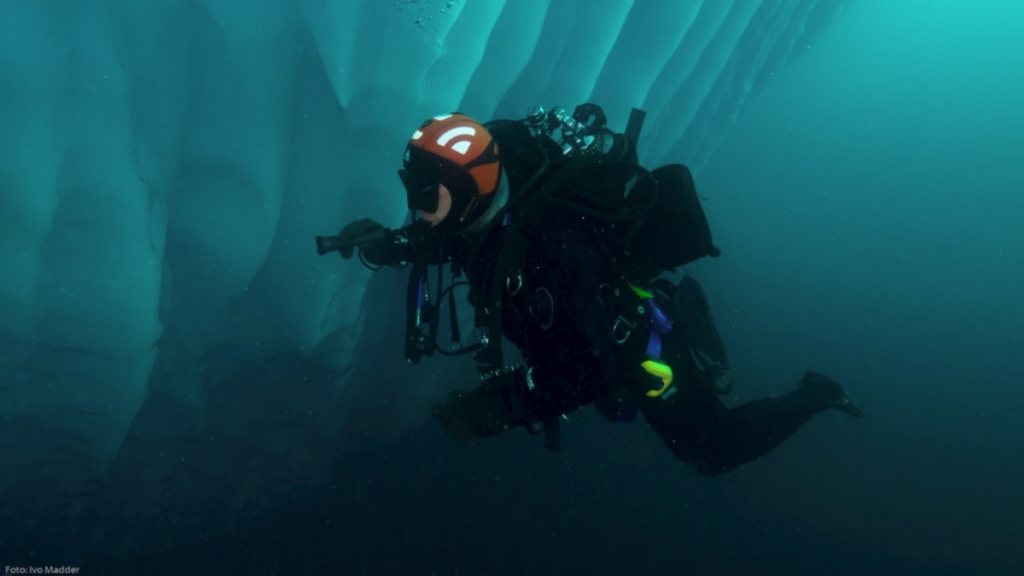
A handful of specialist voyages offer drysuit snorkeling or scuba diving, which lets you see something almost nobody sees: the underside of an iceberg, where the ice goes a blue you won’t find anywhere above the waterline.
This is niche, expensive, and limited to specific ships and itineraries rather than available fleet-wide. Prior dive certification is typically required.
Choosing Which Activities Matter Most
Not every ship offers every activity here — camping, kayaking, and diving in particular vary a lot by vessel and voyage. If one specific thing is the reason you’re going, confirm it’s available before you book rather than hoping.
If you’d like help choosing the right ship, timing, or itinerary for your own expedition, get in touch with us — we’re always happy to help you plan the trip that’s right for you.