
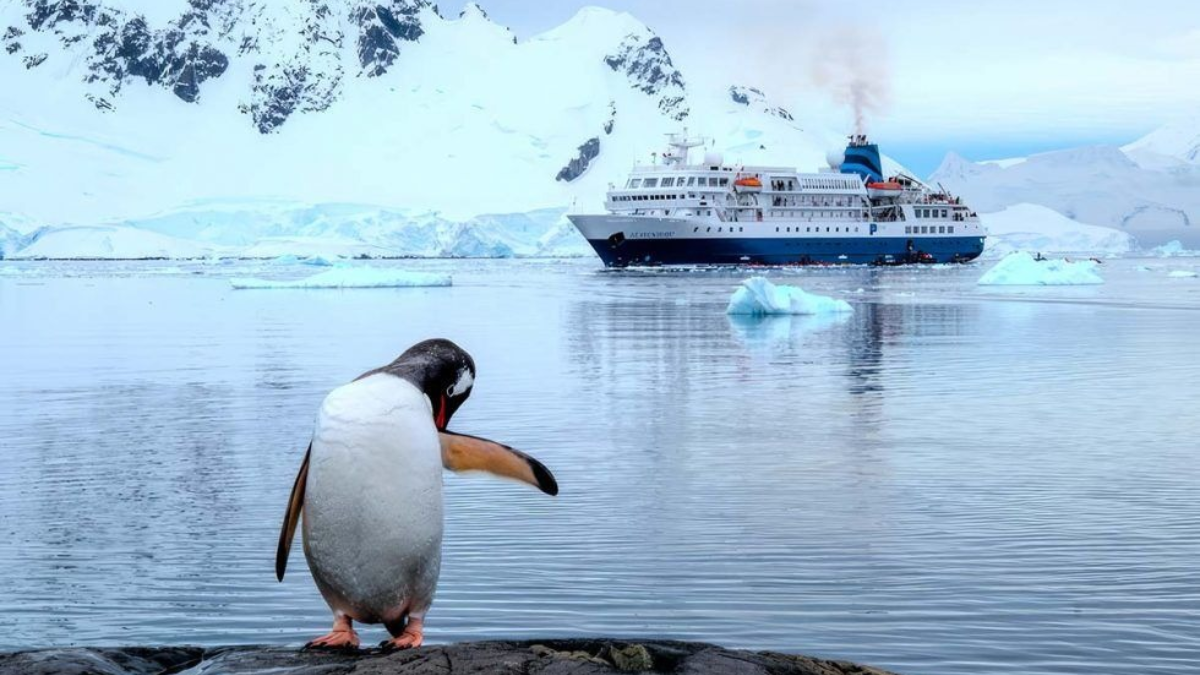
Booking an Antarctica cruise involves a lot more than clicking “reserve” on a website. Between choosing the right ship, understanding deposit structures, arranging the right insurance, and preparing for a genuinely remote destination, there’s a real process behind getting from “I want to go” to standing on the deck watching your first iceberg drift by.
Here’s exactly how that process works, step by step.
Step 1: Decide Between Booking Through an Operator or a Specialist Agent
Your first decision is who you book with. You can go directly to a cruise operator, or work with a specialist polar travel agent.
Booking directly with an operator makes sense if you already know exactly which ship, itinerary, and cabin you want. Booking through a specialist agent, on the other hand, gives you access to someone who has personally sailed multiple operators, understands the subtle differences between similar-looking itineraries, and can often flag availability, cabin categories, or promotions you wouldn’t find searching independently.
For a trip this significant, most first-time Antarctic travelers find real value in that guidance.
Step 2: Choose Your Ship and Itinerary
Once you’ve decided how you’re booking, the next step is narrowing down the ship category and itinerary that fits your priorities — expedition versus luxury, ship size, and route (classic Peninsula, Peninsula plus Falklands and South Georgia, or a Crossing the Circle voyage, among others).
This is where Expedition Travel Specialist real value comes into action. They usually know all the ships, the itineraries, worth spending real time on, since it shapes the entire experience far more than most people expect going in.
Step 3: Understand the Deposit Structure
Once you’ve selected a voyage, depending on the time until departure, you’ll typically be asked to pay a deposit, or if the departure is less than 120 days (typically), full payment will be required to secure your cabin; the remaining balance is due closer to departure.
Deposit structures vary by operator, but a few things are generally consistent:
- Deposits are usually a percentage of the total trip cost, not a flat fee, and are due at booking to hold your cabin.
- The remaining balance is typically due 90 to 120 days before departure, though this varies by operator and season.
- Cancellation terms tighten as departure approaches — this is exactly why trip cancellation insurance matters so much for a trip of this size and lead time.
Always confirm the specific deposit percentage and final payment date for your chosen voyage directly, since this detail varies most between operators.
Step 4: Understand What’s Included and What Isn’t
Before you finalize your booking, it’s worth getting a clear picture of what your fare actually covers.
Typically included:
- All meals and most non-alcoholic beverages onboard (exceptions due to vessel category
- Zodiac excursions and shore landings with expert naturalist guides
- Educational lectures and presentations throughout the voyage
Typically not included:
- Optional adventure activities like kayaking, camping, or mountaineering
- Alcoholic beverages (on some ships)
- Flights to your embarkation port, and any pre- or post-cruise hotel stays
- Travel insurance
- Gratuities for crew and expedition staff
Confirming this list for your specific voyage before booking avoids surprises later, since inclusions vary more by operator than many travelers expect.
Step 5: Arrange Your Insurance
Antarctica travel insurance is not optional — nearly every operator requires proof of adequate medical evacuation coverage before you’re allowed to board, and for good reason, given how remote the region is.
Once your booking is confirmed, it’s worth arranging your insurance promptly, since trip cancellation coverage is most valuable when it’s in place from the moment your financial exposure begins, not just closer to departure.
At minimum, your policy should include mandatory medical evacuation and repatriation coverage, along with trip cancellation protection for the value of your non-refundable trip cost.
Note that some premium and upper premium Operators may include this insurance on their cabin fare
Step 6: Check Visa and Entry Requirements
Most Antarctic voyages depart from Ushuaia, Argentina, or Punta Arenas, Chile, so check entry requirements for whichever country you’ll be transiting through well before your departure date.
Requirements vary significantly by nationality, so confirm directly with your embassy or a visa specialist rather than assuming your passport alone is sufficient.
Antarctica itself has no visa requirement, since it isn’t governed by any single nation, but you will need to meet the entry requirements of your gateway country.
Since 2025, South Georgia requires visas to be obtained in advance. Note that some operators take care of this for their passengers
Step 7: Prepare for a Remote Departure
Once your booking, insurance, and travel documents are sorted, the final stage is practical preparation:
- Book flights with a buffer. Given the remoteness of embarkation ports, it’s wise to arrive at least a day early rather than cutting your connection close, in case of flight delays.
- Sort your packing list well in advance. Polar expedition packing has its own specific requirements, from waterproof layers to camera gear suited to cold conditions. Waterproof pants are mandatory and not provided. On the other hand, waterproof boots for outings are provided on loan onboard.
- Confirm medication and health preparations. Pack prescriptions with a buffer, and speak to your doctor about seasickness remedies if the Drake Passage crossing is part of your route. After booking, you will be asked to fill out and submit a health/medical form. It’s a good idea to check with your doctor about whether any studies or medical checks are needed before you pay for your trip, in case something comes up that isn’t compatible with a journey of this remoteness and duration.
- Review your final documentation. Most operators send a detailed pre-departure information pack a few weeks before your trip — read it thoroughly, since it often includes specific instructions for embarkation day.
A Realistic Booking Timeline
| Timeframe Before Departure | What to Do |
| 12+ months | Choose ship category and itinerary, pay deposit |
| 9–12 months | Arrange travel insurance, confirm visa requirements |
| 3–6 months | Pay remaining balance, finalize flights |
| 1–2 months | Finalize packing list, confirm health preparations |
| 1–2 weeks | Review final documentation from your operator |
Ready to Start the Process?
Booking an Antarctica cruise is a genuinely involved process, but it doesn’t need to be overwhelming when you know what’s coming at each stage.
If you’d like guidance choosing the right ship, understanding a specific operator’s deposit terms, or simply want someone to walk you through the whole process from start to finish, get in touch with us — we’ve helped travelers navigate every step of this journey for 25 years, and we’re happy to do the same for you.