Sort by


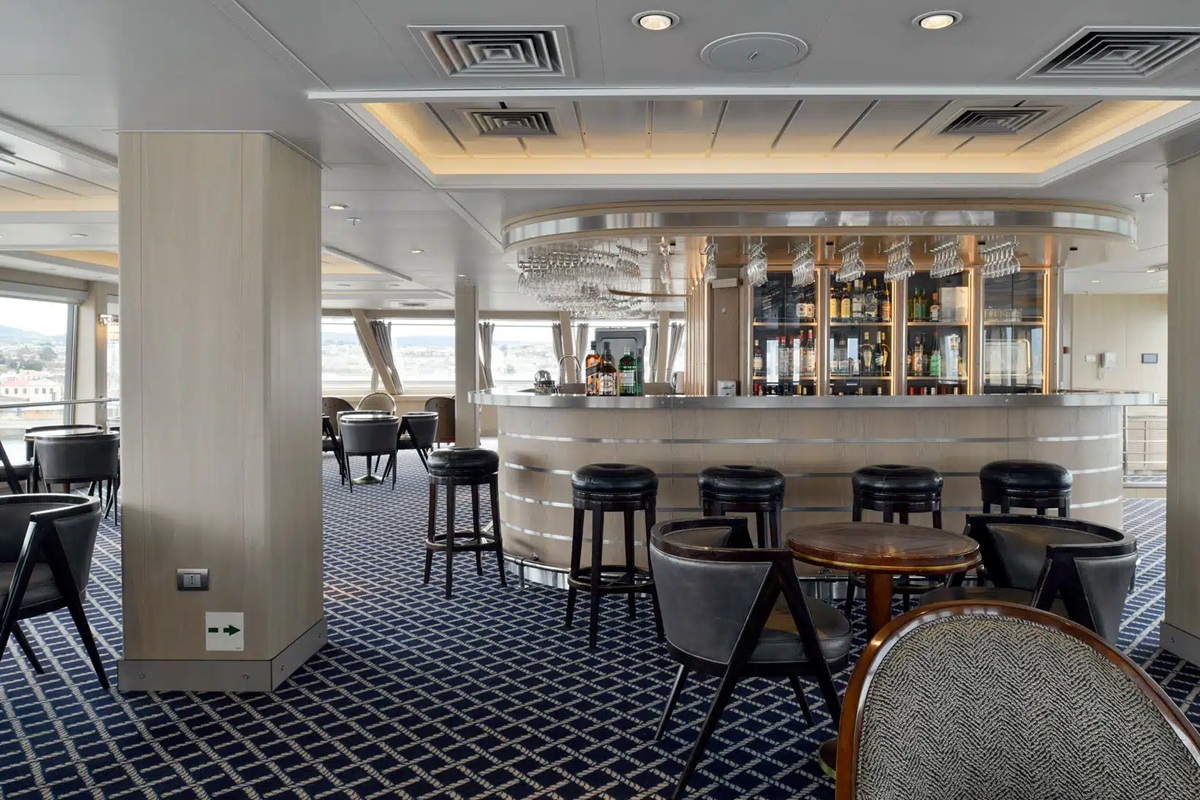
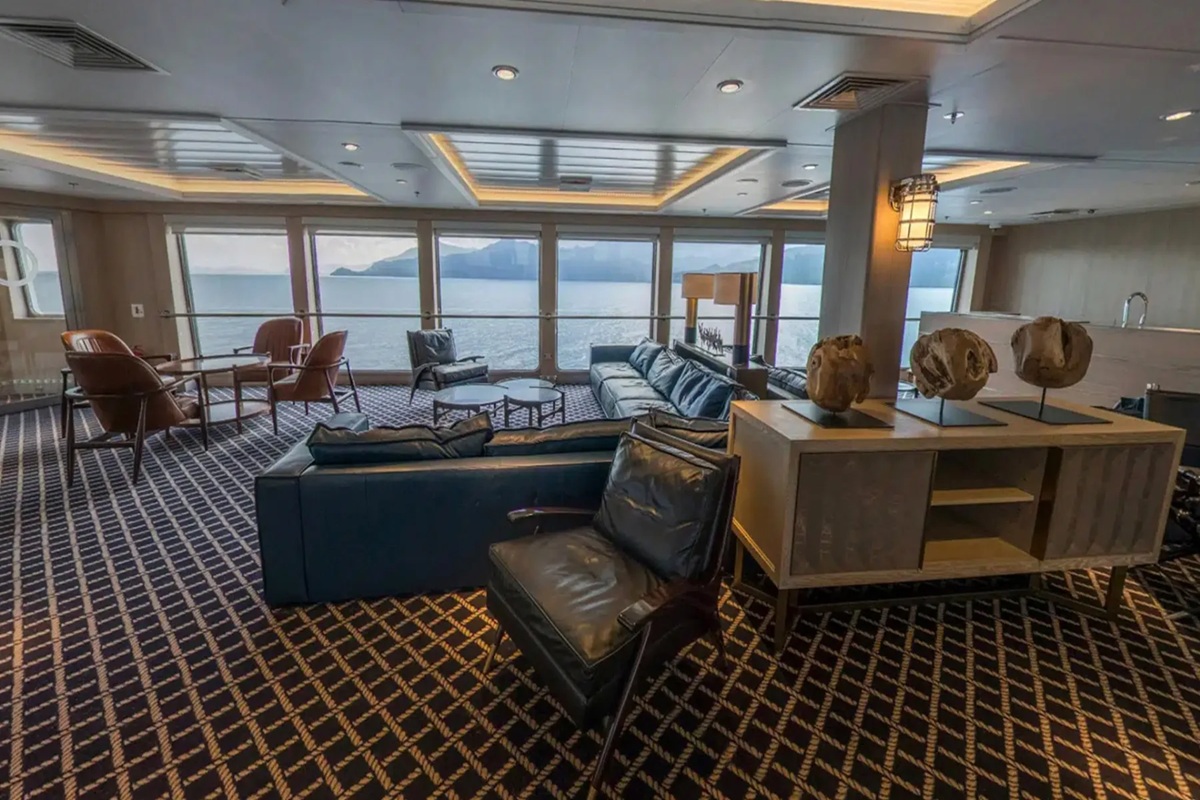
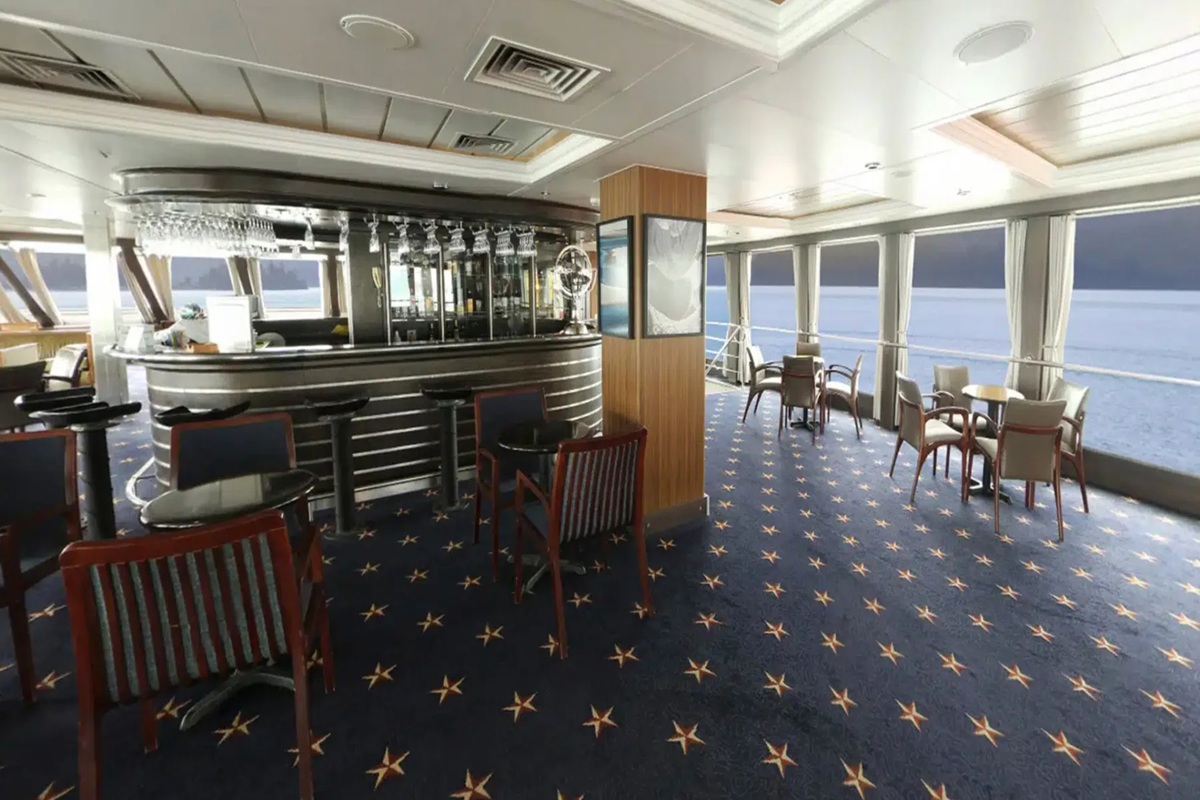
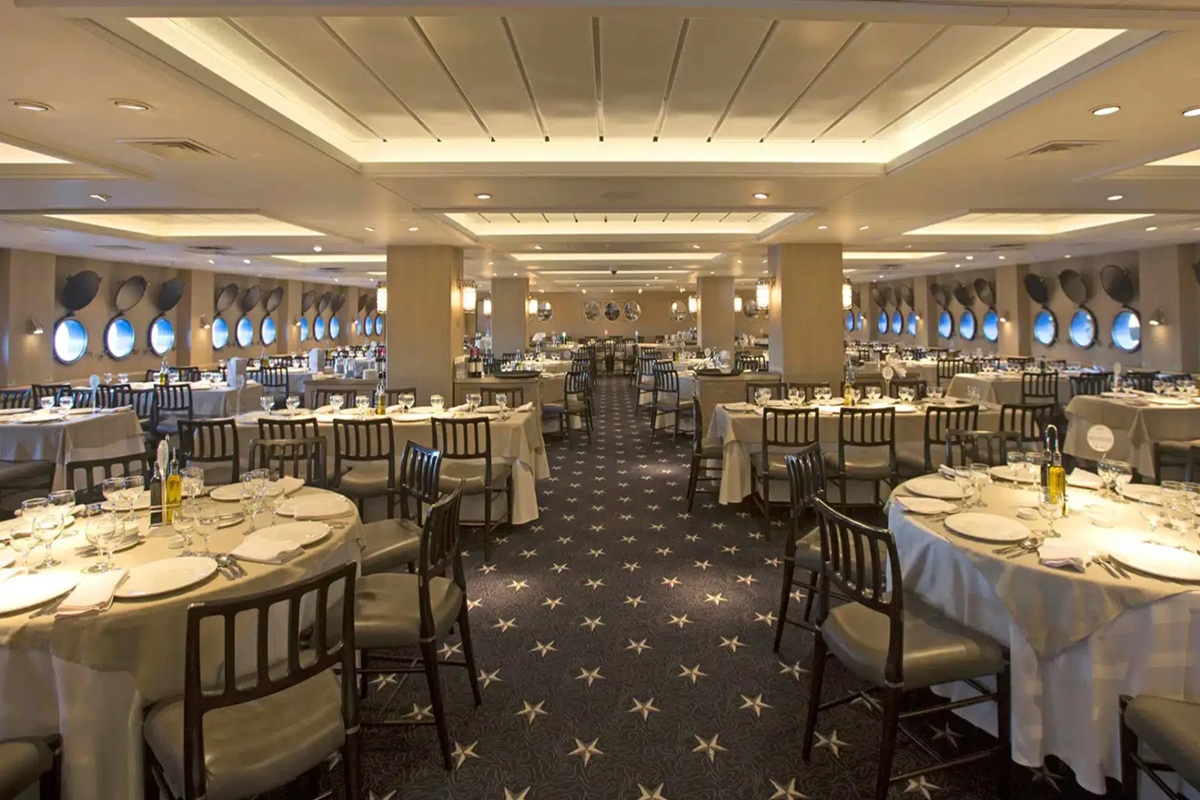
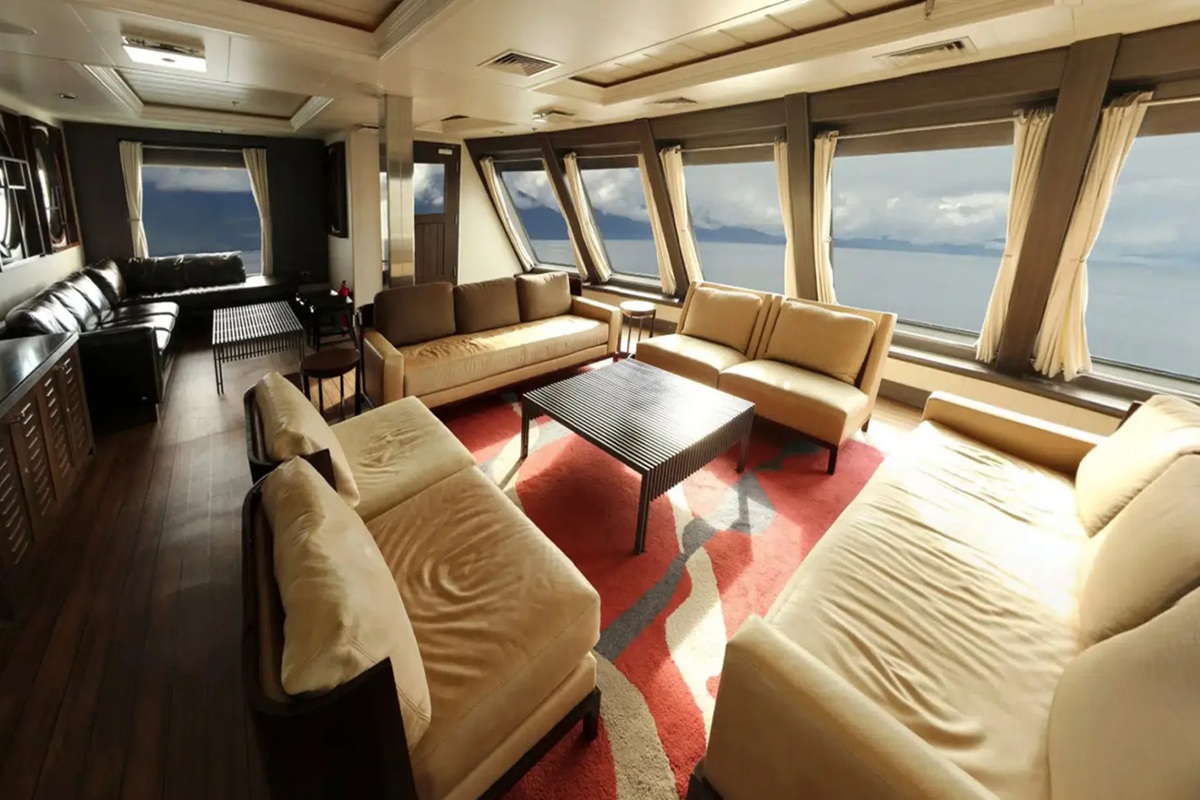
Our wonderful ship, Ventus Australis, benefits from a type of maneuverability that allows us to explore even the narrowest Patagonian channels, where no other ship can navigate.
TECHNOLOGY & FUEL:

CO2 Emissions
Low-emission propulsion improvements and NOx-reduction technology help reduce the environmental impact of operations.
Waste Management
Onboard waste-management practices include waste separation, recycling and responsible disposal. Sewage treatment complies with MARPOL standards, while vacuum toilets help reduce freshwater consumption. The replacement of cabin plastic bottles with water dispensers and reusable bottles eliminated more than 75,000 plastic bottles per season.
Citizen Science Programs
Scientific cooperation with CEQUA includes glacier photography, marine and terrestrial wildlife observations, water-temperature measurements and biodiversity monitoring. Guides receive scientific training and collect biological data following established monitoring protocols, with guests able to participate as active observers.
Local First Initiative / Communities
Collaboration with local scientific organizations supports research and environmental education in Patagonia and Tierra del Fuego. Guides maintain contact with scientists and contribute field data from remote areas that are difficult for researchers to access. A non-invasive tourism approach includes biosecurity measures, designated trails, footwear cleaning and responsible waste collection.


The cabin features a window, two twin beds, independent heating, a safe box, a closet, and a private hairdryer. Electrical power is available at 110-220 volts.

The cabin has a window, two twin beds, independent heating, a safe, a closet, and a private bathroom equipped with a hairdryer. Electrical power is available at 110-220 volts.

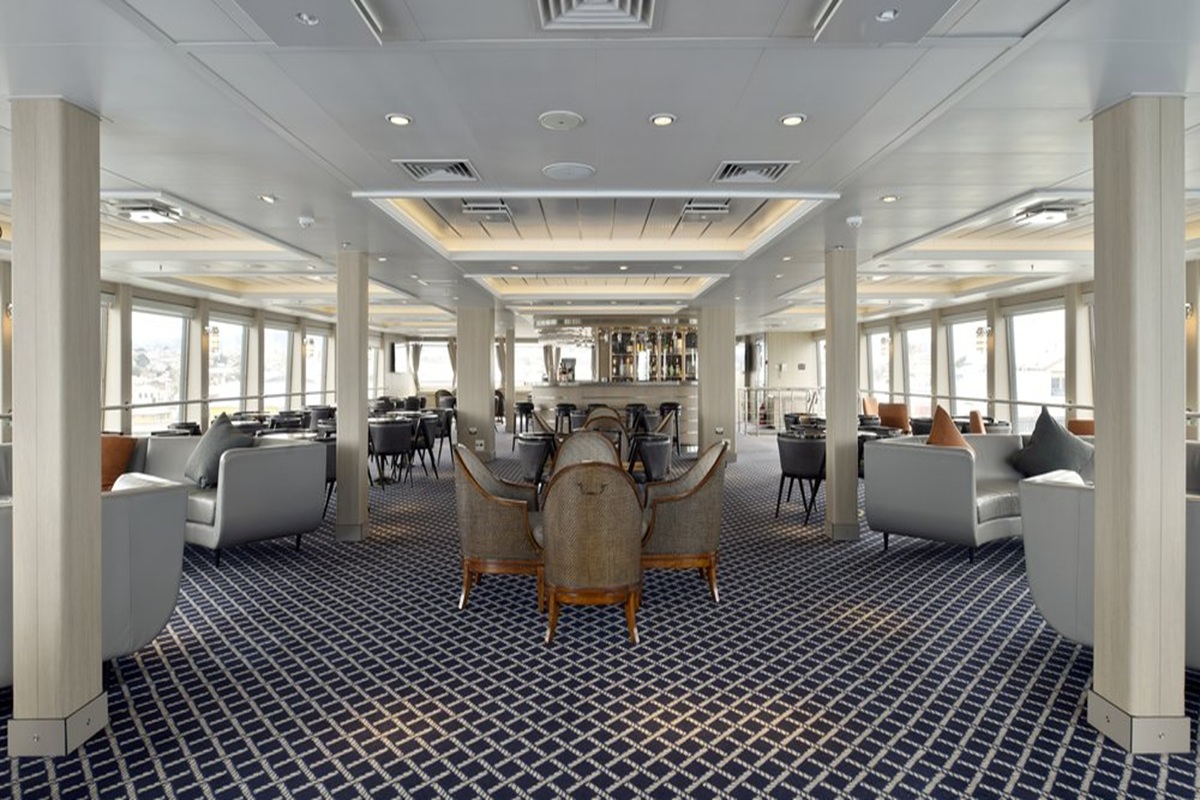
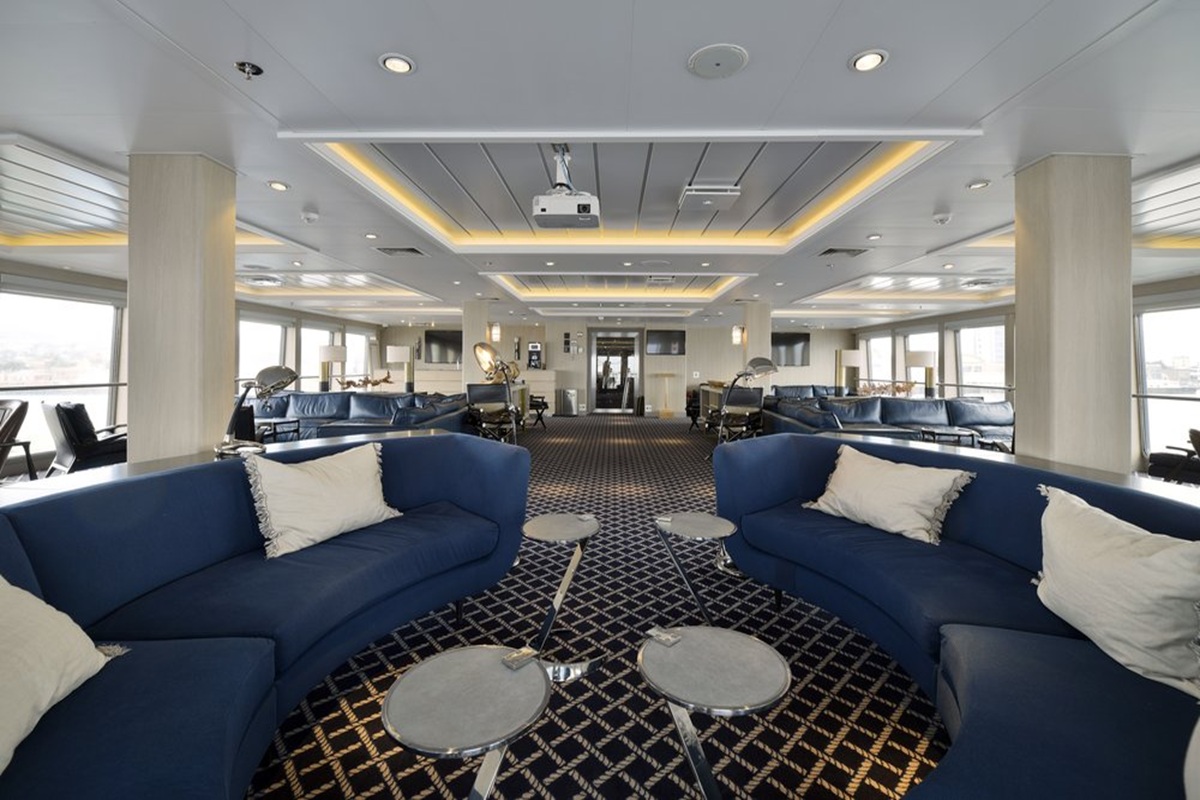
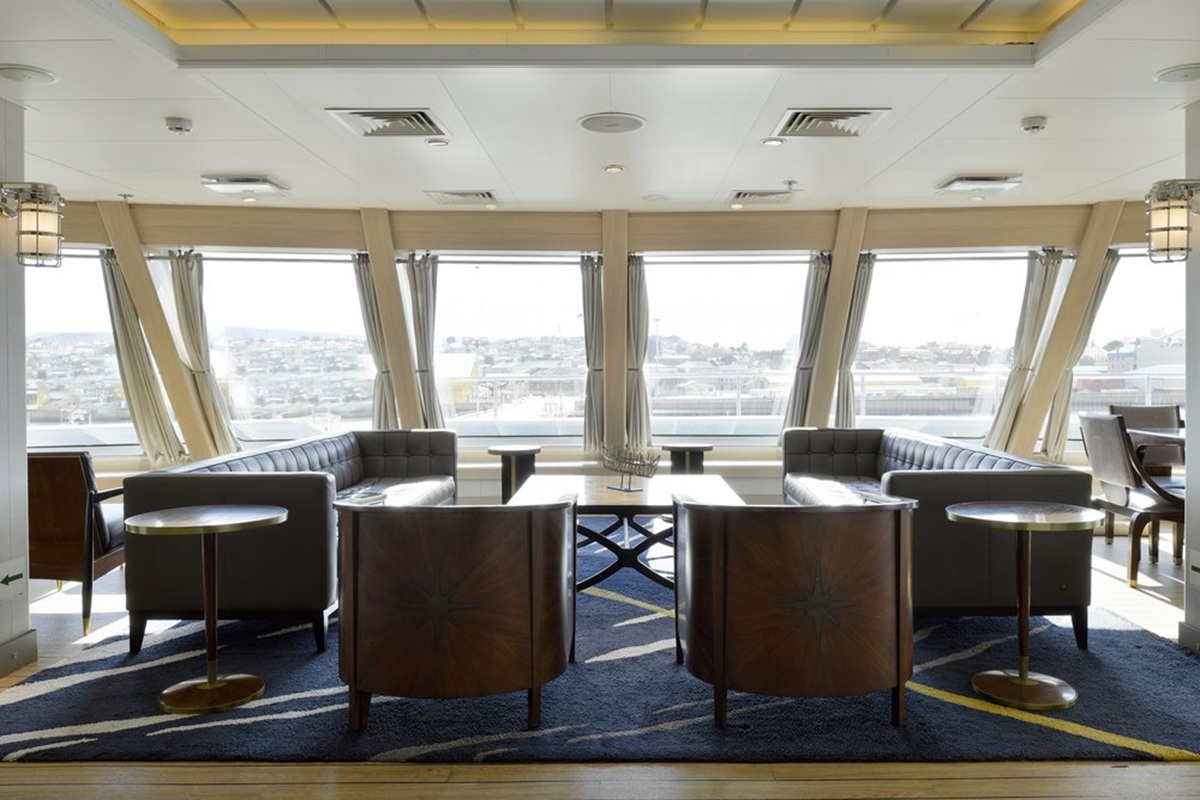
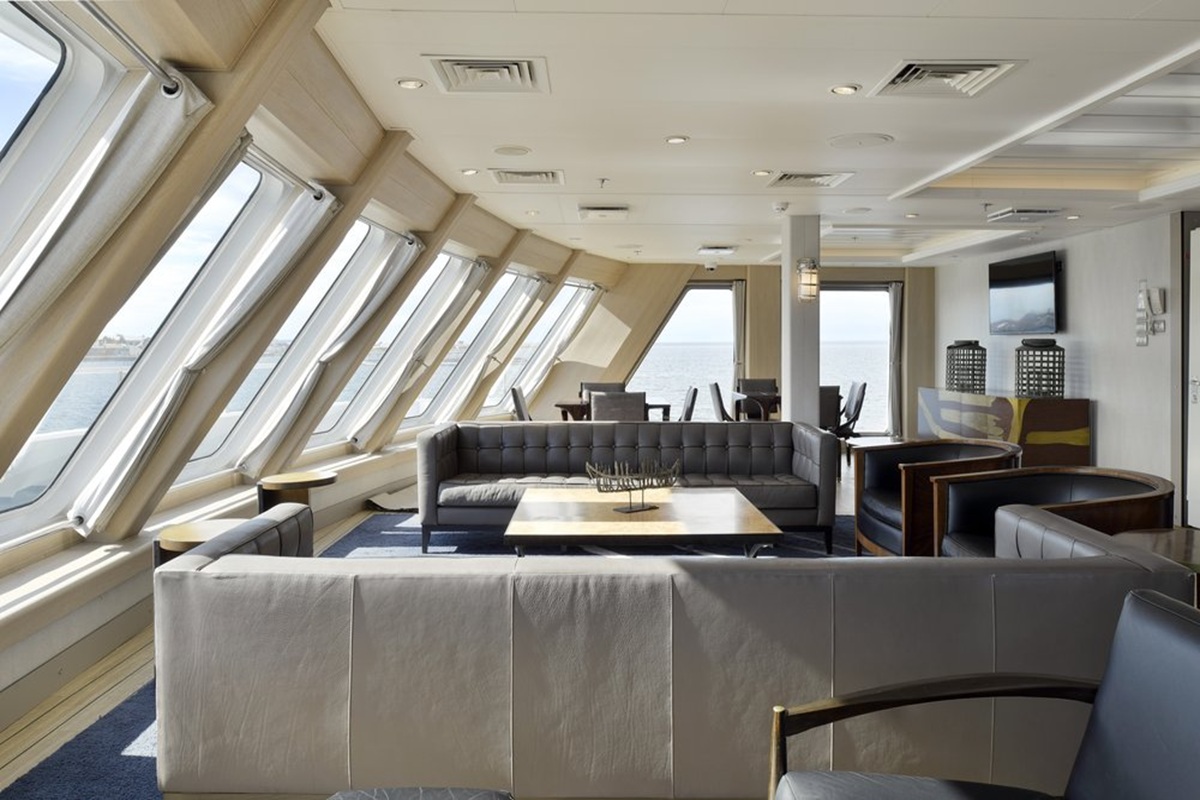
The below departures correspond to the Ventus Australis, you can use our advanced filters to help you search and find the most perfect voyage for you. Please note all prices are reflected in USD and are quoted per person.
Sort by