CO2 Emissions
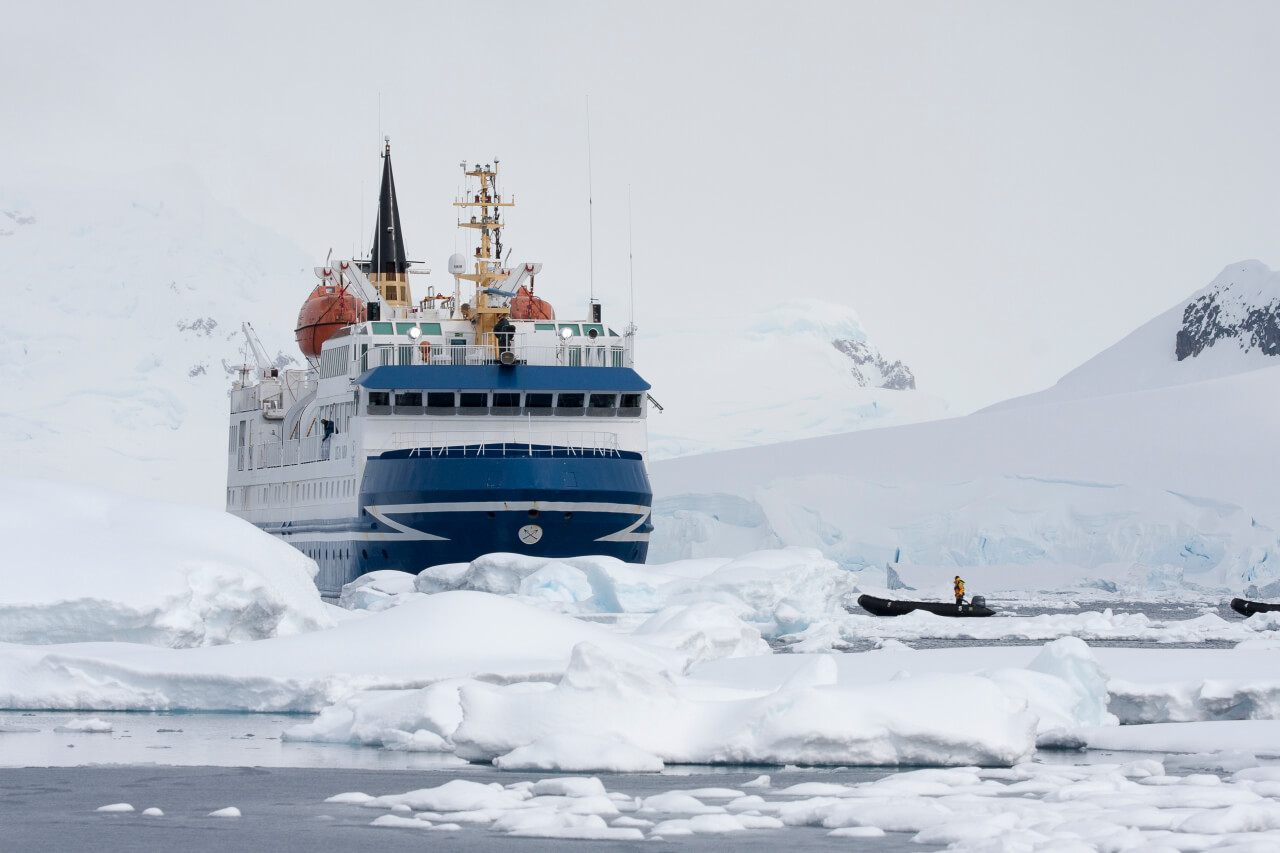
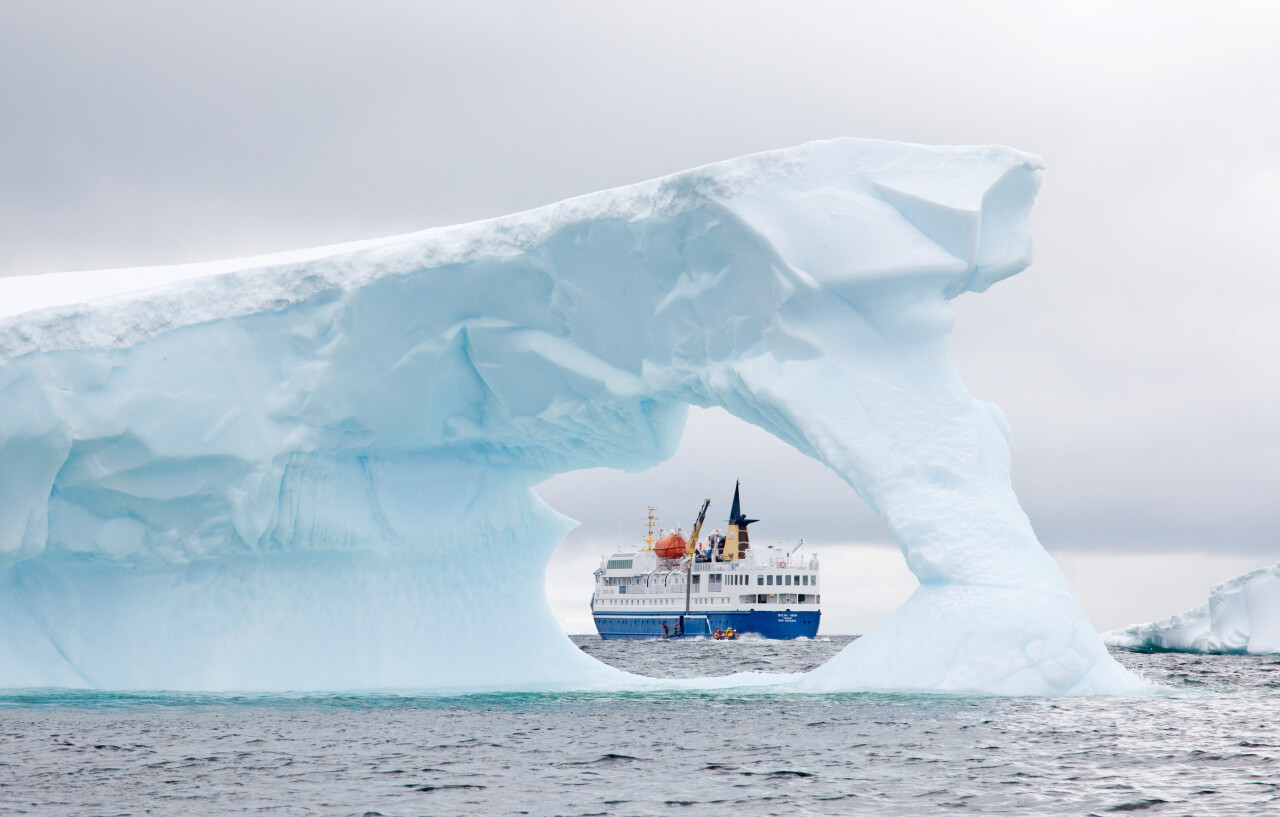
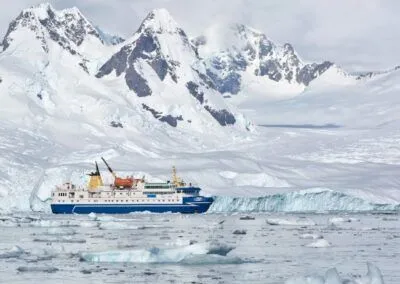
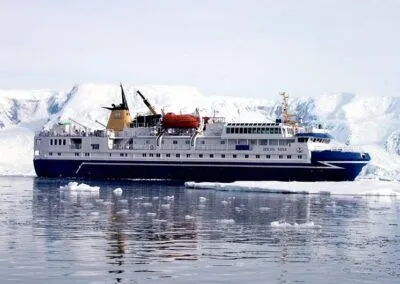
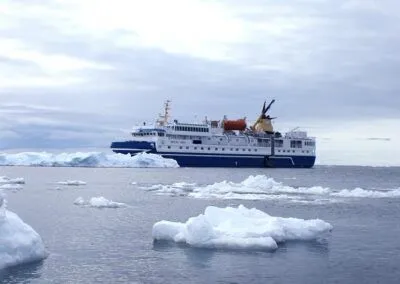
The vessel’s compact design and low fuel consumption result in one of the lower reported fuel-emission levels among Antarctic expedition ships, averaging approximately 3.5–4 metric tonnes of fuel per day. Its small passenger capacity further reduces the footprint per traveller.
Waste Management
Current operator information emphasizes efficient, low-impact operations and responsible practices, while Antarctic voyages follow IMO and IAATO environmental guidelines. Waste is managed onboard and handled according to applicable Antarctic requirements, with no evidence found of advanced water-recycling or heat-recovery systems specific to Ocean Nova.
Citizen Science Programs
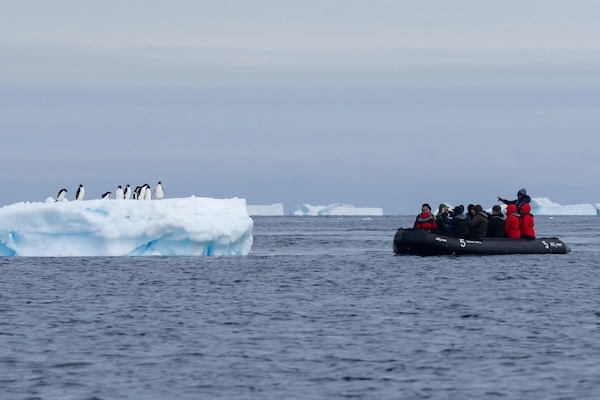
Citizen Science is an included activity with projects coordinated through the Polar Citizen Science Collective. Guests can contribute observations to ongoing research on wildlife, ecology and climate change, with projects varying according to scientific needs. The program supports long-term academic monitoring in remote polar regions, while onboard experts provide daily presentations on wildlife, geology and history.
Local First Initiative / Communities
Local partnerships and community engagement are prioritized through locally owned suppliers, guides and services, helping strengthen employment and economic opportunities in the regions visited. B Corp certification reinforces commitments to social and environmental responsibility, while the MAD Project and nonprofit partnerships support community wellbeing, science and conservation. Antarctic operations follow IAATO guidelines and the Antarctic Treaty System