Sign-up to receive our Best Deals!

    Scotland the Faroe Islands and Iceland

    0

    A paradise for birders, history lovers and adventurous travellers alike, this expedition cruise showcases the very best of these far-flung destinations.

    The adventure begins with an included hotel night in Glasgow, exploring its grand neo-Gothic architecture and cultural highlights. The spectacular Isles of Staffa, Iona and Lunga in the Inner Hebrides combine nesting seabirds and rich marine life with Gaelic, Norse and Scottish history. At the Isle of Shiant, Puffins, Guillemots, and dolphins abound. On Lewis, Viking history comes alive in Stornoway while the ancient Callanish Standing Stones, older than the Pyramids of Egypt, rise from a landscape shaped by some of the oldest rocks on Earth. The Orkney Islands reveal one of Europe’s richest Neolithic landscapes, later shaped by Viking heritage. Explorations of the Shetland Islands reveal seabirds, otters, iconic Shetland Ponies, dramatic coastlines, Viking heritage and archaeological treasures. Spend time exploring the Faroe Islands, including the southernmost island of Suðuroy, quirky capital Tórshavn with its Viking history, and Mykines’ dramatic scenery and bustling colonies of Atlantic Puffins.

    In Iceland, discover a dramatic world shaped by fire and ice where towering glaciers, enchanting fjords, remote wilderness and rare wildlife meet awe-inspiring landscapes. The picturesque Eastfjords of Seyðisfjörður offer spectacular hikes, while whale watching capital and Eurovision-famous Húsavík reveals the country’s rich maritime heritage. The volcanic landscapes of Mývatn provide premier birding opportunities, as does Vigur, also known as ‘Puffin Island’, while culture and spectacular scenery abound on Ísafjörður’s volcanic shores.

    Discover some of the North Atlantic’s most remote islands and iconic destinations by ship, Zodiac and on foot. This expedition includes the option to join sea kayaking excursions with an expert guide.

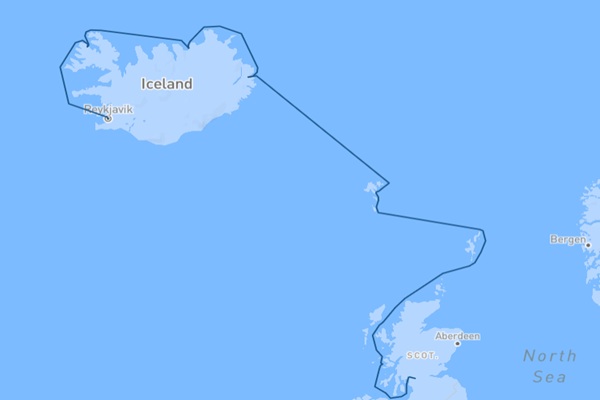
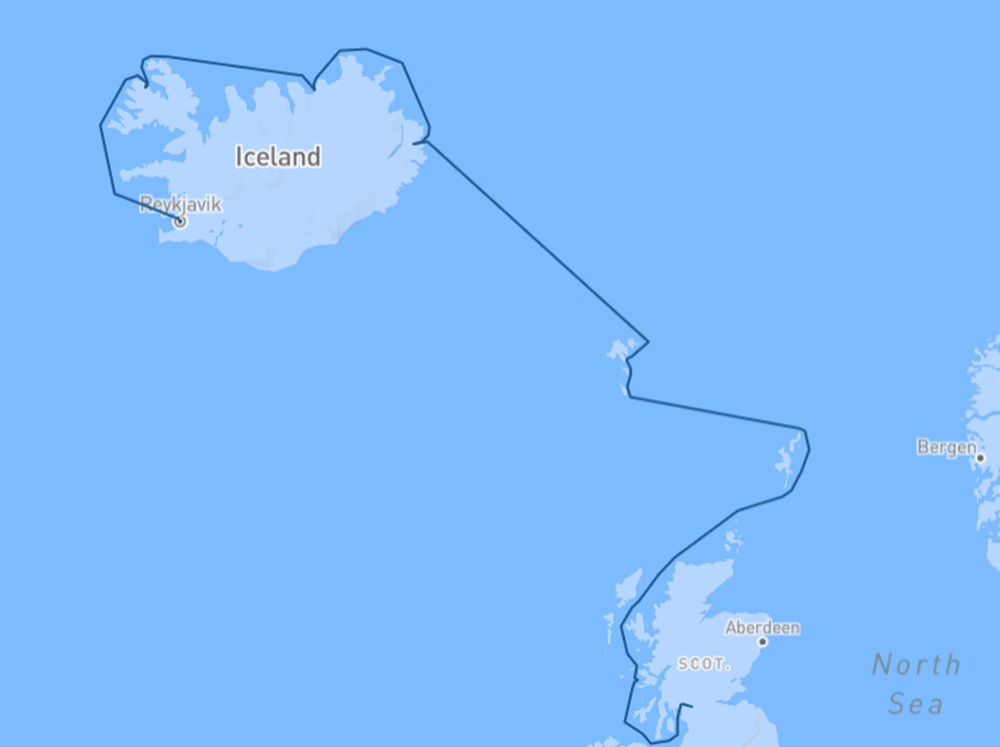
    Map/Itinerary

    Day 1Glasgow, Scotland

    Arrive at Glasgow, ‘the UK’s friendliest city’ and Scotland’s cultural capital. This buzzing port city on the River Clyde pairs stunning Victorian and Art Nouveau architecture with a rich maritime legacy, UNESCO City of Music status and one of the country’s finest exports – whisky. Make your way to your hotel, where you will spend the first night of the expedition. This evening, meet your fellow voyagers over dinner at the hotel.

    Day 2Glasgow

    After breakfast at the hotel, explore the world-class cultural attractions and architecture of the ‘Second City of the Empire’ and ‘City of Merchants’. This compact and walkable city has been the economic engine of Scotland since the 18th Century, where the neo-Gothic towers of the University of Glasgow sit alongside Art Nouveau masterpieces of Charles Rennie Mackintosh, futuristic glass towers and brightly coloured street art murals. Among the cultural highlights are Kelvingrove Art Gallery and Museum, The Burrell Collection, Tramway, Gallery of Modern Art and the stunning Glasgow City Chambers, which features more marble than the Vatican City. The captain and expedition team will welcome you on board, and you have time to settle into your accommodations and familiarise yourself with the ship. You are invited to join the expedition team in the Observation Lounge or out on deck.


    Day 3Isles of Staffa, Iona & Lunga

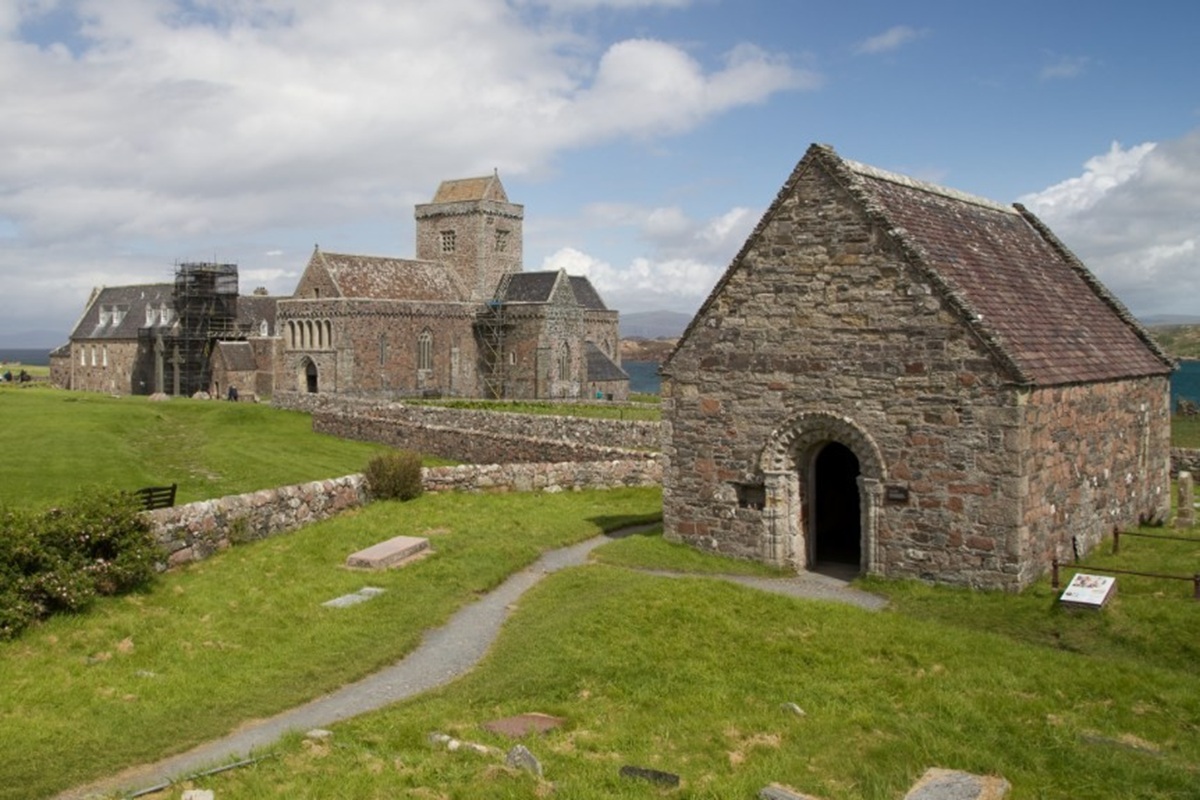
    Rising out of the sea, the spectacular monolithic Staffa is the first stop, its uninhabited rugged beauty the domain of nesting seabirds and seals, while Basking Sharks and Pilot Whales frequent its waters. Explore this tiny volcanic outpost’s famous basalt cliffs and even more famous Fingal’s Cave, formed millennia ago. Named after the hero of an 18th-century Scot’s poem and the inspiration behind Felix Mendelssohn’s dark and majestic ‘Hebrides’ Overture’ following a visit in 1829. This natural cathedral of hexagonal basalt columns with towering arched ceiling showcases nature’s design at its best. Next, visit Scotland’s ‘Cradle of Christianity’ on the tiny, 3.9 square kilometre island of Iona. Rich in a tumultuous history spanning Gaelic, Norse and Scottish occupation, Irish monk St. Columba built Scotland’s first Celtic church and monastery in 563 AD, where elaborate carvings, including what is believed to be the first Celtic crosses, and famed Book of Kells dating back to 800 AD, were created. The first of the Viking raids started in 806 AD, with the Celtic Church being replaced by the Roman Church. Visit the much-restored Benedictine Abbey complex, where two outstanding 8th-century crosses and a splendid collection of sculptures commissioned, or influenced by, the Chiefs of Clan Donald and their allies can be viewed. Nearby is the Reilig Odhrain, sacred burial ground of 48 Scottish kings. Other highlights include the views from Dun I, the highest point on the island and the ‘Well of Eternal Youth’ with its purported healing properties. The tiny wildlife haven of ancient lava flows, basalt columns and sea stacks known as Lunga, and named after its boat-like appearance. Here, some 6,000 seabirds including Atlantic Puffins, Guillemots (Murres), Razorbills, Shags, Fulmars and Manx Shearwaters, nest in large numbers while seals are often observed lounging on the surrounding rocks, and Common Dolphins frequent the waters. Explore this incredible island by Zodiac cruise.


    Day 4Isles of Shiant & Lewis

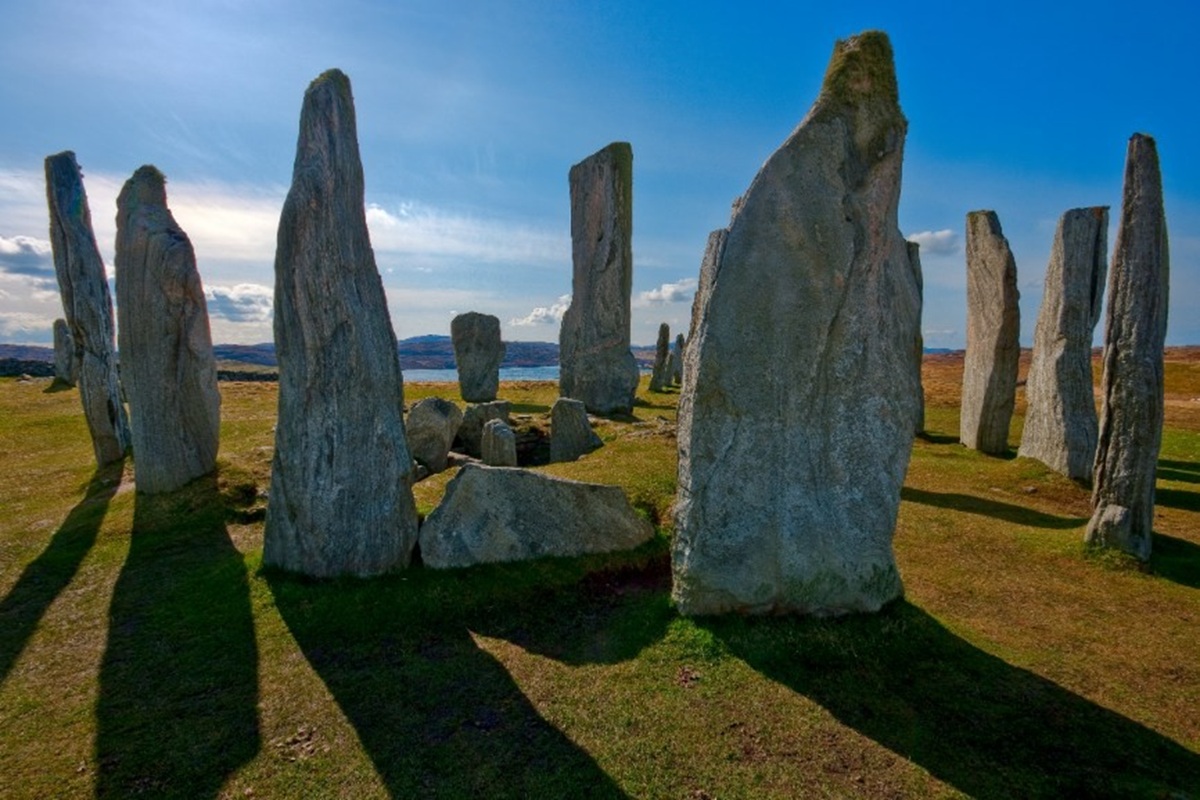
    Sailing west of the Scottish mainland to the Isle of Lewis, the largest of Outer Hebrides and home of Harris Tweed, Scotland’s largest Gaelic speaking community and an abundance of wildlife and unique heritage. En route, start the day’s adventure with a Zodiac cruise of the Shiant Isles, where dramatic basalt column sea cliffs towering more than 120 metres high and lush grasslands attract more than 300,000 seabirds to breed. It was here in 2009 that Europe’s oldest puffin, aged 34, was discovered. While Minke Whales, Harbour Porpoises, Risso’s Dolphins and Common Dolphins are all regular visitors to these waters. The sheltered harbour of Stornoway, the Lewis island’s bustling capital, founded by Vikings in the 800s, where locals live alongside eagles and otters. Soak up the atmosphere, explore the harbour, galleries, Lews Castle or the Harris Tweed Story Room where you can learn the traditional, hand-weaving methods of this iconic woollen fabric and pick up a memento of your visit. Visit the ancient Callanish Standing Stones, one of Britain’s most important Stone Age sites, and older than the Pyramids of Egypt. This Neolithic monument, built from ancient Lewisian Gneiss, is among the world’s oldest exposed rock, dating back to 2900 BC. Forming a Celtic cross-shaped pattern when viewed from above, they were buried in five metres of peat with just their tops exposed until they were excavated in 1857 by local landowner Sir James Matheson.

    Day 5Orkney Islands

    Adventures in Neolithic archaeology continue on the Orkney Islands. The beautiful port town of Stromness, where a rich maritime heritage and harbour are surrounded by stone houses and flagstone streets. Independent stores, galleries and studios fill laneways and are easily explored by foot – including the world-renowned Pier Arts Centre. An archipelago of 70 islands off the northern tip of mainland Scotland, Orkney is believed to have been inhabited for some 8,500 years by Vikings, Celts, Picts and Stone Age peoples and is home to some of the oldest and best-preserved Neolithic sites in Europe. Visit the prehistoric monuments, the Ring of Brodgar Stone Circle and Henge, an enormous ceremonial site dating back to 2000 BC and Maeshowe Chambered Cairn, a Neolithic tomb built around 5,000 years ago. It was broken into about 1,000 years ago by Norsemen, who left their mark with runic graffiti and the stunning ‘Maeshowe Dragon’ carving on its walls. Visit Kirkwall, Orkney’s colourful capital and historic town where towering St. Magnus Cathedral, dating back to 1137, makes it Scotland’s oldest, sits at its centre. Surviving Reformers, Cromwellian troops and wartime conflict, it is the most complete medieval cathedral in Scotland and, entombed within one of its pillars, rest the bones of St. Magnus himself.


    Day 6Shetland Islands

    This morning, sail into the historic port of Lerwick, cultural and historic heart of the Shetlands. Inhabiting the northernmost reaches of the United Kingdom, this Scottish archipelago of more than 100 wave-carved islands, where the North Sea meets the Atlantic Ocean, combines dramatic landscapes and towering cliffs with one of the world’s best beaches (Breckon), Viking Heritage, incredible wildlife, and its famous namesake Shetland Ponies. Those with an interest in history can explore Iron Age Clickimin Broch – a stone-built round house only found in Scotland, surrounded by centuries of structures dating from 1000 BC to 500 AD. Wander through Lerwick’s quirky, narrow stone lanes made famous by Detective Inspector Jimmy Perez in the BBC TV series Shetland, or visit the superb Shetland Museum and Archives, where prehistoric artefacts and maritime history tell Shetland’s story to the present day. The harbour is also an excellent place for wildlife photography, where Black Guillemots, Common and Arctic Terns and foraging Otters can be observed. There will also be an option to visit the archaeological wonderland of Jarlshof, where more than 4,000 years of Scottish history, from 2500 BC through to the 17th Century, can be explored at one of the most remarkable archaeological sites excavated in the British Isles.

    Day 7Suðuroy, Faroe Islands

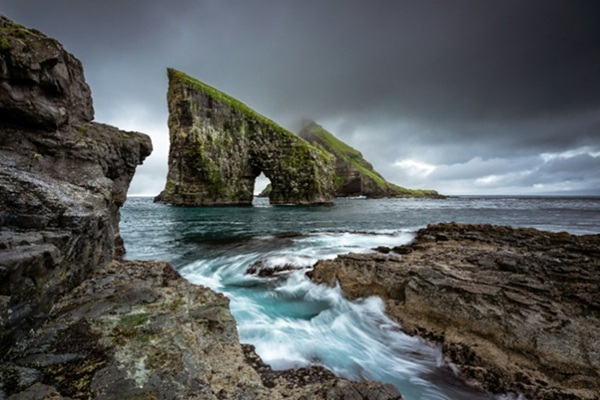
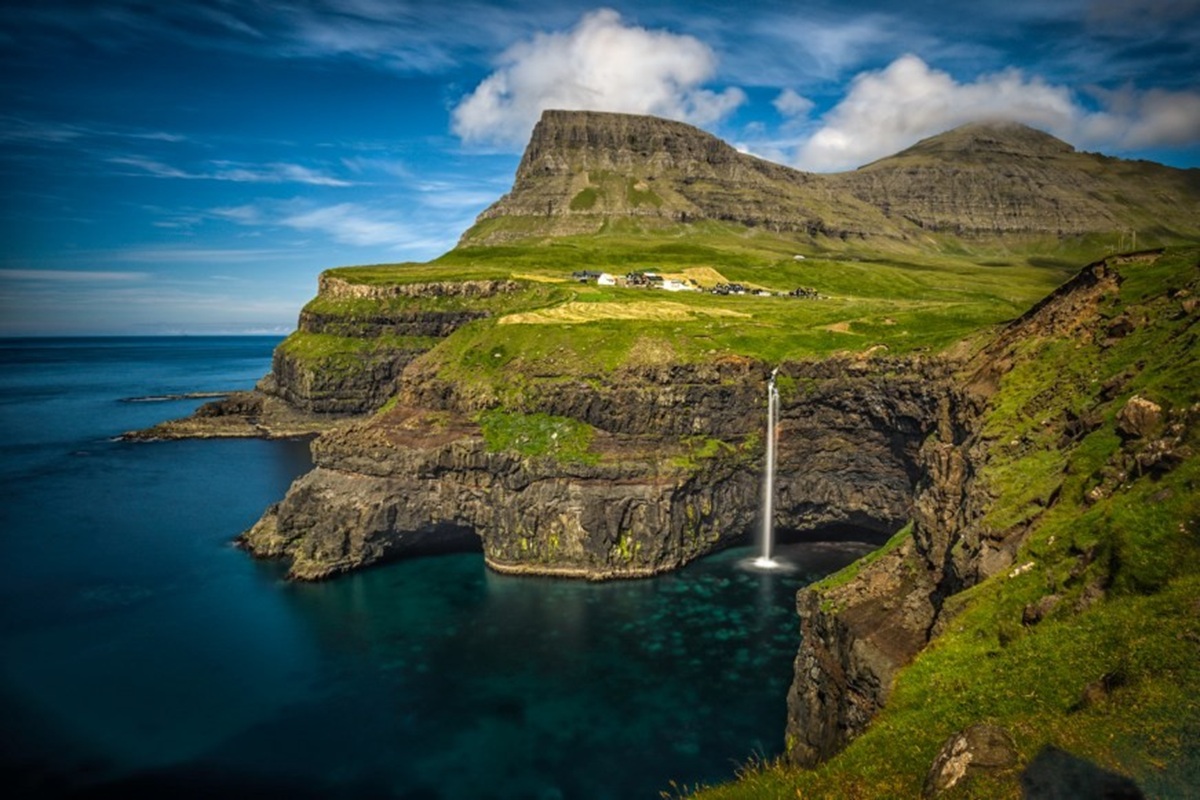
    Spend the morning at sea sailing towards the Faroes, an archipelago of 18 ruggedly beautiful self governing mountainous volcanic islands which form part of the Kingdom of Denmark. Enjoy lectures preparing for the adventures ahead, spend time in the Observation Lounge or on deck looking for seabirds and cetaceans. First mentioned in documents dating to the 14th Century, the charming village of Vágar is the main town in the southern part of Suðuroy, where stunning natural beauty meets rich Faroese culture and diverse wildlife. Located at the head of picturesque fjord Vágsfjørður, Vágar is framed by rolling emerald hills, with its prime positioning along the shore a reminder of its legacy as a vital trading hub. Explore this stunning landscape comprising 50 mountains, six villages, lakes, waterfalls and panoramic clifftop views overlooking skerries and sea stacks with your expedition team, and discover the town’s fascinating history.


    Day 8Streymoy

    Translating to ‘Thor’s Hammer’, Tórshavn blends outdoor adventures with epic history, all wrapped around a modern, small but cool city, and has been the effective capital since the Viking Parliament was established here in 850 AD. Kirkjubøur, the island’s oldest cultural centre and most significant historic site on the Faroes. Here, discover the ruins of the 13th-century Magnus Cathedral, and the Parish church Ólavskirkja, built in 1111 and still in use. Also visit the 900-year old farmhouse/museum Roykstovan í Kirkjubø, one of the oldest inhabited timber farmhouses since 1100, and former Bishop’s palace. For those wanting to stretch their legs, there will be the opportunity to join a hike in the hills surrounding the town to discover the flora and fauna and panoramic views. The afternoon is free to explore Tórshavn, including the excellent Faroe Islands National Museum, where you will find the Faroes’ national treasure – 16 ornately-carved wooden pew ends from the early 1400s featuring the 12 apostles, which were relocated from Magnus Cathedral.


    Day 9Mykines

    Today, spend the morning exploring the unspoiled beauty of the Faroes’ most isolated and furthest west island, Mykines. Famed for its stunning natural beauty, dramatic landscapes and spectacular views, along with some truly impressive sea stacks and towering cliffs jutting out of the ocean. At the colourful village of Mykines, the only village in the Faroes with the same name as the island, this once sizeable settlement now fills just 15 of the more than 40 houses in the village. With these families co-existing with the very unique, endemic mouse species, the Mykines House Mouse. It’s also famous for being a birdwatchers’ paradise, in paradise, and is a dedicated Ramsar site for wetland and seabird conservation, home to busy colonies of Atlantic Puffins, Guillemots, Razorbills, Fulmars, Kittiwakes, and Gannets. Enjoy lunch on board.

    Day 10Seyðisfjörður, Iceland

    Welcome to Iceland – Land of Fire and Ice. The picturesque natural harbour at Seyðisfjörður, which combines its fishing heritage and colourful 19th-century Norwegian architectural style with a creative spirit. Despite its secluded location, Seyðisfjörður has earned the reputation of being an Icelandic hub for experimental art, no doubt on the back of renowned Swiss artist Dieter Roth, who had a residence and studio in town and formed a local art collective in 1996, two years before he died. The Skaftfell Art Center was established in his honour. Join your guides on a walking tour exploring the famous Blue Church and Rainbow Lane to the Vestdalur Nature Reserve and Vestdalur Lake. An old mail route from 1880 – 1910, stacked rock constructions and cairns from this time are a reminder of the once busy thoroughfare. Pass several stunning waterfalls before arriving at the lake, which remains frozen most of the year. Here, look for some of the unique plants for which the valley is renowned. Nearby, explore the tiny cave where the ancient remains of the 30-year-old Viking-era ‘Mountain Lady’, who died in 940 CE, were found by workers in 2004, along with more than 400 glass and amber pearls and bronze brooches. You will also have the opportunity to explore the abandoned fishing village and whaling station Vestdalseyri, while German artist Lukas Kühne’s mountainside sound sculpture Tvísöngur (Duet) provides an eerie soundtrack to stunning views over the fjord via a series of five interconnected domes. Each one reflects a different tone from Icelandic music’s traditional five tone harmony.

    Day 11Húsavík

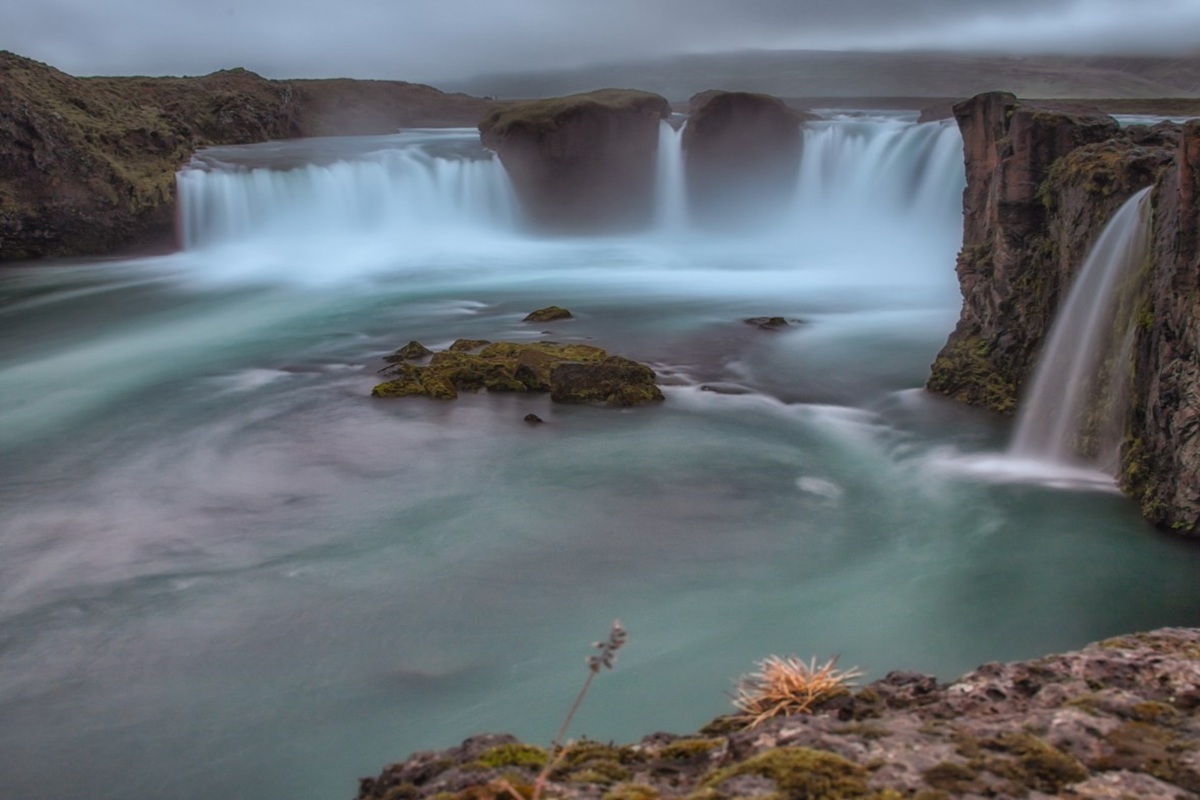
    Today, explore the many charms of Húsavík, a small town overlooking Skjálfandi Bay, known as the whale watching capital of Iceland and immortalised in the parody Eurovision song ‘Húsavík – My Home Town’ in the Eurovision Song Contest: The Story of Fire Saga film. Once the centre of the Icelandic whaling industry, today it enjoys a thriving whale watching industry where Humpback and Minke Whales can be observed alongside White-beaked Dolphins and Harbour Porpoises in the rich feeding grounds of Skjálfandi Bay. Explore Húsavík’s whaling history at the Whale Museum, where you will find an upside-down Blue Whale skeleton in the renovated former slaughterhouse. Eurovision fans will want to visit the Eurovision Museum and bar Jaja Ding Dong, and venture inland to discover the spectacular sight of Goðafoss waterfall, or ‘waterfall of the gods’, where Skjálfandafljót River crashes 12 metres down volcanic basalt, resulting in a 30-metre-wide horseshoe-shaped cascade. Explorations continue at Mývatn, a stunning volcanic lake rich in wildlife formed around 2,300 years ago and surrounded by hot springs, lava fields, bubbling mud pools, sulphur vents and striking geological formations revealing the activity which continues to shape Iceland’s landscape. The lake is also a renowned birding site, attracting Whooper Swans, Arctic Terns, Red-necked Phalaropes, Great Northern Divers, Eurasian Wigeons, Tufted Ducks, Greater Scaups, Barrow’s Goldeneyes and Northern Shovelers, among others. Though it is named ‘Midges Lake’ for a reason, the tiny insects are prolific here in summer and an important part of the ecosystem; don’t forget to pack your insect repellent.

    Day 12Vigur & Ísafjörður

    This morning, explore the small, family-owned private island and wildlife sanctuary of Vigur. Just two kilometres long and 400 metres wide, it was named for its spear-like shape but is also known as ‘Puffin Island’. More than 60 species of birds can be seen on the island, including 100,000 Atlantic Puffins, 1,500 Black Guillemots, 1,700 Arctic Terns and more than 7,000 Common Eiders. The sixth generation farming family still practice the same sustainable eiderdown harvesting traditions of this valuable commodity. During explorations here, discover Europe’s smallest post office and Iceland’s only windmill, dating back to the 1840s. Just a short distance away is the small fishing community of Ísafjörður, a 16th-century trading post and now cultural epicentre located in the heart of the famed Westfjords region. Renowned for its scenic beauty and expansive wilderness, it is the least-populated region in Iceland and, with its layered volcanic fjord shores, is considered one of its most scenic. An afternoon visit to Ísafjörður is planned to explore the Hornstrandir Nature Reserve, or the town’s museums, galleries, and artisan workshops.

    Day 13Reykjavík

    Early this morning, arrive in Reykjavík, Iceland’s trendy capital, where a cutting-edge arts and culture scene rubs shoulders with historic monuments and lively nightlife. It’s also the world’s northernmost capital of a sovereign state. After a final breakfast, take a complimentary coach transfer to a central city location or Keflavík International Airport.

    Inclusions/Exclusions

    This expedition includes:

    • Local payment
    • One night hotel accommodation in Glasgow in a twin share room (incl. dinner/breakfast)
    • Transfer to ship
    • All on board ship accommodation with meals
    • House beer, wine and soft drinks with lunch and dinner
    • All expedition shore excursions
    • Programme of lectures by noted naturalists
    • Airport transfer in Reykjavík to a central city location or Keflavík International Airport


    This expedition excludes:

    • All items of a personal nature such as laundry, bar drinks and gratuities
    • International/domestic flights
    • Visas and travel insuranc
    • Sea kayaking

    Prices

    Filter all trips

    Regions

    Destinations

    Price

    Vessel Category

    Month

    Year

    Duration

    Sort by

    Start: May 22, 2027

    End: Jun 3, 2027

    Departure: Glasgow

    Arrival: Reykjavik

    Heritage Discoverer

    Duration: 13 Days

    Show Prices
    From$11,500$9,850
    Photos

    Contact Us