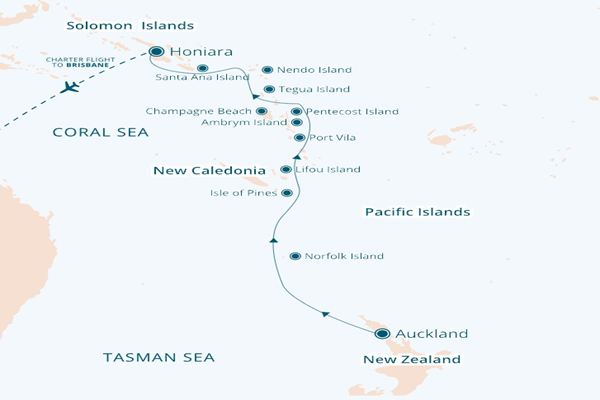
Discover the beauty and cultural diversity of the South Pacific on an unforgettable expedition from Auckland to Honiara. Cruise through turquoise waters and visit remote islands across New Zealand, New Caledonia, Vanuatu and the Solomon Islands, where white-sand beaches, vibrant coral reefs, volcanic landscapes and rich island traditions create an extraordinary journey. From the Isle of Pines and Lifou to Ambrym, Pentecost, Champagne Beach and the historic shores of Guadalcanal, each destination offers a unique blend of pristine nature, fascinating history and authentic local culture.
New Zealand’s largest city, Auckland, sprawls across volcanic hills and harbours. It’s a vibrant, multicultural metropolis with steep streets and cultural attractions like the Auckland Art Gallery and Auckland War Memorial Museum with Maori treasures (taonga) and exhibits on New Zealand. The revitalised dockside area, Britomart, is home to chi-chi shops, restaurants and bars, and the 328 m (1,076 ft)-high Sky Tower offers breathtaking views
Spend your day at sea enjoying the facilities available onboard. Head to the sauna, get in a workout in the state-of-the-art gym or relax in the hot tub while taking in incredible views along the way. If you prefer to learn a little more about your surroundings, listen to an informative talk or have a chat with one of our knowledgeable experts
Halfway between New Zealand and Australia, Norfolk Island, a self-governing Australian territory, has a unique history. Captain James Cook claimed it for Britain in 1774, becoming a convict colony in 1788. In 1856, The Bounty mutineers’ descendants were relocated here. The island’s association with the Bounty mutiny and its penal past is captured in ruins, buildings, and four museums that recount the lives and hardships of the early inhabitants
Spend your day at sea enjoying the facilities available onboard. Head to the sauna, get in a workout in the state-of-the-art gym or relax in the hot tub while taking in incredible views along the way. If you prefer to learn a little more about your surroundings, listen to an informative talk or have a chat with one of our knowledgeable experts
The Isle of Pines (Île des Pins) in southern New Caledonia is famed for its white-sand beaches, turquoise bays and pine forests that inspired its name when Captain James Cook arrived. At Oro Bay, a natural coral pool shelters colourful fish in crystal-clear water, while north of Baie de Kuto lie the remains of a 19th-century penal colony. Scenic hiking trails lead through the pines to N’ga Peak (262?m) for sweeping views of the island and beyond
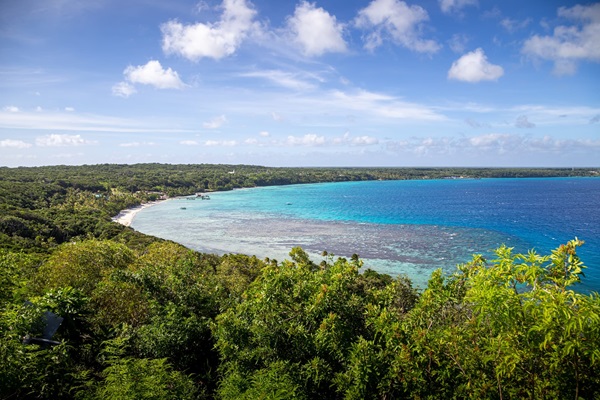
Lifou, New Caledonia’s most scenic spot, is the largest of the Loyalty Island archipelago’s three coral islands with sheltered bays, picturesque cliffs, and secluded sandy beaches like Luengoni Beach. Local Melanesian people live in traditional circular huts. in harmony with nature. Vanilla is the island’s main produce, and the House of Vanilla shares its production secrets and history. Snorkelers can explore vibrant reefs near the Jokin Cliffs
Port Vila, capital of Vanuatu on Efate Island, has a long Melanesian history later influenced by Portuguese, British and French settlers. Today it is a lively, yet down-to-earth destination with totem poles, waterfront cafes and bars, and the bustling Mama’s Market. Top attractions include the National Museum of Vanuatu displaying tribal artefacts, Ekasup Cultural Village where visitors join in traditional song and dance and the Summit Gardens
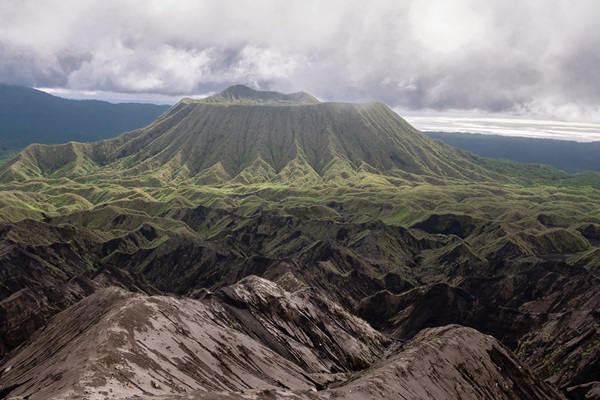
Ambrym Island is part of Vanuatu’s Y-shaped, volcanic archipelago, spanning 1,300 km in the South Pacific. The fifth largest of Vanuatu’s 80 islands, Ambrym features black-sand beaches and the awe-inspiring twin volcanoes of Mount Marum and Mount Benbow. Lush rainforest covers Ambrym, where villagers practise traditional magic and create renowned sand drawings. Kava, made from the root of the local plant, is the ceremonial drink
Pentecost Island
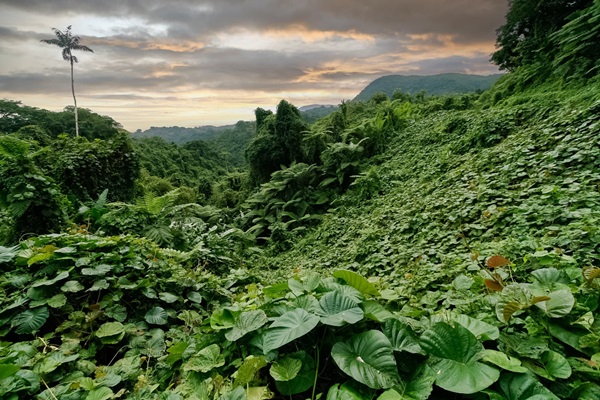
Lush and mountainous, Pentecost reveals a quieter side of Vanuatu: rainforest trails, coastal villages, clear tropical waters, and kastom traditions that remain woven into daily life. The island also offers opportunities for swimming, snorkeling, and nature walks
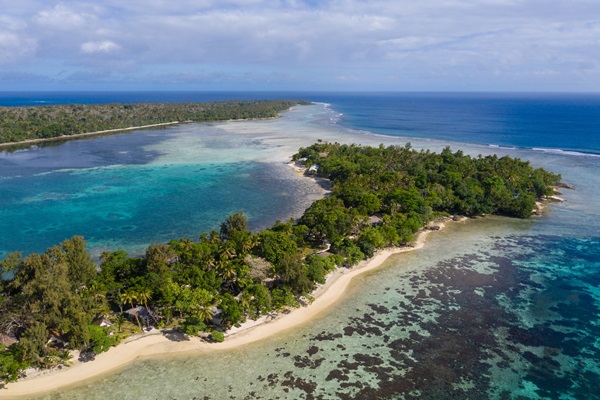
Fine, powdery white sand and brilliantly turquoise water make Champagne Beach on Espiritu Santo Island, Vanuatu one of the most exceptional beaches in the South Pacific. Named for the seawater that fizzes and bubbles at low tide (caused by volcanic activity), the crescent-shaped bay is a tranquil spot for swimming, snorkelling or simply lounging in the sand in the shade of coconut palm trees
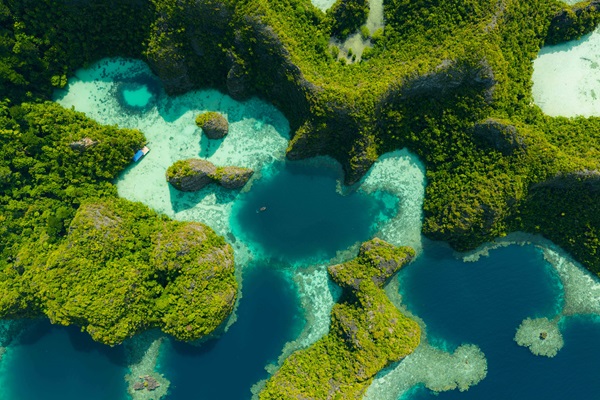
Tegua island, a half-moon-shaped speck of land less than four miles long and 10 miles wide. It’s one of five coral atolls in the Torres Group, 650 miles north from Efate. Visitors to Tegua are few and far between; life is lived here at a slow pace. The effects of climate change and rising sea levels is seen where villagers – declared the world’s “first climate change refugees” – have been relocated higher into Tegua’s interior
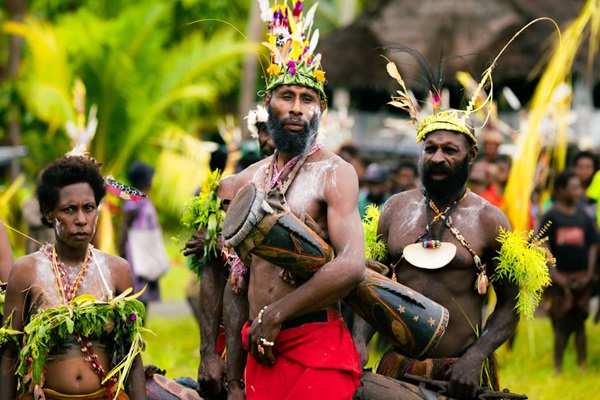
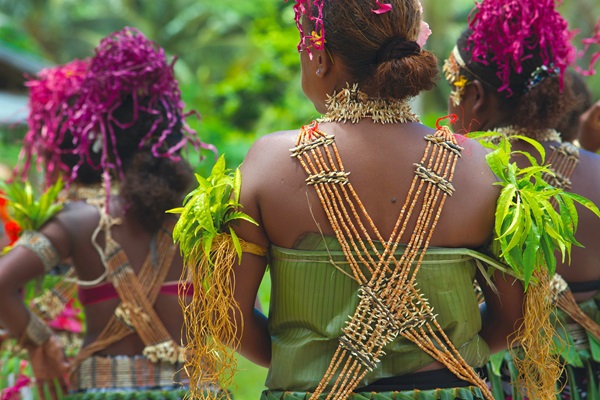
Nendo (also known as Ndeni or Santa Cruz Island) lies in the remote southeastern Solomon Islands, within Temotu Province. The largest island in the Santa Cruz archipelago, Nendo maintains a distinct culture from the rest of the Solomons. Villages preserve traditional practices: residents in palm-leaf dress grill fish on hot stones and inhabit jungle dwellings. The island is notable for its traditional currency, Tevau or “Red Feather Money,” crafted from scarlet honeyeater feathers
The capital of the Solomon Islands, Honiara sits on the northeastern coast of Guadalcanal at the mouth of the Mataniko River. A relatively new city, it grew up around a U.S. military base during and after WWII. In 1952 it superseded Tulagi as the premier city of these islands. Honiara’s U.S. War Memorial provides a comprehensive war-history lesson of the area. Today the town is laid-back and relatively tourist free with a real-life atmosphere
Inclusions
Exclusions