Sort by

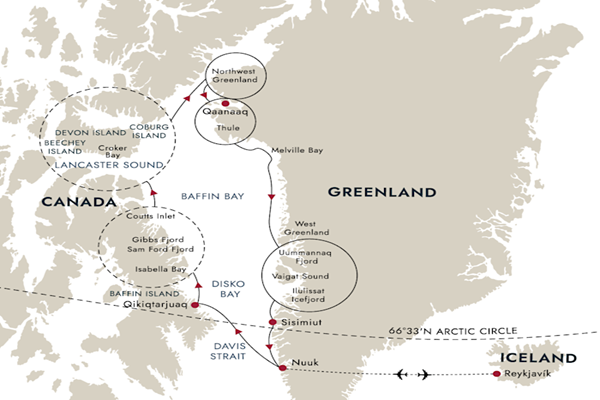
Explore the western Arctic on a 21-day expedition around Baffin Bay, from the remote coast of Baffin Island and Devon Island to the fjords of Northwest Greenland and the spectacular icebergs of Disko Bay. Discover Inuit culture, historic exploration sites and remarkable Arctic wildlife, including whales, walruses, narwhals and polar bears.
Explore the world’s northernmost capital, Reykjavík
Your adventure begins with an overnight stay in Reykjavík.
A laid-back city of art, culture and history, delightful Reykjavík is well worth spending some time getting to know it.
Take a stroll along Laugavegur with its boutiques and outdoor shops, gaze in awe at the striking Hallgrímskirkja church, and drop in on the fascinating Reykjavík Art Museum.
If you have the time, we recommend booking a Pre-Program with us and discovering some of Iceland’s natural highlights before your cruise begins.
Welcome to the capital of Greenland
You’ll have an early start today as we depart Reykjavík and fly to Nuuk.
Nuuk is Greenland’s colorful and compact capital with a population of fewer than 20,000. Located just 150 miles from the Arctic Circle, this picturesque city is a striking mix of old and modern buildings, set against a backdrop of the mountainous peaks Quassussuaq and Ukkusissat.
Your expedition ship awaits you in the harbor. After being welcomed aboard and collecting your complimentary expedition jacket, it’s time to settle into your cabin before enjoying your first dinner on board.
Crossing the Arctic Circle
Sailing towards the Arctic Circle, your Expedition Team will brief you on the AECO rules and recommendations regarding visiting the Arctic region safely and responsibly. Make sure you attend these mandatory presentations if you want to join planned landings as we head north.
You can also enjoy the state-of-the-art ship facilities and join the first lectures on Arctic Canada-related topics such as ornithology, geopolitics and culture. You’ll also learn about the Citizen Science projects we run on board the ship.
At some point during the sailing, we’ll cross the Arctic Circle, entering the lands of the midnight Sun at the height of summer.
Cross into the majesty of the unknown
The shores of Baffin Island (Qikiqtaaluk) are guarded by ice for most of the year. In August, the ice begins to recede, allowing ships to navigate these waters for just a short period of time. The sea ice environment around the island is a natural wonder that creates a rich habitat for wildlife.
Our objective is to reach the small settlement of Qikiqtarjuaq, where we hope to begin our adventures in Arctic Canada.
In true explorer style, our route will be determined by the presence and concentration of sea ice. We will plan our excursions and landing sites in consultation with local communities, so as not to disrupt their seasonal activities.
Possible destinations include:
Isabella Bay (Ninginganiq)
Ninginganiq (Isabella Bay) National Wildlife Area is a critical habitat for Arctic wildlife, most notably bowhead whales. As a summer feeding ground for these massive marine mammals, it’s a crucial area for their conservation.
Sam Ford Fjord (Kangiqtualuk Uqquqti) and Gibbs Fjord
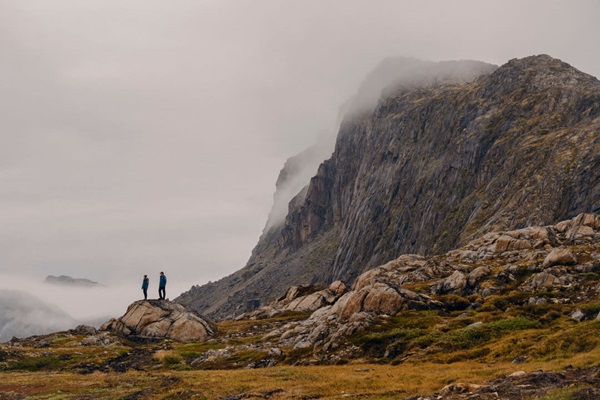
With towering peaks and epic glaciers, these fjords are renowned for their impressive scenery and are popular with nature enthusiasts and adventure seekers alike. This area is rich in wildlife, with marine mammals like seals and whales, and a variety of bird species.
Coutts Inlet (Inalugaarjuup Kangiqłua)
Experience the solitude and serenity of this remote and seldom-visited wilderness. The 50-mile-deep fjord system contains two arms: the “North Arm” and the main inlet itself. One of the Arctic’s most elusive species, the narwhal, can be found here.
Sailing to the gates of the Northwest Passage
After a few days of exploration, enjoy a day at sea and prepare for what lies ahead as we continue northward to the entrance of the Northwest Passage.
Days at sea are the perfect time to relax on board, perhaps chatting with new friends in the Expedition Lounge & Bar, catching up on any lectures you may have missed and enjoying leisurely lunches. If you haven’t tried the hot tubs yet, now’s your chance.
Lancaster Sound and Devon Island
Welcome to Lancaster Sound (Tallurutiup Imanga), the gateway to the Northwest Passage.
This breathtaking sound is home to incredible scenery, iconic Arctic wildlife and colorful Inuit communities. We plan to sail deep into the sound, and over the course of three days in the area, our possible exploration sites include:
Dundas Harbour
This historic and scenic site is on the southern shores of Devon Island. The harbor is a former Royal Canadian Mounted Police (RCMP) post, and it was also a base for scientific research and exploration. It’s a great spot for a hike, and musk oxen are frequently seen along the peninsula.
Beechey Island (Iluvilik)
This site holds a significant place in the history of Arctic exploration, as it is known particularly for the ill-fated Franklin expedition in the mid-19th century. The island is home to several well-preserved grave sites of expedition members and a monument commemorating Arctic exploration efforts.
Croker Bay
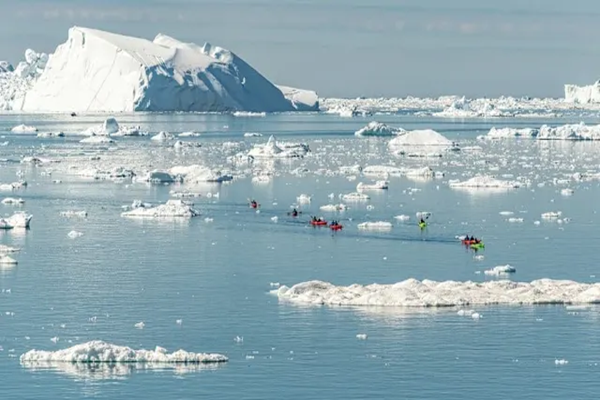
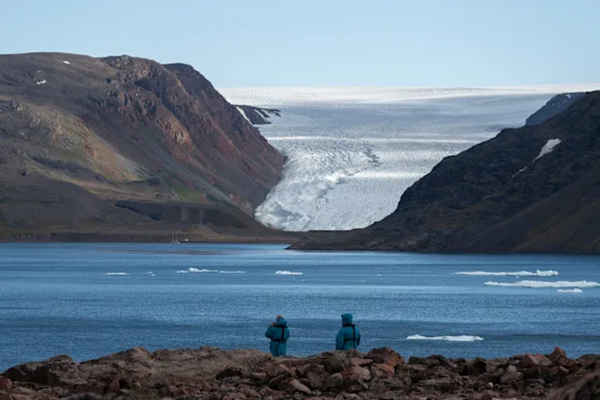
A picturesque bay on the south coast of Devon Island. With two large outlet glaciers streaming down from the island’s ice cap, this is an excellent place for small boat cruising. You may even spot walruses lounging around the calved ice floes.
Coburg Island (Nirjutiqarvik)
This island is a protected National Wildlife Area, and it lives up to its Inuktitut name, Nirjutiqarvik, meaning “The Place of Animals.” The island is renowned for its significant seabird colonies, including large populations of thick-billed murres and northern fulmars, and it’s an important feeding ground for marine mammals.
Enjoy a day of adventure in the far north
Before your adventure continues to northwest Greenland, enjoy a day on expedition in the north of Baffin Bay.
From landings to kayaking, be ready for anything as your Captain and Expedition Team decide on the best sites and activities based on the day’s conditions. Land at sites linked to early exploration history, visit Inuit communities and look out for Arctic wildlife such as whales, narwhals, seals and seabirds.
Explore life at the edge of the world
“Ultima Thule” was the term used in the 4th century BC by the Greek explorer Pytheas to describe a mythical land in the far north. Nobody knows for sure which land Pytheas had in mind when he coined this name, but for some, it has come to refer to the far north in Greenland.
As we explore here, expect wild beauty at the edge of the inhabitable world. Extreme climatic conditions all year round guarantee isolation and tough living conditions for the inhabitants and, even by Arctic standards, the Thule region is harsh and remote. And yet, this was the first region in Greenland ever to be colonized by the forerunners of the Inuit, somewhere around 4,500 years ago. How they managed to survive and thrive in that environment still puzzles Arctic archaeologists.
The abundant bird and animal life provides sustenance, and the traditional hunting culture has survived better here than elsewhere in Greenland. The polar travel know-how of the locals has been highly sought after on European and American expeditions, either as guides or saviors. In fact, thanks to its position, the region has been the natural starting point for many travelers heading towards the North Pole.
While always adapting our program to the changing weather and ice conditions, we will spend the next few days exploring the region. We aim to visit some of the local communities, land with expedition boats to marvel at the power of nature, sail through icy channels and—with a bit of luck—spot some of the giants of the Arctic, including walruses, orcas, narwhals, belugas and perhaps even polar bears.
Relax and learn at sea
We’ll spend the day on the open seas crossing Melville Bay. This is a huge bay bordering the icy coast of Lauge Koch, where the ice caps meet the sea. Known by the locals as Qimusseriarsuaq, meaning “The Great Dog Sledding Place,” the bay was renamed by British explorers after Robert Dundas, 2nd Viscount Melville, in the mid-19th century.
Enjoy your day as we sail well beyond 70 degrees north. Relax on board, join in with wildlife watches out on deck with the Expedition Team, and learn more about the Arctic with the ongoing series of lectures on topics such as nature, geology and mythology.
Discover the wonders of west Greenland
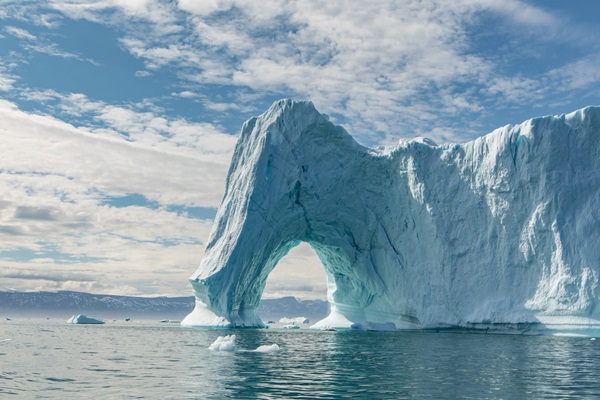
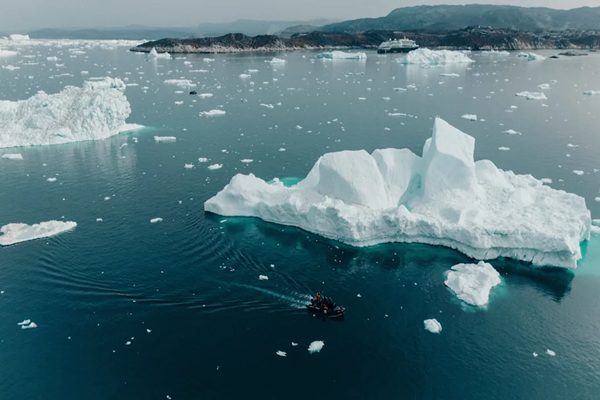
The final chapter of our epic voyage around Baffin Bay takes us to an area of extreme natural beauty: the fjords of West Greenland and Disko Bay. Known as the “iceberg factory of the Arctic,” this area produces the most ice of anywhere in the Northern Hemisphere.
As always, nature is in charge and our exact route will depend on the weather and ice conditions on the day. Possible landing sites include:
Uummannaq Fjord
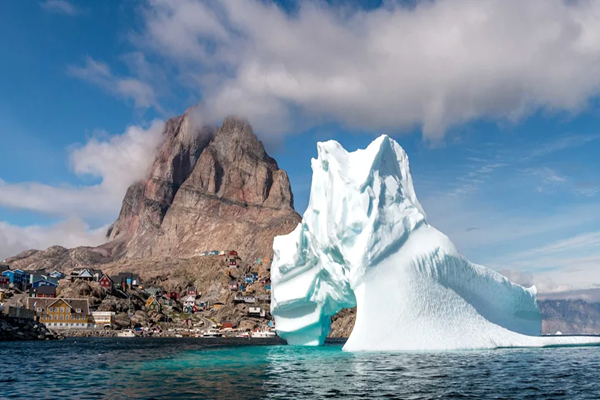
In Greenland’s far north, the beauty of the land and the relative productivity of the environment have attracted people here for thousands of years. Intriguing archaeological sites are silent witnesses to the ability of Arctic people to thrive in such a harsh environment. We may visit the community of Uummannaq—a beautiful island town with a heart-shaped mountain—or the archaeological site of Qilakitsok, where the famed Greenland mummies were discovered.
Viagat Sound
Also called Sullorsuaq Strait, this beautiful waterway sits between two rugged land masses at the north end of Disko Bay. Depending on the weather and wildlife conditions, we might use our small expedition boats to land on a beach or perhaps get up close to a glacier. Have your binoculars and camera ready, as wildlife sightings in this region can include humpbacks, orcas and bowhead whales, as well as several types of seals.
UNESCO-listed Ilulissat Icefjord
This spectacular UNESCO World Heritage Site regularly tops the list of things to see and do in Greenland. Marvel at giant icebergs floating placidly in the deep blue water as they take on different hues of white, gray and blue. All photographers, regardless of skill, will return to the ship with enviable images. Visit the Icefjord Centre in Ilulissat to learn more about the ice in this fascinating area, and take a hike to Sermermiut to drink in the incredible views.
A modern town on the edge of the wilderness
On our journey south we’ll visit Sisimiut, which lies 25 miles north of the Arctic Circle. The modern town has grown alongside ancient remains that date back to more than 4,000 years. You can learn more about the ancient Saqqaq cultureat the interesting local museum. If you’re looking for a special souvenir, pick up a scarf, hat or mittens made of qiviut, the inner wool of a musk ox, said to be 10 times warmer than sheep wool.
Return to Nuuk
Today, as we arrive back in Nuuk, you’ll have completed your voyage around Baffin Bay. Say a fond farewell to MS Roald Amundsen, her crew and the Expedition Team.
Nuuk is a relative metropolis compared to all the other towns in the country you have visited over the last couple of weeks, and it’s a fascinating window into modern Greenland.
From here, you’ll catch a flight back to Reykjavík and enjoy an overnight stay at a local hotel.
See more of Iceland’s capital
Your adventure concludes in Reykjavík, giving you another chance to explore Iceland’s stylish capital.
If you want to discover more, you can join our optional Post-Program before heading home. Or simply extend your stay and enjoy Reykjavík and its surrounding geothermal attractions.
This itinerary includes:
This itinerary excludes:
Sort by