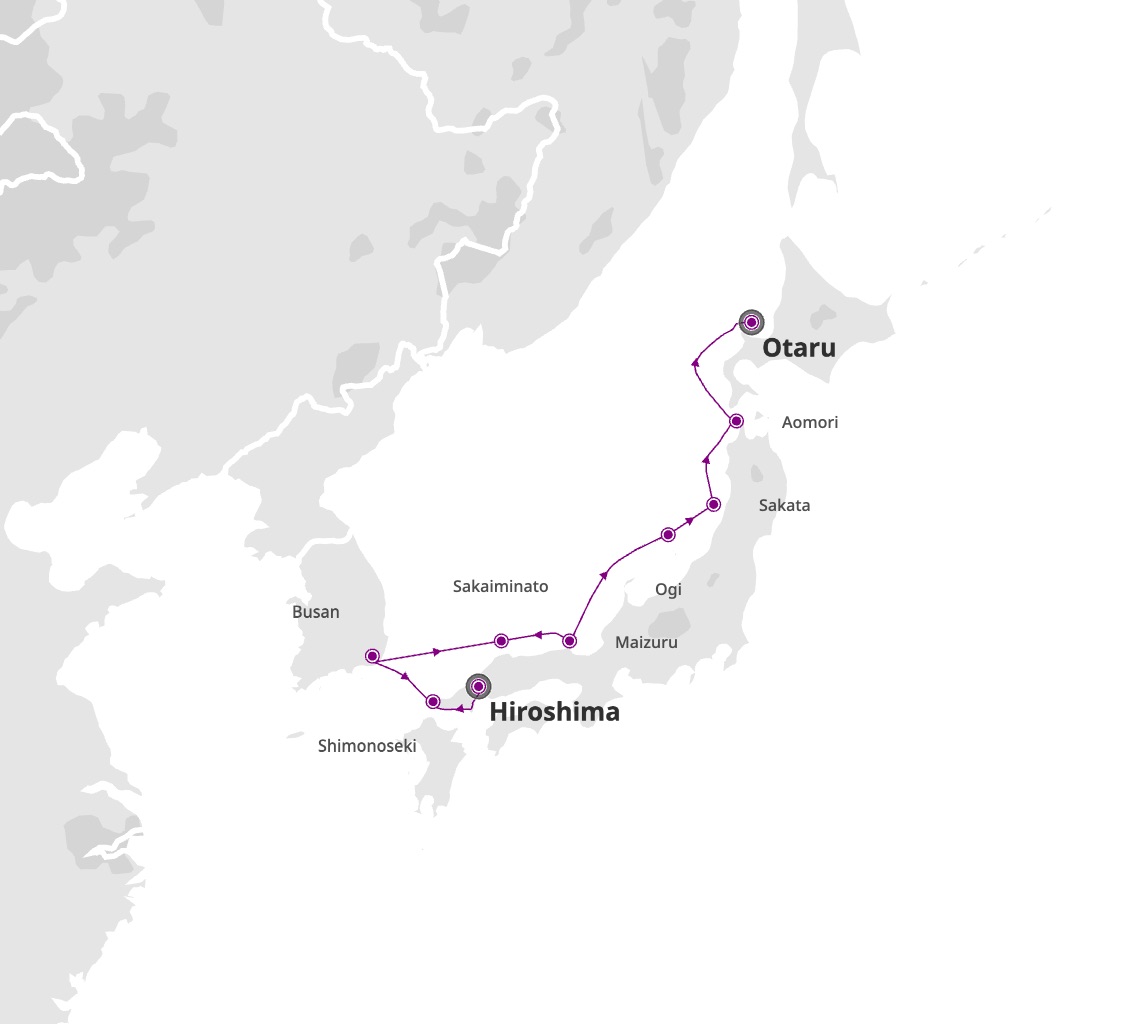
Sail from Hiroshima to the northern island of Hokkaido on a 11-night journey along Japan’s rugged west coast and into Korean cultural heritage. From historic harbours and volcanic hinterlands to traditional fishing towns and vibrant art districts, each port offers insight into centuries of regional identity shaped by the Sea of Japan. The route combines maritime passages, cultural visits, and scenic coastal landings for a balanced, immersive exploration of East Asia.
Hiroshima is a city of quiet strength, where modern life sits beside places of remembrance. It is also a gateway to nearby sacred landscapes, with calm coastal scenery and a strong sense of local tradition. It is an opening that sets a thoughtful tone for the voyage
Beppu
Beppu is best known for Jigoku Meguri (“Boiling Hells”) – seven vivid geothermal springs too hot for bathing but offering stunning colours, bubbling mud and soaring steam. Nearby, Mount Takasaki’s 1,500 wild Japanese macaques can be seen up close at Takasakiyama Monkey Park. A short trip away, Usuki features 60 stone-carved Buddhist statues in peaceful park grounds with feudal castle ruins and 1,000 cherry trees
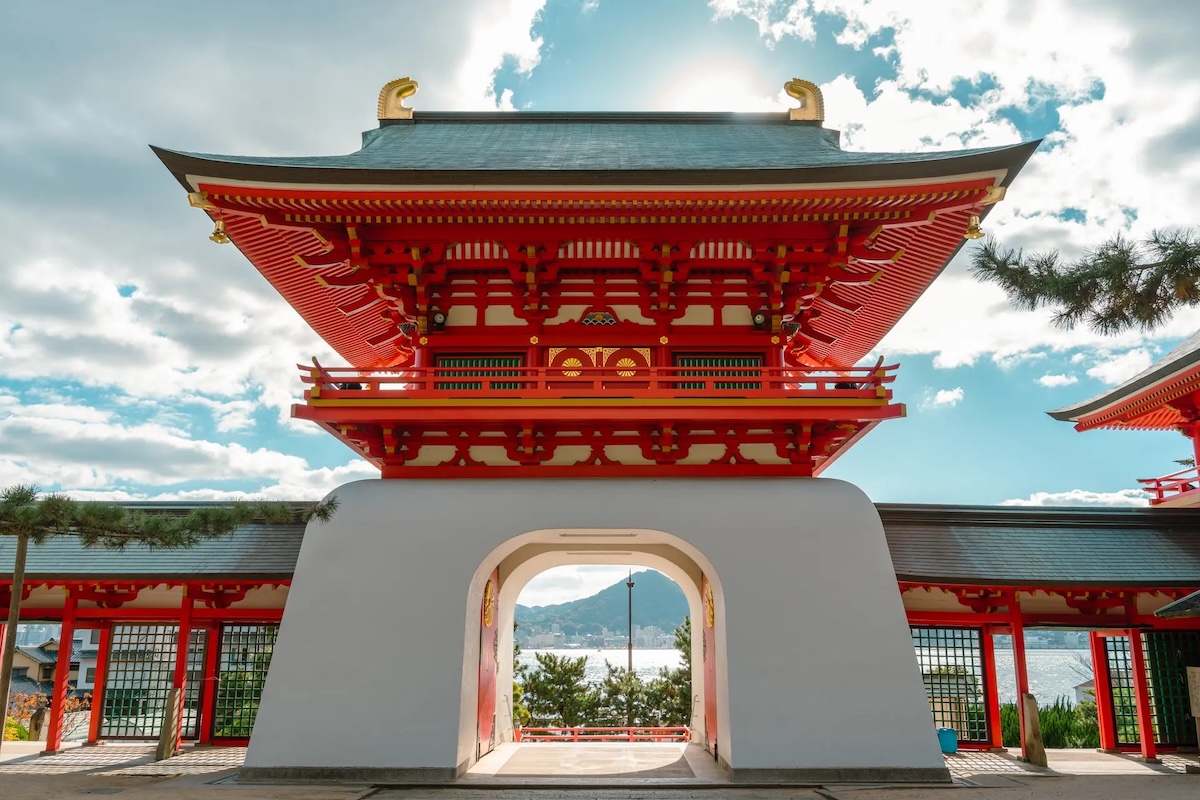
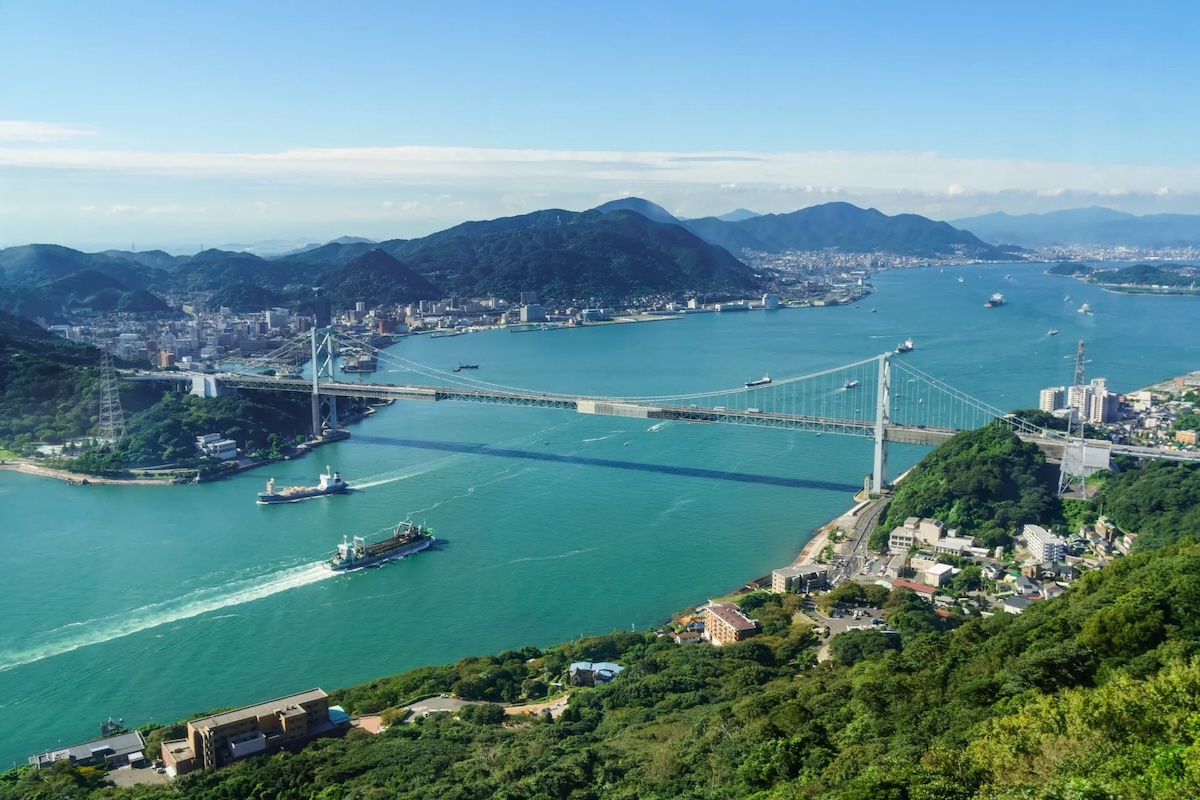
Sailing through the Kanmon Strait is challenging with strong currents and an S-shaped bend. One of the world’s busiest shipping lanes, the strait cuts a dramatic 38 km (24 mi) channel, narrowing to 700 m (0.4 mi) at its tightest point. The graceful Kanmon Bridge, a 1,068-m (3,504-ft) suspension bridge, spans the waterway between Honshu and Kyushu. Shimonoseki overlooks the strait from Honshu, while Moji district stands watch from Kyushu.
Karatsu
A castle town on the northern coast of Kyushu, where a 16th-century fortress sits on a pine-covered promontory above the bay. Karatsu is one of Japan’s principal centres of ceramic production — Karatsu ware has supplied tea ceremony vessels since the late Muromachi period, and working kilns still operate on the town’s outskirts. The beach of Niji-no-Matsubara, a coastal pine forest stretching several kilometres along the shore, has been considered one of Japan’s three most scenic pine groves for centuries
Busan is a port city with beaches, hills, and a busy harbour energy. It blends memorial sites and modern neighbourhoods with markets that still feel local and direct. Compared to Japan’s smaller ports, it is louder, bigger, and more urban
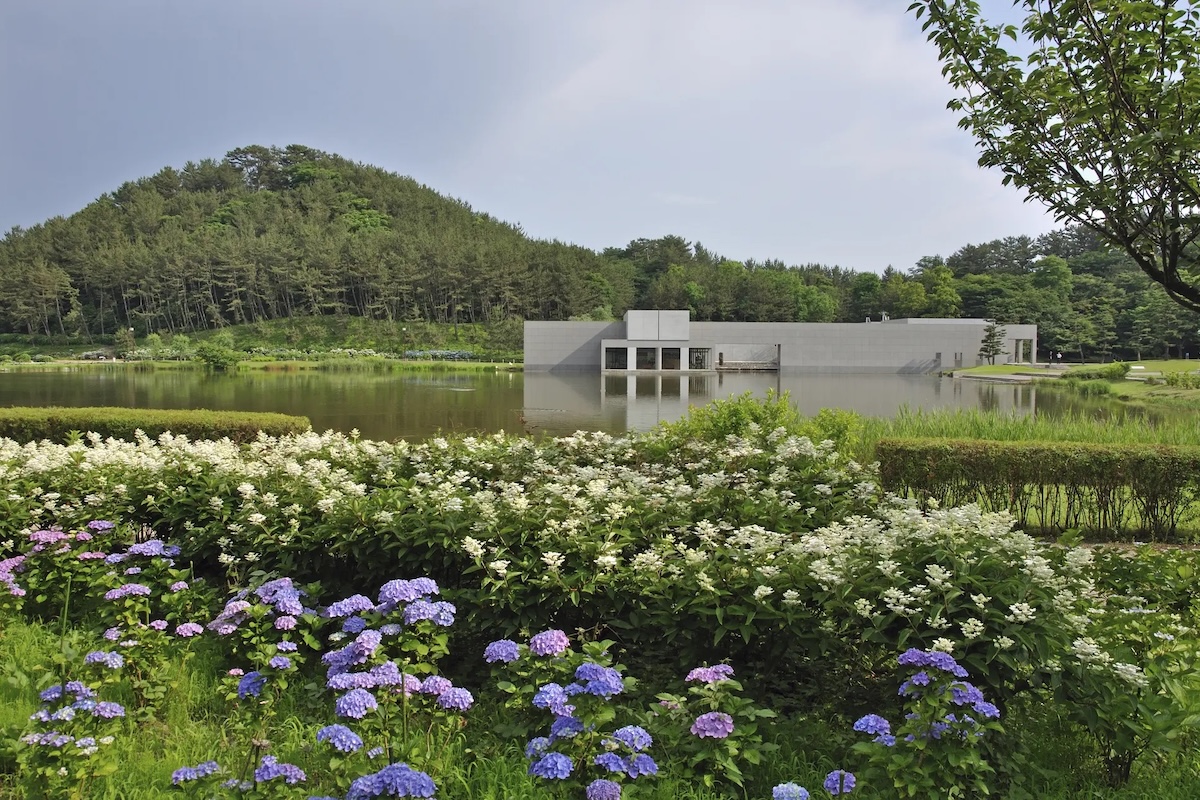
Sakaiminato has the feel of a working coastal town, shaped by seafood, folklore, and a slower pace. Nearby landscapes shift quickly from shoreline to forested mountains, with gardens and museum spaces that match the region’s quiet aesthetic. It is a softer, more intimate stop after Busan
Ine
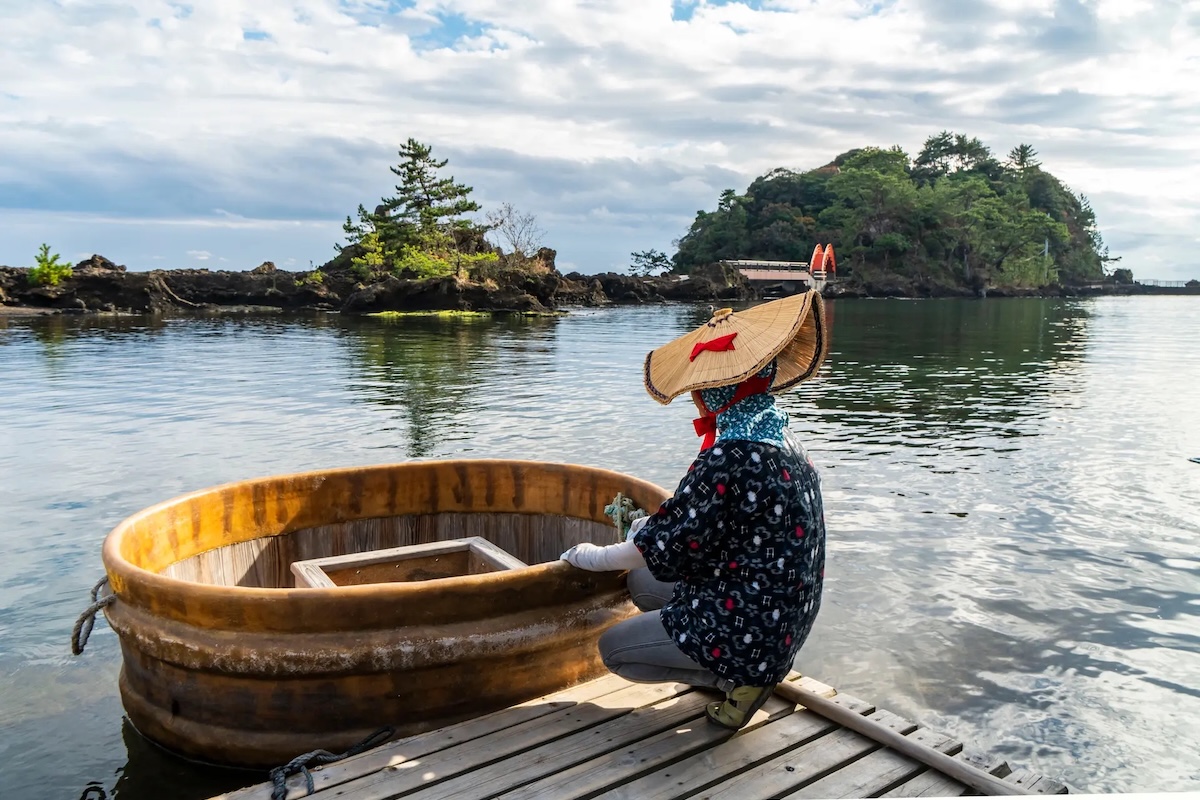
A fishing village on the northern coast of the Tango Peninsula, where around 230 funaya — traditional boathouses built directly over the water — line the inner shore of a near-circular bay. Residents moor their boats on the ground floor and live above. The village has changed little in two centuries and carries national preservation status. Approached from the sea, the funaya present an unbroken wooden facade at the waterline — one of the most distinctive streetscapes in Japan
Maizuru carries naval history and a clear link to the Meiji era, with brick warehouses and a harbour built for strategy. The wider region opens into classic Kyoto area scenery, where refined culture, temples, and historic districts are within reach. It is a day that balances port history with inland elegance
Wajima, a port town on the northern Noto Peninsula, is famed for its Wajima-nuri lacquerware, which is renowned for its durability and displayed at the Museum of Lacquer Art. The thousand-year-old daily Asaichi (Morning) Market is the primary hub, buzzing with locals selling fresh seafood, produce and the distinctive lacquerware. Nearby, Kiriko Hall displays huge illuminated festival floats, some 15 metres tall, used in summer celebrations
Sado feels separate from the mainland, with rugged coasts, small harbours, and a strong folk identity. The island is known for traditional arts and seafaring stories, with villages that still look and feel preserved. It is one of the most distinctive cultural stops on the route
Sakata grew rich through trade, and you can still sense that merchant past in its streets and historic buildings. It has a calm, northern mood, with river and coastal light and a feeling of space. The city is grounded, practical, and quietly proud
The city of Hakodate in Hokkaido is Japan’s northernmost island and is well-known for its seafood, for sale daily at the morning market. Mount Hakodate, reached by gondola, watches over the bustling city. While the area is rich in hot springs, it is best known for the famous snow monkeys who bathe in the hot springs of Yunokawa Onsen at the Hakodate City Tropical Botanical Garden
An important port on Hokkaido, Japan’s northernmost island, Otaru retains original architecture and a strong sense of place. Restored warehouses along its canal, lined with Victorian street lamps, now house restaurants and small boutiques selling sake, music boxes, and renowned Otaru glass. The town’s trading story is rooted in herring, with traces still visible from Hokkaido’s first railway line terminal to the Herring Mansion on the outskirts, once owned by wealthy herring fishermen
This expedition includes:
This expedition excludes: