Chart the icy waters of Spitsbergen, exploring spectacular fjords and glaciers in Hornsund, a world of imposing sea cliffs and Arctic history. With seas rich in seals and whales, there are chances for spotting polar bears throughout. Before reaching Tromsø, a visit to remote Bear Island awaits.
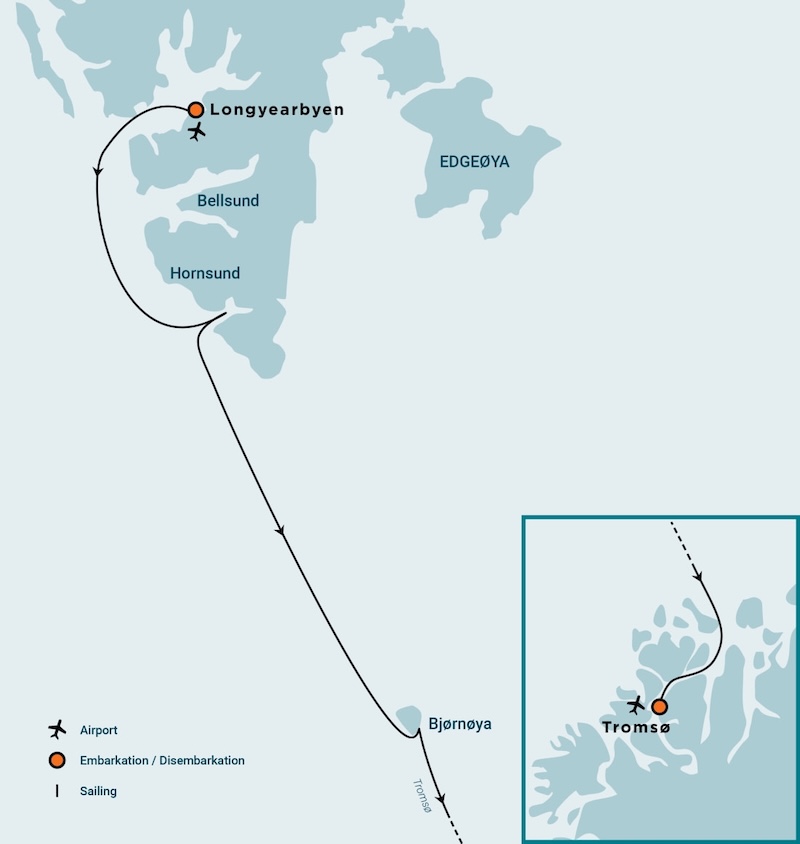
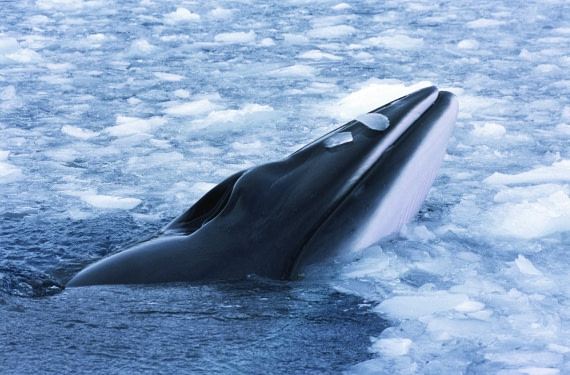
You touch down in Longyearbyen, the administrative center of Spitsbergen, the largest island of the Svalbard archipelago. Enjoy strolling around this former mining town, whose parish church and Svalbard Museum are fascinating attractions. Though the countryside appears stark, more than a hundred plant species have been recorded here. In the early evening, the ship sails out of Isfjorden, where we might spot the first minke whale of the voyage.
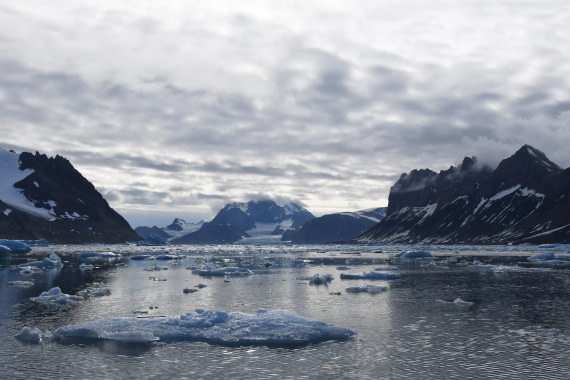
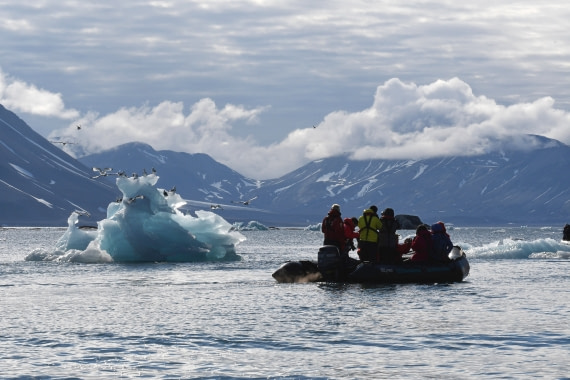
We start the day by quietly cruising the side fjords of the spectacular Hornsund area in southern Spitsbergen, enjoying the scenery of towering mountain peaks. The mountain of Hornsundtind rises to 1,431 meters (4,695 feet), while the peak of Bautaen testifies to why early Dutch explorers gave this island the name Spitsbergen, meaning “pointed mountains.” There are 14 magnificent glaciers in the area, and we have a chance of encountering seals and polar bears. The bird cliffs are now mostly quiet, with many species having departed aside from some first-year fulmars.
We arrive at the southeastern end of Bear Island, an excellent place for viewing the high cliff faces and “Perleporten.”
Northward, in Kvalrossbukta, the opportunity to land and visit the remains of a whaling station from early in the previous century should present itself. We might also land in a shallow valley, such as Rendalen.
Early in the morning, we arrived at the southeastern end of Bear Island. We can expect to see gannets and fulmars here. It is a good time to see migratory Arctic birds moving south. We will sail northeast by Sörhamna, where all breeding ledges are deserted, to Revdalen, where we land and may still encounter great skuas, large seabirds, known to be fiercely territorial. From there, we may climb some way up to the bird mountain at the coast for great views.
In Kvalrossbukta, we will land at the remains of a whaling station from the early 19th century. As we continue a little north along the (usually calm) east side of Bear Island, we will look for other good landing spots. Depending on the weather, we may also approach Bear Island from the northeast and sail south along the east coast. Late afternoon, we depart for Norway.
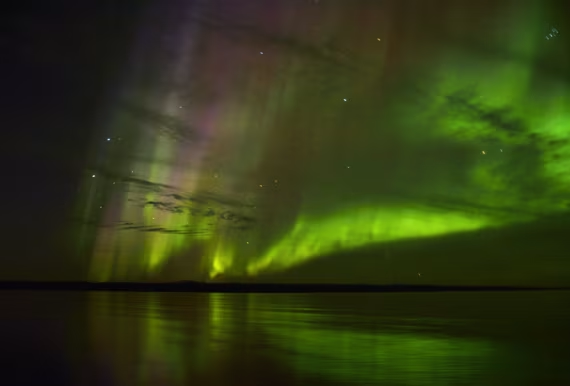
Sailing southward, we are likely to see whales in the surrounding sea, and when night falls again, we have a good chance to see the Aurora Borealis in the skies above.
Tromsø, also known as the gate to the Arctic, has been an important town from where Arctic expeditions set out to the north for centuries. From here, one can fly to Oslo and beyond.
Please note: This itinerary is meant to serve as a general guide. Plans may change along the way, depending on weather, sea conditions, or choices made by the expedition leader and team to give you the safest and most rewarding experience.
Included in this voyage
Excluded from this voyage