You have decided the Galapagos is next on your list. That is the easy part. Then you start researching. And suddenly you are drowning in options. Dozens of vessels. Different sizes. Different prices. Different itineraries. Every website claims to have the “best” ship, but nobody actually explains how to choose. Here is the honest truth that most booking sites will not tell you: the size of the ship determines almost everything about your trip. Where you sleep. What you see. How close you get to the wildlife. Who you share dinner with. Even how much you feel the ocean at night.
Let us break it down. No fluff. No hidden agenda. Just the real differences between small ships and large ships in the Galapagos, written by a team that has personally sailed both.
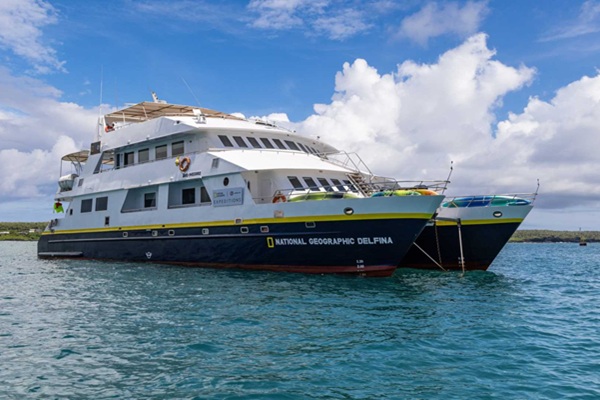
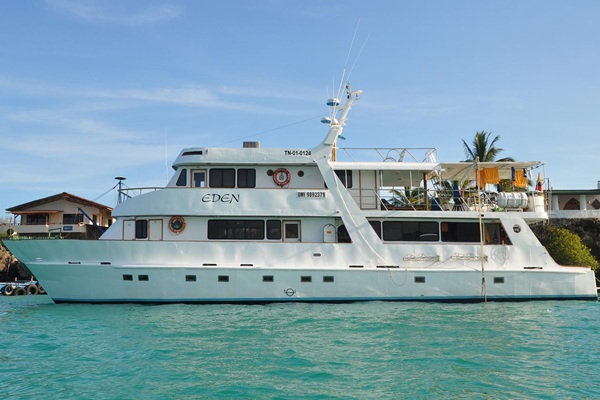
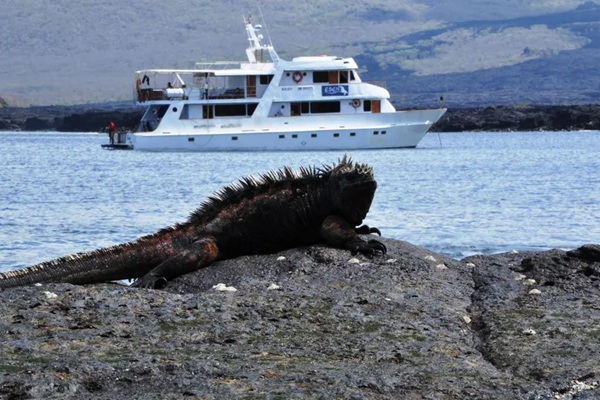
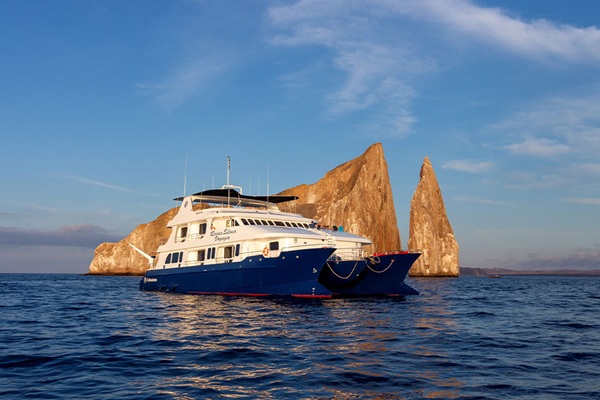
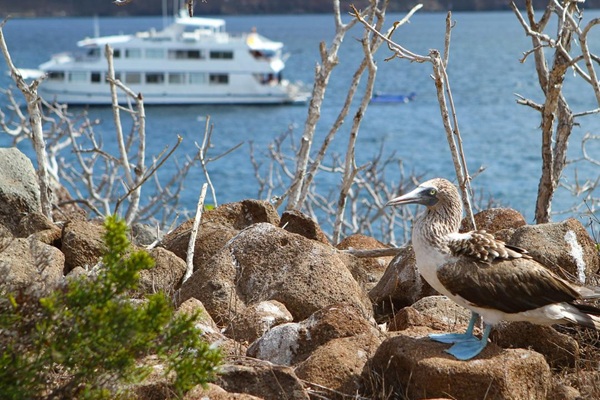
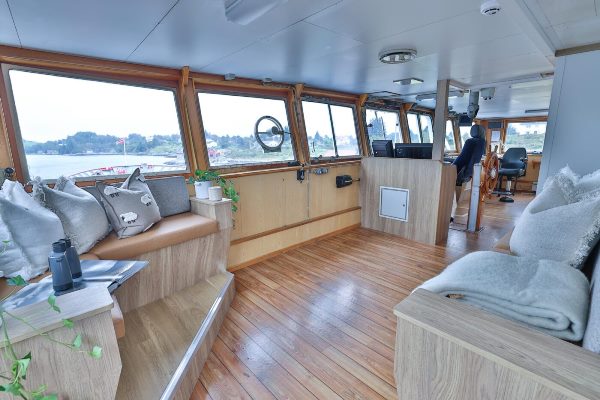
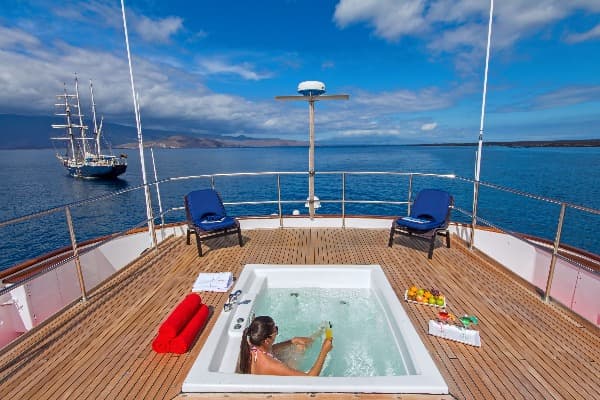
The One Sentence Difference
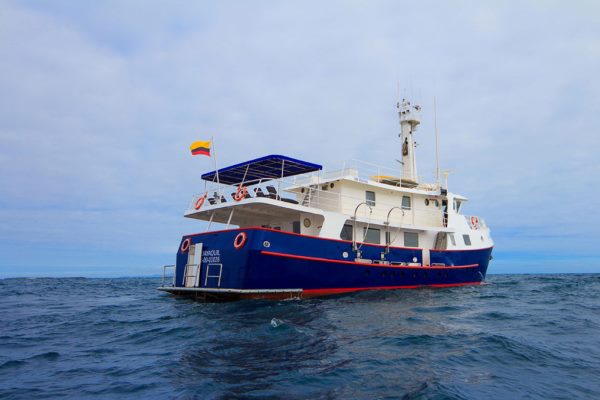
Small ships trade luxury for access. They go where larger vessels cannot fit. You get closer to the wildlife, and you feel the rhythm of the ocean beneath you. Large ships trade intimacy for stability and amenities. You get more cabin space, more dining options, and significantly less motion sickness. But you lose access to the most
remote and protected landing sites. Neither is better. They are simply different trips for different kinds of travelers.
What You Gain on a Small Ship
Small ships typically carry between sixteen and forty guests. At this scale, the experience becomes intensely personal. When you land on an island, your entire group goes ashore together. There is no waiting in
rotation. No second-class time slots. You step off the zodiac and immediately begin your wildlife encounter. That extra hour on the island, without rushing, makes a genuine difference for photographers and naturalists.
The itinerary itself is more flexible on a small ship. The captain can change routes based on wildlife sightings or weather conditions. If someone spots a pod of orcas or a rare bird sighting, the ship can pivot. Large ships cannot do this. Their routes are fixed weeks in advance. You will also know everyone by name by the second day. The crew, the naturalist guides, your fellow passengers. Meals feel like dinner with friends rather than a crowded restaurant. For solo travelers and couples seeking genuine connection, this atmosphere is irreplaceable. There is a practical advantage as well. Small ships can access more than ninety percent of the official Galapagos visitor sites. Many of the most spectacular landing zones—remote beaches, hidden coves, fragile bird colonies—are completely off limits to larger vessels. If you want to see the Galapagos that postcards are made of, a small ship is often the only way.
What You Gain on a Large Ship
Large ships, typically carrying between fifty and one hundred guests, solve problems that small ships cannot.
The most obvious is motion sickness. The Galapagos is not a calm bathtub. There are channels between islands where the Pacific swell rolls through. A larger, heavier ship with stabilizers moves dramatically less than a small yacht. For travelers who are prone to seasickness, or for multi-generational families with elderly members, this is not a luxury. It is a necessity. Space is another clear difference. Cabins on larger ships come with real closets, larger bathrooms, and almost always floor-to-ceiling windows or private balconies. Common areas include multiple lounges, a gym, a gift shop, and often a jacuzzi or small spa. You can find privacy when you want it. You are not forced into constant social interaction. Dining is more varied as well. Large ships typically offer multiple entree choices, dedicated dietary accommodations, and more formal service. For a milestone celebration, an
anniversary, a birthday, a honeymoon, this level of comfort can be exactly what you are looking for. Large ships also handle logistics more smoothly for certain groups. If you are traveling with very young children or anyone with mobility limitations, the stability, elevators, and wider corridors make a real difference. The crew can accommodate needs that a small ship simply cannot.
The Trade-Off You Cannot Ignore
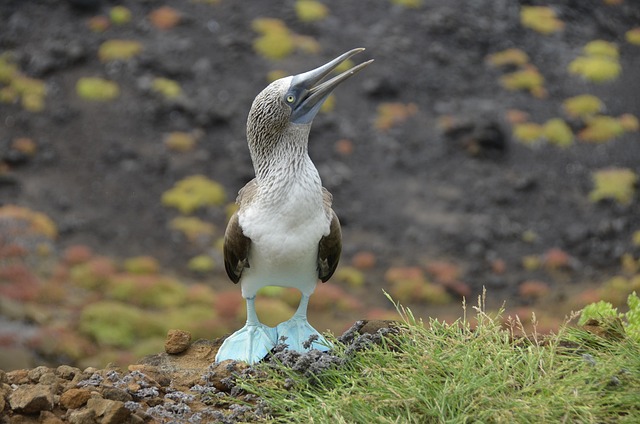
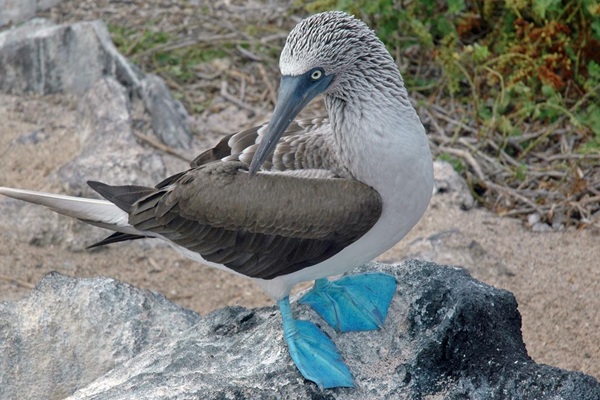
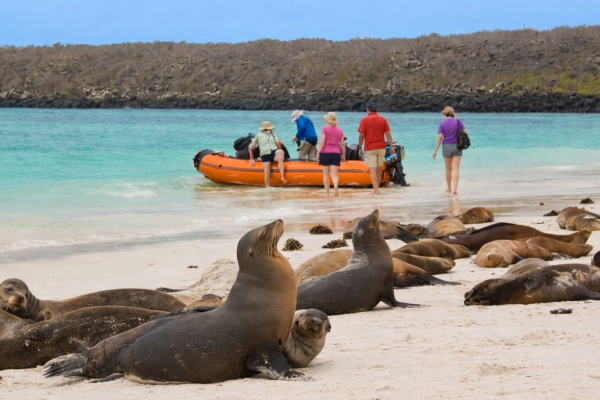
Here is what no large ship brochure will tell you: you will miss some of the best landing sites. The Galapagos National Park strictly limits which vessels can visit which sites. Many of the most extraordinary locations where you can walk within feet of nesting blue-footed boobies or swim with sea lions in crystal clear coves are reserved exclusively for ships under forty guests. It is not a suggestion. It is a regulation. On a large ship, you will also experience landing rotations. Instead of everyone going ashore at once, passengers are divided into groups. One group goes at eight in the morning. Another waits until nine-thirty. By the time your group lands, the wildlife may have moved, the light may have changed, or the beach may feel crowded. None of this makes large ships a bad choice. But it is an honest trade-off. Comfort and stability come at the cost of access and intimacy.
The Middle Ground That Most Travelers Overlook
Between the smallest yachts and the largest cruise ships, there is a sweet spot that many travelers never consider.
Vessels carrying between forty and fifty guests offer the best of both worlds. They are small enough to access almost all visitor sites, including most of the restricted ones. Yet they are large enough to include genuine amenities, reasonable stability, and real cabin space. For the majority of couples and families, this mid-range category is the right answer. You are not crammed into a tiny cabin. You are not waiting in landing rotations. You get wildlife access and comfort in roughly equal measure. This is the category we recommend most often to first-time Galapagos travelers who are unsure what they want. It is a safe bet that rarely disappoints.
How to Actually Decide
Forget the marketing brochures. Forget the glossy videos. Answer these three questions
honestly, and you will know which ship size is right for you.
First, who is traveling with you? If you are going solo, as a couple, or with a group of adults, a small ship will likely delight you. If you are bringing elderly parents or very young children, the stability of a larger vessel becomes much more important.
Second, what is your number one priority? If it is wildlife photography, remote landing sites, and intimate guiding, choose small. If it is cabin space, dining variety, and not feeling the ocean swell, choose large.
Third, how do you feel about other people? Small ships mean you cannot escape the group. You will talk to everyone. For some travelers, that is a feature. For others, it is a drawback. Large ships allow you to be social when you want and anonymous when you do not.
We Have Sailed Both. Repeatedly.
At Antarctica Travels, we do not sell trips we have not personally experienced. Our team has sailed on vessels of every size in the Galapagos, from the smallest yachts to the largest permitted cruise ships. We know which ships match which personalities. We know which routes work for which priorities. We are also not here to upsell you. Our business was built on honesty in Ushuaia, helping last-minute Antarctic travelers find the right voyage without pressure. We bring that same approach to the Galapagos.
Tell us about your group, your travel style, and what matters most to you. We will recommend the right ship size and then the specific vessel within our fleet that fits. No hard sell. No confusion. Just straight advice from people who have been there.